
Creating an original anime character is more than just drawing a stylish figure with large eyes and vibrant hair. It’s about building a believable persona that resonates with audiences, fits within a narrative world, and stands out visually and emotionally. Whether you're a writer, artist, or hobbyist, developing a compelling anime character involves deliberate planning across design, personality, backstory, and function in a story. This guide walks you through the full creative process—from concept to completion—with actionable steps, expert insights, and practical tools to help you craft a memorable character from the ground up.
1. Define the Character’s Core Concept
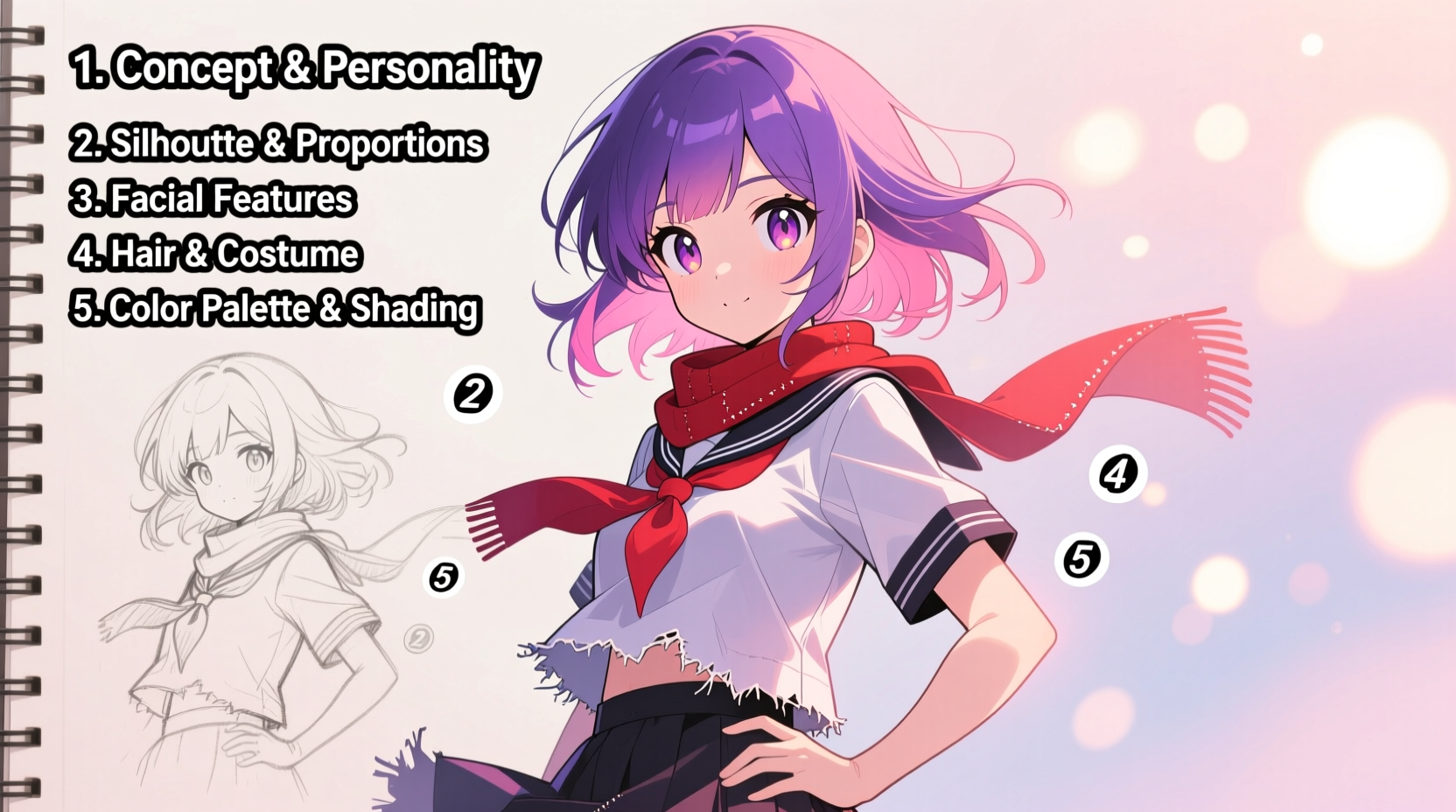
Every great anime character starts with a central idea—an archetype, role, or unique trait that defines who they are at their core. Ask yourself: What purpose does this character serve? Are they a heroic protagonist, a conflicted anti-hero, a comic relief sidekick, or a tragic villain? Begin by identifying a foundational concept that will shape all other decisions.
Common archetypes include:
- The Chosen One – destined for greatness
- The Lone Wolf – isolated but powerful
- The Genius Underdog – underestimated but brilliant
- The Fallen Hero – once noble, now broken
- The Loyal Friend – supportive and dependable
This concept doesn’t need to be original—many beloved characters follow familiar patterns—but it should be meaningful to your story. Use it as a compass when making later choices about appearance, behavior, and growth.
2. Develop Personality and Psychology
A character’s personality determines how they react to challenges, interact with others, and evolve over time. To make them feel authentic, go beyond surface traits like “kind” or “angry.” Explore motivations, fears, contradictions, and emotional triggers.
Ask these questions:
- What do they want most in life?
- What are they afraid of losing?
- How do they handle failure?
- Do they trust others easily?
- What makes them laugh—or snap?
Consider using the Big Five personality traits (openness, conscientiousness, extraversion, agreeableness, neuroticism) as a framework. For example, a high-neuroticism character might be anxious and reactive, while a highly open one could be imaginative and impulsive.
Give them flaws. Perfect characters are forgettable. A brave hero who panics in enclosed spaces, or a calm mentor who harbors unresolved guilt—these internal conflicts create depth and opportunities for growth.
“Characters aren’t defined by their powers, but by their choices under pressure.” — Naoko Takeuchi, creator of *Sailor Moon*
Mini Case Study: The Reluctant Leader
Imagine a boy named Ren, chosen to lead a resistance against an oppressive regime. On paper, he has leadership potential—intelligent, empathetic, strategic. But internally, he doubts himself. He lost his family in an early attack and fears failing others the way he believes he failed them. This fear makes him hesitant to give orders, even when action is urgent. Over time, through mentorship and loss, he learns that leadership isn’t about perfection—it’s about responsibility. His arc transforms him from a reluctant figurehead into a decisive, compassionate commander. This blend of strength and vulnerability makes him compelling.
3. Craft a Meaningful Backstory
A strong backstory explains why a character is the way they are. It provides context for their skills, worldview, and emotional wounds. Avoid dumping exposition; instead, reveal key moments gradually through dialogue, flashbacks, or subtle cues in behavior.
Focus on pivotal events:
- Childhood trauma or formative experience
- First encounter with their current goal or enemy
- A betrayal, loss, or moment of failure
- An event that gave them their unique ability or motivation
The backstory should directly influence present actions. For instance, a character abandoned as a child may struggle with trust, pushing allies away even when help is offered.
4. Design the Visual Identity
Anime characters are instantly recognizable not just by personality, but by appearance. Visual design communicates identity before a word is spoken. Approach this stage with intention—every element should reflect who the character is inside.
Hair, Eyes, and Facial Features
In anime, exaggerated features carry symbolic meaning:
- Spiky hair often signals energy, aggression, or confidence.
- Long, flowing hair may suggest grace, mystery, or emotional depth.
- Bright eye colors (pink, gold, teal) denote uniqueness or supernatural traits.
- Glasses commonly represent intelligence or seriousness.
Use color psychology: red for passion or anger, blue for calm or sadness, purple for mystery or royalty.
Clothing and Accessories
Outfits should match the character’s world, role, and personality. A schoolgirl uniform suggests youth and structure; a tattered cloak implies hardship or secrecy. Accessories like gloves, masks, or weapons can hint at hidden abilities or past trauma.
| Design Element | Symbolic Meaning | Example Characters |
|---|---|---|
| Asymmetrical haircut | Unconventional, rebellious | Edward Elric (*Fullmetal Alchemist*) |
| Monochrome outfit | Seriousness, detachment | Light Yagami (*Death Note*) |
| Animal ears/tail | Fantasy race or playful nature | Natsu Dragneel (*Fairy Tail*) |
| Cracked glasses | Inner fracture or turning point | Levi Ackerman (*Attack on Titan*) |
Sketch multiple versions. Try different hairstyles, outfits, and expressions. Focus on silhouettes—can you recognize the character from their outline alone? Strong designs are readable even at small sizes.
5. Establish Role and Function in the Story
No character exists in isolation. Consider how your creation interacts with the world and other characters. What role do they play in the larger narrative?
Possible functions include:
- Protagonist – drives the main plot forward
- Deuteragonist – second most important, often a close ally
- Antagonist – opposes the hero, creates conflict
- Mentor – guides the hero with wisdom or training
- Foil – contrasts the protagonist to highlight their traits
A foil character, for example, might share the protagonist’s goal but pursue it through opposite methods—one seeks justice through law, the other through vengeance. This contrast deepens both characters.
Define their relationships:
- Who do they admire? Who frustrates them?
- Do they have a rival? A confidant?
- Are they part of a team, or do they operate alone?
Map out at least three key interactions they’ll have in the story. These don’t need to be detailed scenes yet—just concepts showing how they influence and are influenced by others.
“The best characters aren’t just drawn well—they’re written into motion, reacting, changing, surprising us.” — Hayao Miyazaki, Studio Ghibli co-founder
Step-by-Step Guide to Creating Your Anime Character
Follow this structured timeline to bring your character to life in order:
- Week 1: Concept & Archetype
Create a one-sentence summary: “A shy healer forced to become a warrior after her village is destroyed.” Identify their core role and central conflict. - Week 2: Personality Deep Dive
Answer 10 questions about their fears, desires, and habits. Write a short monologue in their voice to test consistency. - Week 3: Backstory Development
List 3–5 major life events. Connect each to a present-day trait or behavior. - Week 4: Visual Design
Sketch 5–10 variations of their face, outfit, and stance. Choose one final version and refine details. - Week 5: Integration
Write a short scene (200–300 words) where they interact with another character. Observe how their personality and design come together in action.
Checklist: Did You Create a Complete Character?
Before finalizing your creation, verify these elements are in place:
- ✅ Clear archetype or narrative role
- ✅ Distinct personality with strengths and flaws
- ✅ At least three defining backstory moments
- ✅ Visually coherent design with symbolic elements
- ✅ Defined relationships with other characters
- ✅ Unique voice or mannerism (e.g., catchphrase, gesture)
- ✅ Potential for growth or change during the story
If all boxes are checked, your character is ready for animation, storytelling, or portfolio display.
Common Pitfalls to Avoid
Even experienced creators fall into traps that weaken character impact. Watch for these:
| Pitfall | Why It Hurts the Character | How to Fix It |
|---|---|---|
| Overpowered abilities | Removes tension and stakes | Add clear limitations or costs to powers |
| Generic appearance | Forgettable in a crowded genre | Add one striking visual feature (e.g., mismatched eyes) |
| Perfect morality | Lacks depth and relatability | Give them a moral blind spot or selfish impulse |
| Backstory overload | Slows pacing and distracts | Reveal history gradually through action |
FAQ
Can I combine multiple anime tropes in one character?
Yes—but balance is key. Combining tropes (e.g., the “tsundere genius”) can create freshness if handled with nuance. Avoid piling on too many clichés without giving them a personal twist or emotional basis.
Do I need to be a skilled artist to create an anime character?
Not necessarily. Writers and designers often collaborate. If drawing isn’t your strength, focus on rich descriptions, personality, and story integration. Many successful characters were conceived in text first.
How do I make my character stand out in a popular genre?
Focus on authenticity. Instead of chasing trends, ask: What emotion or truth do I want this character to express? A genuinely felt vulnerability, humor, or philosophy will resonate more than flashy aesthetics alone.
Conclusion: Bring Your Vision to Life
Creating an anime character from scratch is both an artistic and psychological journey. It requires imagination, empathy, and discipline. By grounding your design in purpose, personality, and narrative function, you move beyond imitation into original creation. The most enduring characters aren’t just visually striking—they feel alive because their inner world matches their outer form.
Your character doesn’t need to debut in a major studio production to matter. Share them in fan communities, use them in short stories, or develop them into webcomics. Every detail you refine brings them closer to reality.




 浙公网安备
33010002000092号
浙公网安备
33010002000092号 浙B2-20120091-4
Comments
No comments yet. Why don't you start the discussion?