
Grilling a steak on a propane grill doesn’t have to be a gamble between overcooked disappointment and underwhelming flavor. With the right approach, you can achieve restaurant-quality results—crisp on the outside, tender and perfectly cooked within—every time you fire up the grill. The key lies in understanding heat control, timing, and technique. Whether you're cooking a thick ribeye or a lean filet mignon, mastering these fundamentals will elevate your outdoor cooking game.
Choose the Right Cut and Prep It Properly
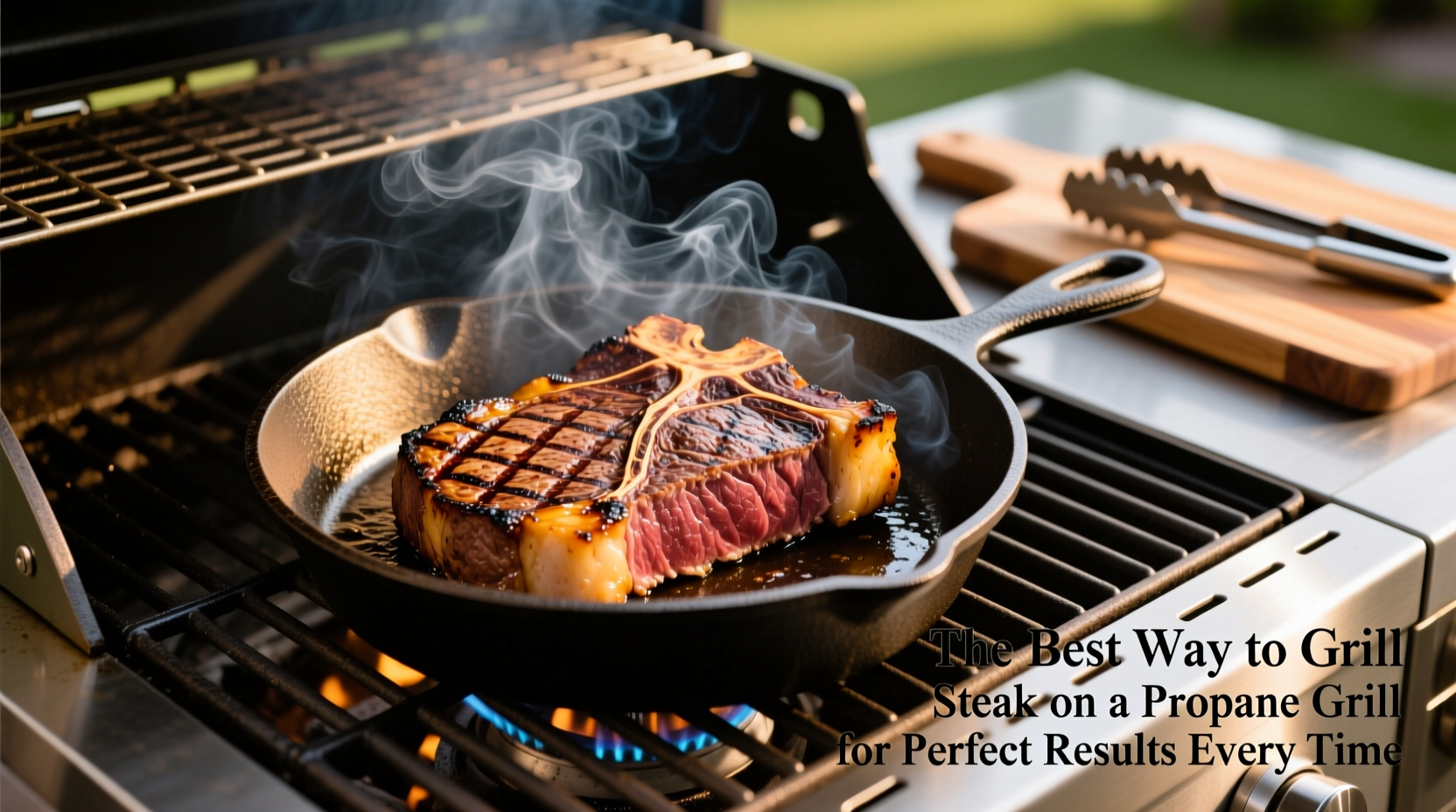
The foundation of a great grilled steak starts long before it hits the grates. Selecting a well-marbled cut like ribeye, New York strip, or T-bone ensures juiciness and rich flavor. For leaner cuts such as sirloin or filet mignon, extra care is needed to prevent dryness. Aim for steaks at least 1 to 1.5 inches thick—they hold up better to high heat and allow for a good sear without overcooking the center.
Before grilling, let the steak come to room temperature by removing it from the refrigerator 30 to 60 minutes ahead. This promotes even cooking. Pat the surface dry with paper towels; moisture is the enemy of a good sear. Season generously with coarse kosher salt and freshly ground black pepper. Some prefer a light coat of high-smoke-point oil (like canola or avocado), but it's optional if your grill grates are clean and well-preheated.
Preheat and Set Up a Two-Zone Fire
One of the most overlooked steps in propane grilling is proper preheating. Turn all burners to high and close the lid for 10–15 minutes until the grill reaches 450°F to 500°F. This ensures a strong sear and prevents sticking.
Next, create a two-zone cooking setup. Turn off one burner (or set it to low) to create an indirect heat zone, while keeping the other side on high for direct searing. This dual setup gives you control: sear over direct heat, then move to indirect to finish cooking without burning the exterior.
| Zone | Temperature Range | Purpose |
|---|---|---|
| Direct Heat | 450°F – 500°F | Searing and grill marks |
| Indirect Heat | 300°F – 350°F | Gentle finishing for even doneness |
Step-by-Step Grilling Process
- Preheat the grill on high with the lid closed for 10–15 minutes.
- Set up two zones: Leave one side on high (direct), turn the other to low or off (indirect).
- Season the steak and place it on the hottest part of the grill.
- Sear for 3–4 minutes per side to develop a deep brown crust. Avoid moving it too soon—let it release naturally.
- Move to indirect heat after searing. Close the lid and cook until desired internal temperature is reached.
- Use a meat thermometer for accuracy. Remove steak 5°F below target temp—it will rise during rest.
- Rest the steak for 5–10 minutes on a warm plate or cutting board, loosely tented with foil.
This method works exceptionally well for medium-rare to medium doneness. For well-done steaks, extend the indirect cooking time, but know that lean cuts may lose tenderness.
Internal Temperatures and Doneness Guide
Guessing doneness by touch is unreliable. A digital instant-read thermometer is essential for consistent results. Here’s a quick reference:
| Doneness | Internal Temperature (°F) | Description |
|---|---|---|
| Rare | 120–125°F | Very red, cool center |
| Medium Rare | 130–135°F | Warm red center, ideal for most cuts |
| Medium | 140–145°F | Pink center, slightly firm |
| Medium Well | 150–155°F | Slightly pink, firmer texture |
| Well Done | 160°F+ | Little to no pink, often drier |
“Temperature control is everything. Pulling a steak at 130°F and letting it rest under foil brings it to 135°F—perfect medium-rare without overcooking.” — Chef Marcus Bell, Executive Grilling Consultant
Avoid Common Mistakes
Even experienced grillers fall into traps that compromise steak quality. Watch out for these pitfalls:
- Skipping the preheat: Cold grates lead to sticking and poor sear development.
- Over-flipping: Flip only once unless flare-ups occur. Constant turning interrupts crust formation.
- Not cleaning grates: Residue burns onto the steak and causes uneven cooking.
- Cutting too soon: Resting allows juices to redistribute. Cutting immediately releases them onto the plate.
- Using frozen steaks: Always thaw completely in the fridge before grilling for even results.
Real Example: From Overcooked to Perfect
Tom, a home cook in Colorado, used to struggle with dry, charred steaks despite using expensive cuts. He’d crank the grill to max and leave the steak on the same spot the whole time. After learning about two-zone grilling, he adjusted his method: preheated properly, seared each side for 3.5 minutes, then moved the steak to indirect heat. Using a thermometer, he pulled it at 128°F for medium-rare. After resting, the result was evenly pink, juicy, and packed with flavor. His family declared it the best steak they’d ever had at home.
Checklist for Perfect Propane Grill Steak
- ✔ Choose a 1–1.5 inch thick, well-marbled cut
- ✔ Bring steak to room temperature before grilling
- ✔ Preheat grill to 450–500°F with lid closed
- ✔ Create a two-zone setup (direct + indirect heat)
- ✔ Clean and oil grates before placing steak
- ✔ Sear 3–4 minutes per side over direct heat
- ✔ Move to indirect heat and monitor internal temp
- ✔ Remove 5°F below target doneness
- ✔ Rest 5–10 minutes before slicing
- ✔ Use a reliable meat thermometer
Frequently Asked Questions
Can I grill a thin steak (under 1 inch) using this method?
Yes, but adjust the timing. Thin steaks cook quickly—sear for 2–3 minutes per side and skip the indirect phase unless they’re browning too fast. Monitor closely to avoid overcooking.
Should I marinate my steak before grilling?
It depends on the cut. Marinating adds flavor and tenderness to leaner steaks like flank or skirt. However, premium cuts like ribeye or filet benefit more from simple seasoning to highlight natural beefiness.
Why did my steak stick to the grill?
Sticking usually happens when the grill isn’t hot enough or the grates aren’t clean. Always preheat thoroughly and scrub grates with a brass brush before cooking. A light oil coating on the steak or grates can also help.
Final Thoughts
Grilling the perfect steak on a propane grill isn’t magic—it’s method. By controlling heat zones, respecting internal temperatures, and allowing proper rest, you transform a simple backyard meal into something exceptional. The consistency of propane makes it ideal for precision grilling, especially when combined with disciplined prep and timing. No more guesswork, no more dried-out centers. Just reliable, mouthwatering results, steak after steak.




 浙公网安备
33010002000092号
浙公网安备
33010002000092号 浙B2-20120091-4
Comments
No comments yet. Why don't you start the discussion?