
In an era where culinary innovation blurs the line between food science and art, a new condiment has quietly entered high-end kitchens and avant-garde dining spaces: transparent tomato ketchup. At first glance, it defies expectation—ketchup, by tradition, is thick, red, and opaque. But this clear version challenges convention, offering the familiar tang of tomato in a visually unexpected form. While not yet common in household pantries, transparent ketchup is gaining traction among chefs, mixologists, and food technologists for its aesthetic versatility and functional novelty. For home cooks intrigued by modern gastronomy or professionals seeking creative tools, understanding this product is more than curiosity—it’s a window into the future of flavor presentation.
Definition & Overview
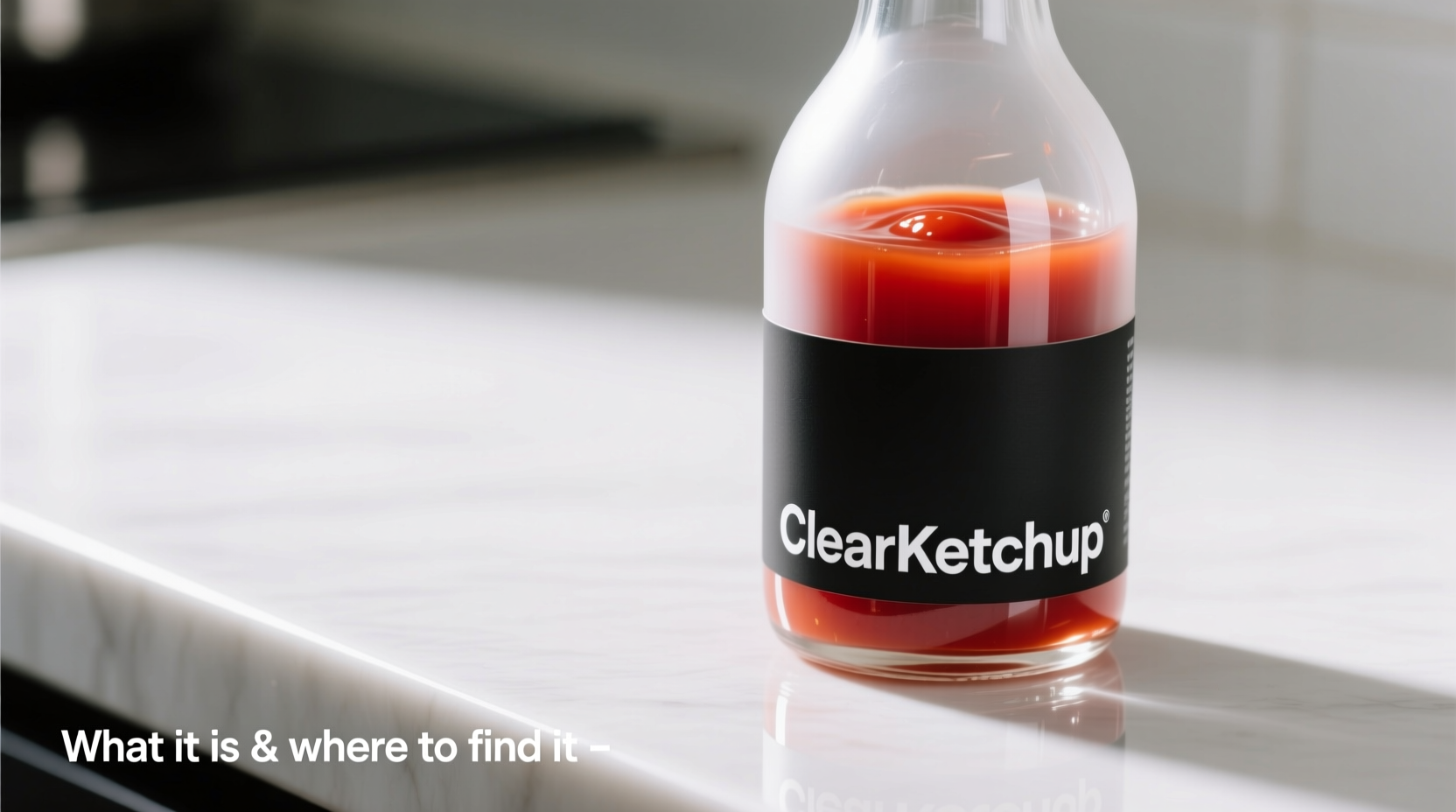
Transparent tomato ketchup is a clarified, colorless version of traditional tomato ketchup that retains the core flavor profile—sweet, tangy, slightly acidic, with umami depth—but removes pigments, pulp, and insoluble solids. Unlike conventional ketchup made from crushed tomatoes, vinegar, sugar, and spices, transparent ketchup undergoes a process of filtration and molecular refinement to achieve optical clarity while preserving taste.
The concept emerged from the techniques of modernist cuisine, particularly those popularized in the early 2000s by chefs like Ferran Adrià and Heston Blumenthal, who experimented with spherification, foams, and clarification. In this context, transparent ketchup is not a mass-market replacement but a precision ingredient used to surprise, enhance plating, or layer flavors without altering visual composition.
It belongs to a broader category known as “deconstructed” or “reimagined” condiments—products stripped down to their essential taste compounds and reassembled in novel forms. Though rare in supermarkets, it appears in specialty food labs, culinary supply catalogs, and experimental restaurants, particularly those specializing in molecular gastronomy or tasting-menu formats.
Key Characteristics
| Characteristic | Description |
|---|---|
| Flavor Profile | Balanced sweet-tart acidity with subtle umami; closely mirrors standard ketchup but without earthy or vegetal notes from pulp. |
| Aroma | Mild; lacks the strong cooked-tomato scent due to removal of volatile oils during processing. |
| Color & Form | Clear to pale amber liquid; resembles light syrup or filtered juice. |
| Texture | Lighter viscosity than traditional ketchup; pourable, similar to simple syrup or vinegar. |
| Culinary Function | Flavor enhancement without visual impact; ideal for glazing, drizzling, or mixing into clear preparations. |
| Shelf Life | 6–12 months unopened; refrigerate after opening. Longer than fresh ketchup due to low particulate matter and preservatives. |
| Heat Stability | Retains flavor under moderate heat but may lose clarity if boiled excessively. |
Practical Usage: How to Use Transparent Tomato Ketchup in Cooking
The primary advantage of transparent ketchup lies in its invisibility. Chefs use it when they want the taste of ketchup without introducing red coloration into a dish. This makes it especially valuable in applications where visual purity matters—such as clear consommés, gel-based amuse-bouches, or cocktail garnishes.
In professional kitchens, it's commonly applied in the following ways:
- Flavoring Clear Broths: A few drops can add depth to a chilled tomato water soup or a transparent gazpacho variant without clouding the liquid.
- Cocktail Enhancements: Used in savory cocktails like a \"see-through\" Bloody Mary, where the drink maintains a clean appearance while delivering familiar tang.
- Dessert Accents: Paired with fruit gels or sorbets in multi-sensory dishes, where the brain expects sweetness but encounters umami—a technique known as flavor misdirection.
- Glazes and Reductions: Applied to proteins or vegetables before finishing under a torch, creating a glossy sheen with concentrated flavor but no discoloration.
- Sauce Layering: Drizzled beneath foams or encapsulated pearls to deliver bursts of ketchup flavor in tasting menus.
For home cooks, practical entry points include using it in vinaigrettes for transparent salads (e.g., cucumber, jicama, or apple), or as a secret ingredient in clear barbecue sauces for grilled shrimp or chicken skewers.
TIP: Start with small amounts—transparent ketchup is often more concentrated than regular ketchup. Begin with ¼ teaspoon per serving and adjust to taste. Store in a tightly sealed container in the refrigerator to maintain clarity and prevent oxidation.
Variants & Types
While “transparent tomato ketchup” refers broadly to any clear ketchup derived from tomatoes, several variants exist based on production method and formulation:
- Fully Clarified Tomato Ketchup: Made by juicing ripe tomatoes, enzymatically breaking down pectin and proteins, then filtering through fine membranes or centrifuges. This yields a truly transparent liquid with minimal residue.
- Synthetic Flavor Replication: Some versions do not use real tomatoes at all but instead replicate the flavor using citric acid, monosodium glutamate (MSG), fructose, and natural aroma compounds. These are often labeled as “ketchup essence” or “flavor distillate.”
- Gelled or Setting Forms: Available as transparent sheets or powders that dissolve upon contact with moisture. Used in dehydrated snack coatings or instant flavor bombs.
- Low-Sugar / Keto Versions: Designed for dietary restrictions, these use erythritol or allulose instead of sucrose and maintain transparency through careful pH balancing.
Each type serves different purposes. The fully clarified version is preferred in fine dining for authenticity, while synthetic versions offer cost efficiency and longer shelf stability for commercial applications.
Comparison with Similar Ingredients
Transparent ketchup is often confused with other clear red or tomato-based liquids. Understanding the differences ensures proper usage and avoids culinary missteps.
| Ingredient | Transparent Ketchup | Tomato Water | White Balsamic Vinegar | Clear BBQ Sauce |
|---|---|---|---|---|
| Base Ingredient | Tomato (clarified) | Tomato (strained) | Grape must (white) | Apple cider, sugar, spices |
| Color | Clear to pale gold | Pale pink to amber | Light golden | Amber |
| Flavor | Ketchup-like (sweet-tangy) | Fresh tomato, grassy | Sweet-vinegary, mild | Smoky, sweet, tangy |
| Sugar Content | Moderate to high | Low | Moderate | High |
| Umami Level | High (due to glutamates) | Low to medium | Low | Medium |
| Best Use Case | Flavor without color | Hydration, freshness | Dressings, acidity | Grilling, dipping |
The key distinction is that only transparent ketchup delivers the complete sensory imprint of classic ketchup—its balance of sugar, salt, acid, and savory depth—without altering the dish’s appearance. Tomato water offers freshness but lacks sweetness; white balsamic provides acidity but no tomato character; and clear BBQ sauce, while similar in application, introduces smoke and molasses notes absent in ketchup.
Practical Tips & FAQs
Can I make transparent ketchup at home?
Yes, though it requires patience and equipment. Start by blending ripe tomatoes and straining through cheesecloth. Then treat the juice with gelatin or agar clarification: mix a small amount of bloomed gelatin into warm tomato juice, chill until set, then slowly reheat and filter through coffee filters or a Büchner funnel. Repeat until clear. Adjust sweetness and acidity to match standard ketchup (typically 25% sugar, 4% vinegar, salt, and spices). Note: homemade versions may have slight haze and shorter shelf life.
Does it taste exactly like regular ketchup?
Nearly, but not identically. The absence of pulp and cell wall compounds removes some body and earthiness. Many describe it as “cleaner” or “sharper,” with more immediate acid-sugar impact and less lingering richness. High-quality versions compensate with added glutamates or fermented tomato extracts.
Is it vegan or gluten-free?
Most commercial versions are both vegan and gluten-free, but always check labels. Some use animal-derived gelatin in clarification (though discarded afterward), which may concern strict vegans. Look for products labeled “vegan-clarified” or using silica-based filtration.
Where can I buy it?
Transparent tomato ketchup is not available in standard grocery stores. Sources include:
- Molecular gastronomy suppliers: Modernist Pantry, ChefSteps, Willpowder
- Specialty food labs: Minus Labs, Texture Kitchen Supply
- Online marketplaces: Amazon (search “clear ketchup” or “tomato essence”)
- High-end restaurant purveyors: Sysco’s Epicured line, Unilever Food Solutions (professional channels)
Prices range from $15 to $40 per 250ml, reflecting niche production and demand. Some brands offer sample sizes for testing.
How should I store it?
Keep unopened bottles in a cool, dark place. Once opened, refrigerate and use within 3–6 months. Avoid contamination by using clean utensils. If separation occurs, gently shake or stir—do not agitate vigorously, as this may introduce air bubbles that affect clarity.
What are good substitutes if I can’t find it?
If unavailable, consider:
- Reduced white balsamic + tomato paste (strained): Simmer white balsamic with a tiny amount of tomato paste, then filter. Adds sweetness and acidity but lacks full ketchup complexity.
- Tomato water + sugar + vinegar: Closer in base material but lighter in umami.
- Commercial “ketchup powder” rehydrated: Some brands dissolve into clear solutions and mimic flavor well.
PRO TIP: When substituting, add a pinch of MSG (0.1%) to boost umami and better approximate the mouthfeel of real ketchup. Combine with xanthan gum (a pinch) to slightly thicken without clouding.
“In modern plating, every drop counts—not just for taste, but for visual narrative. Transparent ketchup lets us evoke nostalgia without breaking the illusion of purity.” — Chef Lena Torres, Culinary Director at AURA Tasting Lab, San Francisco
Summary & Key Takeaways
Transparent tomato ketchup is not a gimmick but a specialized tool born from the intersection of food science and culinary artistry. It preserves the iconic flavor of ketchup—sweet, tangy, savory—while eliminating color and opacity, making it invaluable in contexts where appearance is paramount.
Its primary value lies in professional and experimental cooking: enhancing clear broths, elevating cocktail profiles, enabling flavor surprises in desserts, and contributing to refined plating techniques. Though not yet mainstream, it reflects a growing trend toward precision seasoning and multisensory dining experiences.
Home enthusiasts can explore it through DIY clarification or purchase from specialty suppliers. While more expensive and less accessible than traditional ketchup, its unique properties justify inclusion in advanced pantries or creative projects.
As food continues to evolve beyond tradition, ingredients like transparent ketchup challenge assumptions and expand possibilities. Whether used in a Michelin-starred amuse-bouche or a weekend cocktail experiment, it represents the quiet revolution happening in how we perceive—and experience—familiar flavors.
Ready to experiment? Start with a small bottle from a reputable supplier, pair it with neutral ingredients like cucumber, oyster mushrooms, or clear ice spheres, and document how the flavor lands without visual cues. You might discover a new dimension in your cooking.




 浙公网安备
33010002000092号
浙公网安备
33010002000092号 浙B2-20120091-4
Comments
No comments yet. Why don't you start the discussion?