
Bringing Spider-Man to life outside the pages of a comic or the frames of a film requires more than just enthusiasm—it demands precision, craftsmanship, and attention to detail. Whether you're aiming for a faithful recreation of Tom Holland’s MCU suit, the classic red-and-blue comic version, or a stylized variant like Miles Morales’, achieving a realistic Spider-Man cosplay means balancing authenticity with wearability. This guide breaks down every essential element: from selecting the right materials and mastering construction techniques to applying finishing touches that make your suit stand out at conventions or photo shoots.
Selecting the Right Materials for Authenticity and Comfort
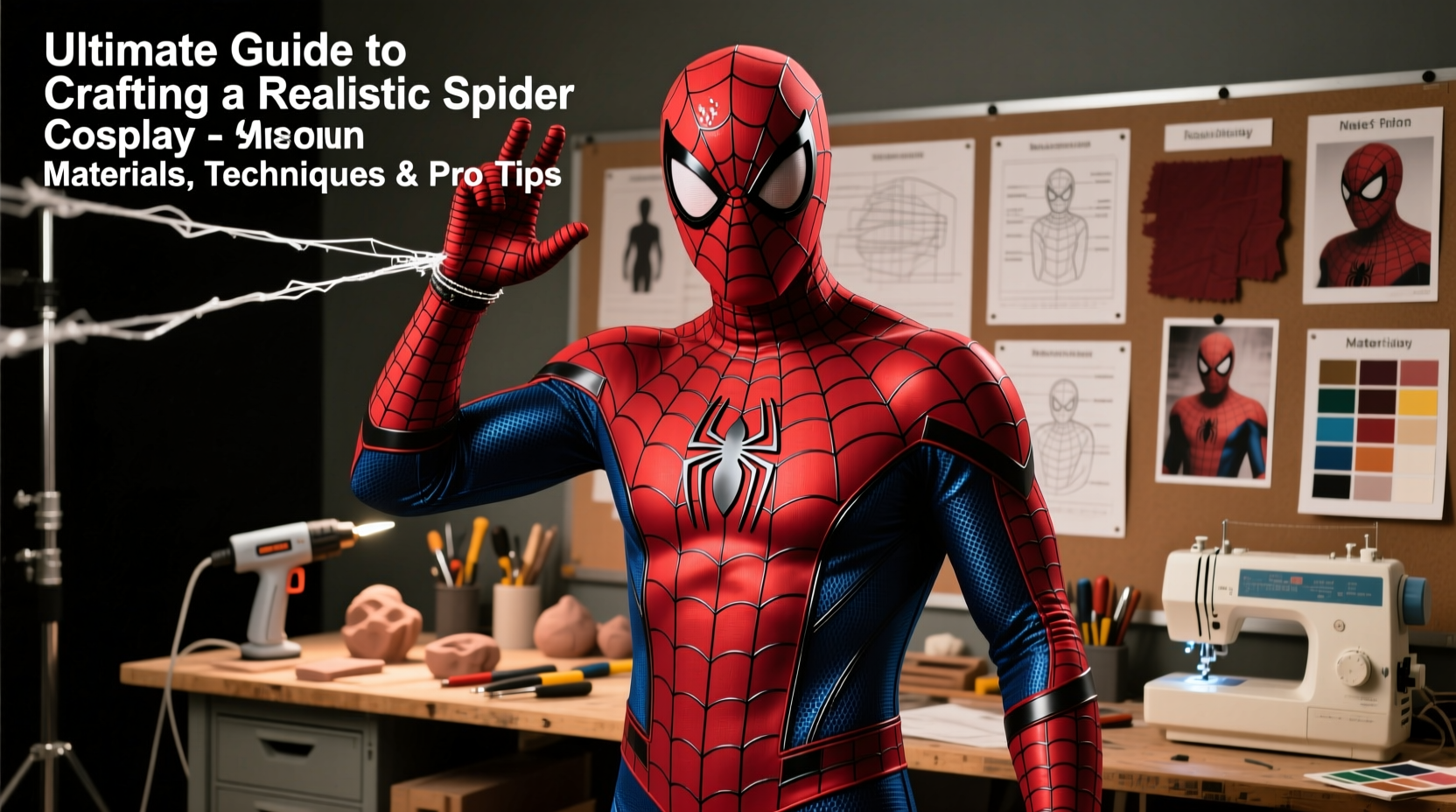
The foundation of any convincing Spider-Man suit lies in its fabric. The suit is form-fitting, stretchable, and features a textured surface that mimics muscle definition and web patterns. Choosing the wrong material can result in a stiff, ill-fitting costume that looks more like a Halloween outfit than a superhero ensemble.
Spandex (also known as Lycra or elastane) is the industry standard for superhero cosplays due to its high elasticity and snug fit. For Spider-Man, a 4-way stretch spandex blend with at least 70% polyester and 30% spandex offers durability, breathability, and excellent drape. Matte finishes are preferred over glossy ones to avoid an artificial look under lighting.
For raised webbing and muscle detailing, EVA foam or Worbla are ideal. These materials can be heat-formed, sculpted, and painted to replicate the three-dimensional texture seen in movie suits. Web lines should be applied using either stitched fabric piping, heat-transfer vinyl (HTV), or hand-painted techniques with flexible fabric paints.
| Material | Best Use Case | Pros | Cons |
|---|---|---|---|
| 4-Way Stretch Spandex | Main suit body | Flexible, breathable, skin-tight fit | Can pill if low quality |
| EVA Foam (5mm) | Muscle padding, chest emblem | Lightweight, easy to shape | May require sealing for durability |
| Heat Transfer Vinyl (HTV) | Web pattern application | Precise, washable, smooth finish | Limited depth; not 3D |
| Worbla | Detailed armor pieces, mask reinforcement | Highly moldable, paintable | Heavier, requires ventilation planning |
Construction Techniques for a Screen-Accurate Fit
A poorly constructed suit will sag, wrinkle, or restrict movement—three things that instantly break immersion. Professional-level Spider-Man cosplays use flatlock stitching to create seamless, flexible seams that move with the body. If you don’t have access to an industrial serger, a zigzag stitch on a home machine with nylon thread can mimic the effect.
Pattern accuracy is critical. Many cosplayers use pre-made commercial patterns from vendors like Spirit Club or Arda Wigs as a base, then modify them to match specific versions of the suit. For custom designs, creating a mock-up from inexpensive athletic fabric first allows you to test fit and adjust before cutting your final material.
3D muscle sculpting adds realism but must be balanced with comfort. Attach foam musculature using elastic straps or sewn channels so it moves naturally with your torso. Overbuilding can lead to overheating and restricted motion—especially during long convention days.
“Accuracy isn’t just about color matching—it’s about how the suit behaves when worn. Movement, stretch, and silhouette matter as much as paint.” — Derek Lang, Prop Master & Cosplay Judge at Comic-Con International
Creating a Realistic Mask and Eye Details
The mask is arguably the most expressive part of the Spider-Man suit. A poorly made mask can obscure vision, fog up, or appear lifeless. High-quality mesh lenses are essential for visibility and breathability. Clear or tinted polycarbonate lenses cut to follow the eye ridge provide structure while allowing full peripheral sight.
Painting the white lenses requires multiple thin layers of flexible fabric paint or airbrush-grade acrylics designed for plastics. Start with a black base, then gradually build up the white \"lens\" area to mimic the subtle curve of the eyes. Adding slight asymmetry—a slightly narrower left lens, for example—can enhance realism by breaking perfect symmetry.
Internal framing using lightweight plastic strips or aluminum wire helps maintain the mask’s shape without adding bulk. Ventilation holes near the temples and under the chin reduce fogging. Some advanced builders integrate micro-fans powered by small USB batteries for active airflow.
Step-by-Step Guide to Applying Web Patterns
One of the defining features of Spider-Man’s suit is the intricate web design. Hand-drawing or poorly aligned webs ruin the illusion. Follow this process for crisp, consistent results:
- Design the Web Template: Use vector software (like Adobe Illustrator or Inkscape) to trace official reference art. Scale the pattern to match your suit’s dimensions.
- Print and Cut: Print the design on adhesive-backed HTV paper, then cut using a craft cutter (e.g., Cricut or Silhouette) or by hand with precision blades.
- Test Placement: Lay the suit flat and position weblines temporarily with tape. Adjust spacing for anatomical flow—webs should follow muscle contours, not run straight across joints.
- Apply with Heat Press: Use a heat press (or household iron with Teflon sheet) at 300°F for 10–15 seconds per section. Apply firm, even pressure.
- Seal Edges: Brush a thin layer of liquid seam sealant over edges to prevent peeling after repeated wear.
Final Touches and Wearability Tips
A great suit isn’t just about appearance—it must be wearable. Add anti-slip silicone strips inside the waistband and cuffs to keep the suit from riding up. Consider installing a hidden back zipper or front placket for easier bathroom breaks.
Foot covers should be integrated into the leg pieces or attached via zippers. Avoid separate boot covers—they tend to bunch and slide. Glove fingertips can be reinforced with nonslip pads for practical handling of phones or cameras.
For dynamic posing, incorporate articulated web shooters. Functional versions can be built with spring-loaded mechanisms or pneumatic tubing, though most cosplayers opt for static replicas made from PVC pipe and resin casting.
Real Example: From Concept to Convention Floor
When Jamie Rios decided to cosplay Tom Holland’s Spider-Man for Dragon Con, he spent six weeks prototyping. He started with a commercial spandex base but found the muscle definition too flat. After experimenting with layered EVA foam glued in tapered segments, he achieved a natural bulge that flexed realistically. His breakthrough came when he used a heat gun to subtly warp the foam along bicep and abdominal lines, mimicking tendon tension. At the event, judges praised his suit’s motion fidelity—how it looked alive during movement.
Cosplay Checklist: Build Your Spider-Man Suit Like a Pro
- Choose 4-way stretch matte spandex (minimum 30% spandex content)
- Create or purchase a fitted base pattern
- Design and cut web pattern using vector software and HTV
- Sculpt chest emblem and muscle padding using EVA foam or Worbla
- Construct mask with breathable mesh lenses and internal support frame
- Use flatlock or zigzag stitching for all seams
- Test fit with mock-up before final assembly
- Add ventilation and anti-slip features for extended wear
- Seal all edges and stress points with fabric glue or seam sealer
- Practice quick changes and mobility movements before public wear
Frequently Asked Questions
How do I prevent my mask from fogging up?
Fogging occurs due to moisture buildup from breath and sweat. Prevent it by adding ventilation holes near the nose and chin, using anti-fog spray on lenses, or integrating a tiny USB-powered fan inside the mask lining.
Can I wash my Spider-Man suit?
Yes, but only hand wash in cold water with mild detergent. Hang dry away from direct sunlight. Avoid machine washing, which can peel HTV and stretch seams.
What’s the most cost-effective way to start?
Begin with a pre-made spandex base suit (available online), then customize it with painted webs and foam details. This saves time on patterning and sewing while still allowing creative control.
Bring Your Inner Hero to Life
Crafting a realistic Spider-Man cosplay is equal parts art and engineering. It challenges your patience, creativity, and problem-solving skills—but the payoff is immense. When you step into that suit and see others recognize the character you’ve poured hours into, it transcends imitation. It becomes transformation.




 浙公网安备
33010002000092号
浙公网安备
33010002000092号 浙B2-20120091-4
Comments
No comments yet. Why don't you start the discussion?