
Every year, millions of iPhone users face cracked screens, dented frames, or water damage—all preventable with the right protection. While Apple builds premium devices, even the most durable iPhones are vulnerable to drops, scratches, and everyday wear. A full coverage case is not just an accessory; it's a critical layer of defense that preserves both function and resale value. Understanding what makes a case truly protective—and how to use it effectively—can save you hundreds in repair costs and extend your device’s lifespan.
Why Full Coverage Matters More Than You Think
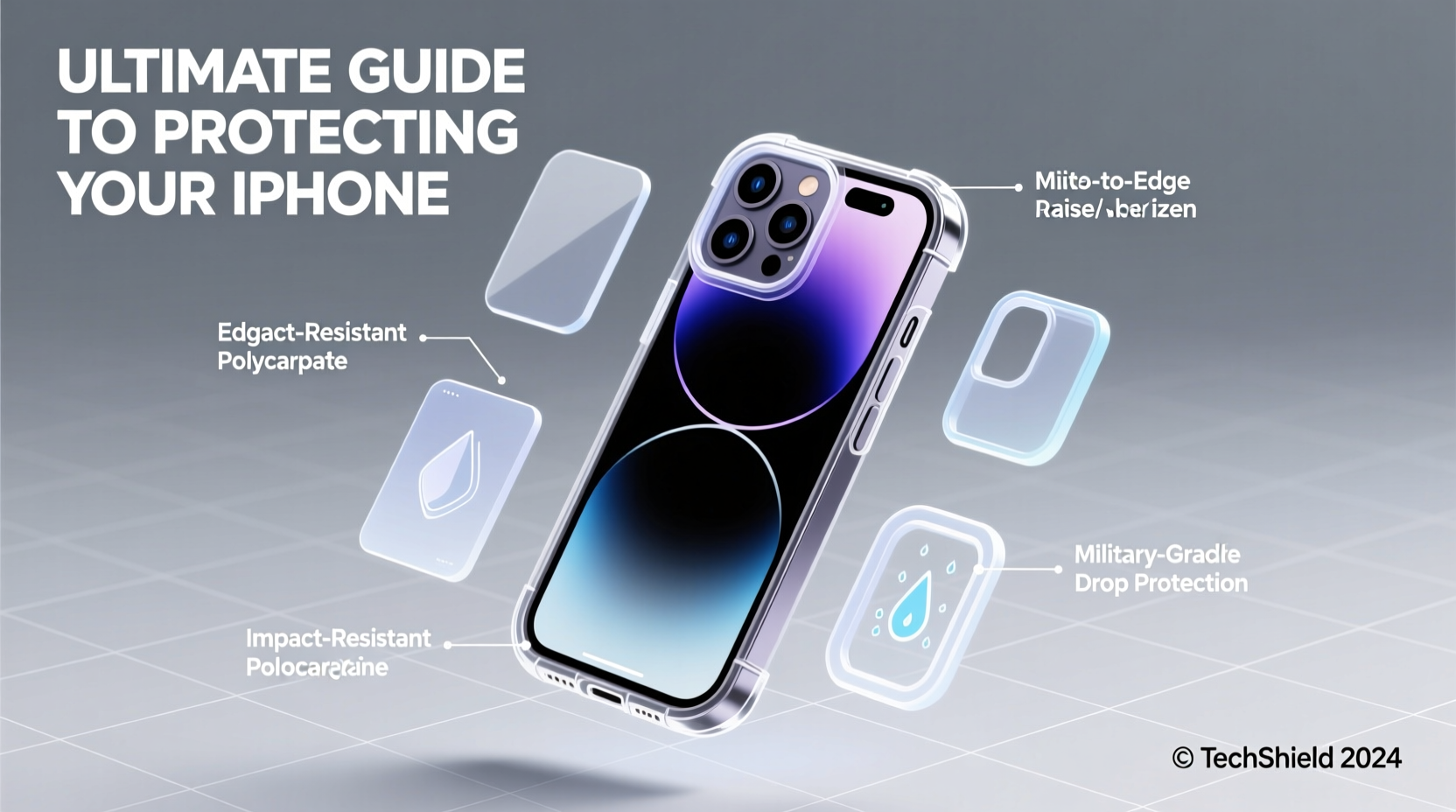
Not all cases offer equal protection. Many slim or fashion-forward designs only cover the back and sides, leaving the screen and camera exposed. A full coverage case, by contrast, extends protection to every vulnerable point: raised bezels shield the screen when placed face-down, elevated edges protect the camera lens, and reinforced corners absorb impact from drops. These design elements are especially crucial as modern iPhones feature larger glass surfaces on both front and back.
According to iFixit’s drop test analysis, phones without adequate corner reinforcement are 68% more likely to suffer internal damage from a three-foot fall onto concrete. Full coverage cases reduce this risk significantly by distributing impact energy across shock-absorbing materials like TPU (thermoplastic polyurethane) and polycarbonate.
Key Features to Look for in a Full Coverage Case
Choosing the right case isn’t about thickness—it’s about intelligent engineering. Here are the non-negotiable features of a high-performance full coverage case:
- Raised Edges: Ensure the screen and camera protrude no more than 1–2mm above the case rim to prevent direct contact with surfaces.
- Shock-Absorbing Corners: Look for multi-layer construction with air-cushion technology or hexagonal dampening structures at each corner.
- Drop Protection Certification: MIL-STD-810G or equivalent certification means the case has passed rigorous military-grade drop tests from up to 6 feet.
- Precise Cutouts: Ports, buttons, and sensors should be accurately aligned without excess space that allows dust or debris entry.
- Grip Enhancement: Textured sides or rubberized coatings prevent accidental slips, especially in humid conditions.
“Most iPhone damage occurs within the first six months of ownership—often due to inadequate case selection.” — Dr. Lena Park, Mobile Device Durability Researcher, TechShield Labs
How to Choose the Right Case for Your Lifestyle
Your daily routine should dictate your case choice. A minimalist leather sleeve might suit someone who works at a desk, but it won’t protect a phone carried in a backpack during hiking trips. Consider these real-world scenarios when selecting your case:
| Lifestyle | Recommended Case Type | Key Features Needed |
|---|---|---|
| Office Worker | Slim full-coverage hybrid | Raised edges, scratch-resistant back, precise cutouts |
| Outdoor Enthusiast | Rugged dual-material case | MIL-STD certification, lanyard loop, waterproof sealing |
| Parent / Active User | Heavy-duty bumper with screen lip | Drop protection, easy cleaning, anti-microbial coating |
| Frequent Traveler | Durable case with wallet function | ID/card slot, RFID blocking, airport-friendly design |
Mini Case Study: From Cracked Screen to Total Protection
Mark, a landscape photographer in Colorado, went through three iPhones in two years due to falls from his gear bag. After investing in a full coverage case with MIL-STD certification and a built-in screen protector lip, he hasn’t had a single incident in 18 months—even after dropping his phone off a trail ledge. “I used to think thick cases were overkill,” he says. “Now I realize they’re insurance.”
Step-by-Step: How to Install and Maintain Your Full Coverage Case
Even the best case underperforms if improperly installed or poorly maintained. Follow this timeline to ensure optimal protection:
- Day 1 – Installation: Clean your iPhone thoroughly with a microfiber cloth. Align the case carefully, starting from the charging port end, and press firmly but evenly until all edges snap into place.
- Weekly – Cleaning: Remove the case and wipe both the phone and interior lining with a dry, lint-free cloth. Use a soft brush to clear dust from ports and button covers.
- Monthly – Inspection: Check for cracks, loose corners, or worn-out button covers. Test drop protection by gently pressing on each corner—if it feels brittle or stiff, replace it.
- Every 12–18 Months – Replacement: TPU degrades over time due to UV exposure and oils from skin. Even undamaged cases lose shock absorption capacity after a year and a half.
Must-Have Accessories That Complement Full Coverage Cases
A case alone isn’t enough for complete protection. Pair it with these accessories for maximum defense:
- Tempered Glass Screen Protector: Adds an extra barrier against scratches and minor impacts. Choose one with oleophobic coating to resist fingerprints.
- Camera Lens Cover: Some premium cases include sliding shutters to keep lenses clean and smudge-free.
- Waterproof Pouch: For beach trips or rainy commutes, use a sealed pouch even if your iPhone claims water resistance—IP ratings degrade over time.
- Anti-Microbial Wipe: Especially useful for parents or healthcare workers, these wipes help sanitize the case exterior weekly.
Checklist: Is Your iPhone Fully Protected?
Before assuming your device is safe, verify these points:
- ✅ Screen is fully recessed behind raised bezel
- ✅ Camera module sits below protective lip
- ✅ Case has passed independent drop testing (MIL-STD or equivalent)
- ✅ Buttons are responsive and covered for dust protection
- ✅ Material resists yellowing (especially important for clear cases)
- ✅ Compatible with wireless charging without removal
- ✅ Easy to clean and maintain long-term
FAQ
Do full coverage cases interfere with wireless charging?
No—most high-quality models are designed to work seamlessly with Qi chargers. Just ensure the case thickness doesn’t exceed 3mm and avoids metal components near the charging coil.
Can I use my iPhone’s water resistance instead of a protective case?
Not reliably. While iPhones have IP68 ratings, this protection diminishes with wear, drops, or temperature changes. A full coverage case adds physical shielding and often improves grip in wet conditions.
Are clear cases less protective than colored ones?
Protection depends on material and structure, not color. However, cheaper clear cases may yellow over time due to UV exposure and lower-grade TPU. Opt for brands using UV-stable polymers for lasting clarity.
Final Thoughts: Protection Is Prevention
Your iPhone is a powerful tool, a communication hub, and often a financial investment. Treating its protection as optional leads to avoidable damage and frustration. A well-chosen full coverage case—paired with regular maintenance and smart habits—acts as your first and most effective line of defense. It’s not about making your phone bulky; it’s about making it resilient.




 浙公网安备
33010002000092号
浙公网安备
33010002000092号 浙B2-20120091-4
Comments
No comments yet. Why don't you start the discussion?