
Static cling is a common annoyance that turns clean, fresh laundry into a frustrating mess. Socks stick to shirts, skirts cling uncomfortably to legs, and synthetic fabrics crackle with every movement. While often dismissed as a minor inconvenience, persistent static can damage delicate fabrics, irritate sensitive skin, and make dressing an unpleasant experience. The good news: static cling isn’t inevitable. By understanding the science behind it and applying targeted solutions, you can eliminate static from your laundry routine—permanently.
The Science Behind Static Cling
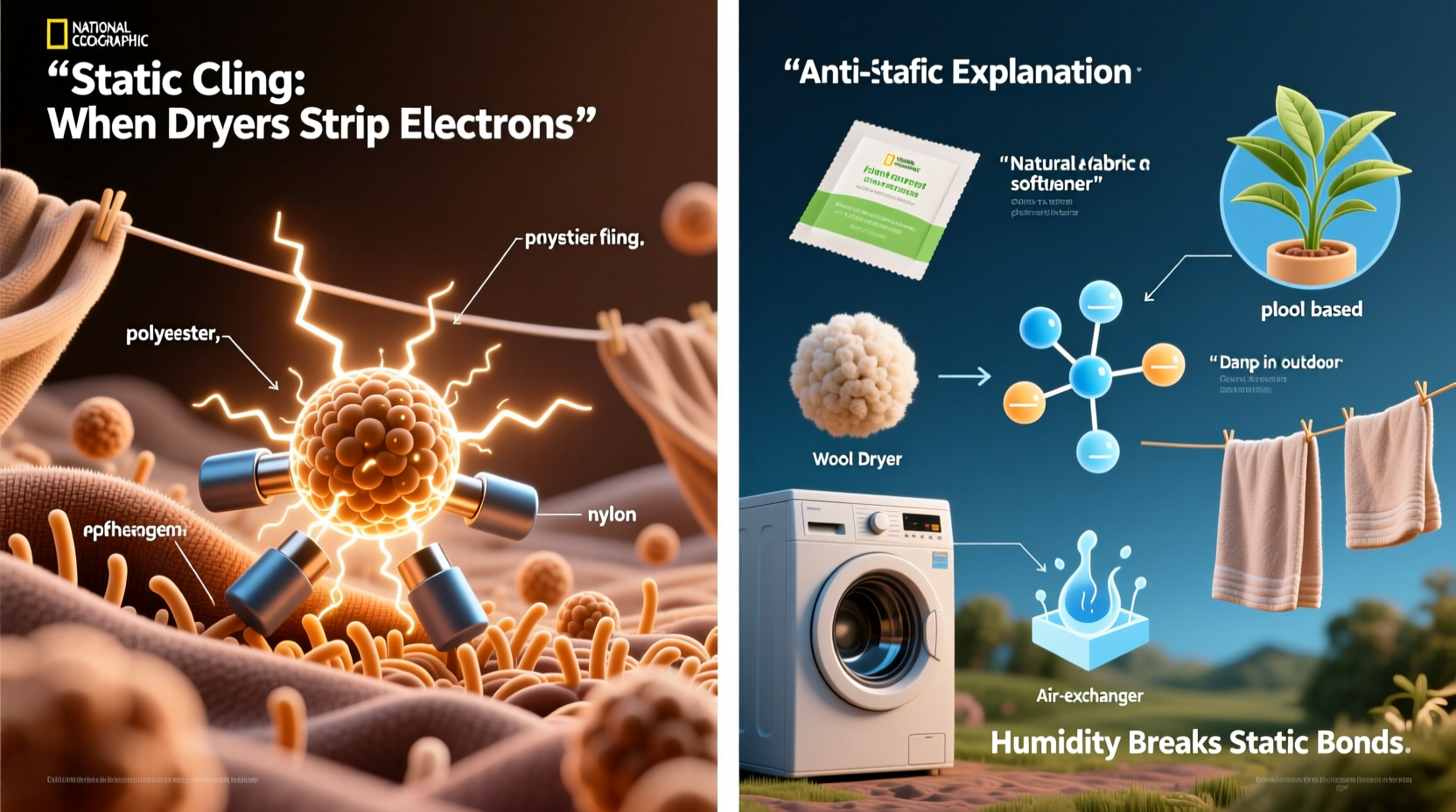
Static electricity occurs when electrons transfer between materials during friction. In the context of laundry, this happens primarily in the dryer. As clothes tumble against each other, especially synthetic fabrics like polyester, nylon, and acrylic, electrons are stripped from one surface and deposited on another. This creates an imbalance of electrical charge—positive on one item, negative on another—resulting in attraction, or “cling.”
Dry environments worsen the issue because moisture in the air normally helps dissipate electric charges. When humidity drops—common in winter or in air-conditioned homes—there’s less moisture to neutralize the buildup, allowing static to persist. Natural fibers like cotton and wool are less prone to static because they retain moisture better than synthetics, but even cotton blends can become charged under dry conditions.
“Static cling is essentially a physics problem disguised as a laundry problem. Address the environment and the materials, and you solve the symptom.” — Dr. Linda Chen, Materials Scientist at the Textile Research Institute
Common Causes of Static in Laundry
Understanding the root causes is essential for long-term prevention. Here are the primary contributors:
- Over-drying clothes: Removing all moisture leaves fabrics vulnerable to charge buildup. The longer clothes tumble past dryness, the more friction and static occur.
- Synthetic fabrics: Materials like polyester generate more static due to their low moisture absorption and high resistance to conductivity.
- Low humidity: Indoor air below 40% relative humidity significantly increases static potential.
- Plastic or rubber dryer drums: Some older or budget dryers have coatings that increase friction, worsening static.
- Lack of separation: Mixing heavy items (towels) with lightweight synthetics (blouses) creates uneven tumbling and more contact-induced charging.
Effective Methods to Eliminate Static Cling
While many temporary fixes exist—like using a metal hanger to discharge static—true elimination requires a multi-pronged approach. The following strategies target both immediate relief and long-term prevention.
1. Use Dryer Balls Instead of Sheets
Wool or rubber dryer balls reduce static by separating clothes during the drying cycle, improving airflow and reducing fabric-to-fabric friction. Wool balls also absorb a small amount of moisture, releasing it gently during drying to maintain slight humidity within the load.
Unlike dryer sheets, which coat fabrics with chemicals that can degrade over time, dryer balls are reusable, non-toxic, and effective for hundreds of loads.
2. Add Moisture During Drying
A damp washcloth placed in the dryer during the last 10–15 minutes of the cycle introduces moisture without rewetting clothes. Alternatively, lightly mist garments with water after drying if static persists.
For a natural alternative, add a quarter-cup of white vinegar to a spray bottle filled with water. Lightly spritz clinging areas—this not only neutralizes static but also refreshes odors.
3. Reduce Drying Time and Heat
High heat accelerates moisture loss, increasing static risk. Switch to low or medium heat settings, and use moisture sensors if your dryer has them. These sensors automatically stop the cycle when clothes are dry, preventing over-drying.
4. Line-Dry When Possible
Airing clothes naturally eliminates dryer friction altogether. Even partially line-drying—say, until 80% dry—before finishing in the dryer reduces static dramatically. Outdoor drying also exposes fabrics to ambient humidity, further minimizing charge buildup.
Permanent Solutions: Changing Your Laundry System
To eliminate static cling permanently, shift from reactive fixes to proactive system changes. The goal is to create a laundry ecosystem that discourages static at every stage—washing, drying, and storage.
Step-by-Step Guide to a Static-Free Routine
- Sort by fabric type: Separate synthetics from cottons and linens. Heavy towels should be dried alone to prevent dragging lighter items through prolonged cycles.
- Use cold water washes: Cold water preserves fibers and reduces static-inducing stress on synthetics. Add ½ cup of white vinegar to the rinse cycle as a natural softener and static reducer.
- Switch to eco-friendly detergents: Harsh surfactants in conventional detergents strip natural oils and moisture. Choose plant-based formulas without optical brighteners or synthetic fragrances.
- Use wool dryer balls: Add 3–6 balls per load depending on size. For extra anti-static power, apply 2–3 drops of essential oil (e.g., lavender or eucalyptus) to the balls—this adds scent without chemical residue.
- Install a home humidifier: Maintain indoor humidity between 40% and 60%. This simple environmental change reduces static in clothing, hair, and household surfaces.
- Store clothes properly: Use breathable cotton garment bags or open shelves. Avoid plastic bins, which trap dry air and encourage static.
“Eliminating static isn’t about one magic trick—it’s about consistency across your entire laundry process. Small changes compound into permanent results.” — Sarah Kim, Sustainable Home Consultant
Do’s and Don’ts of Static Prevention
| Do | Don’t |
|---|---|
| Use wool dryer balls | Rely solely on dryer sheets |
| Dry full loads (but not overloaded) | Dry single items or very small loads |
| Add moisture with a damp cloth | Over-dry clothes to ensure they’re “extra dry” |
| Maintain indoor humidity | Run heaters or AC without humidification |
| Air-dry delicate synthetics | Tumble-dry silk or lace at high heat |
Real-World Example: A Household Transformed
Jamie R., a mother of two in Denver, struggled with static cling year-round. Her children’s school uniforms—made of polyester blends—would crackle and stick to their legs every morning. Despite using multiple dryer sheets, the problem persisted, and she noticed increased pilling on sweaters.
After researching alternatives, Jamie implemented a new routine: she switched to wool dryer balls, began adding vinegar to the rinse cycle, and started removing clothes promptly after drying. She also purchased a $50 hygrometer and added a portable humidifier to her laundry room.
Within three weeks, static disappeared. Not only were clothes softer and quieter, but her energy bills dropped due to shorter drying times. “I wish I’d known how much was tied to humidity,” she said. “It wasn’t just the laundry—it helped my kids’ dry skin too.”
FAQ: Common Questions About Static Cling
Can I use aluminum foil to reduce static?
Yes. Crumpling a sheet of aluminum foil into a ball and tossing it in the dryer can help discharge static. The foil acts as a conductor, redistributing electrons. It’s reusable for 3–4 months before losing effectiveness. However, it doesn’t soften clothes or reduce drying time like wool balls.
Are dryer sheets harmful in the long term?
Many conventional dryer sheets contain quaternary ammonium compounds (quats) and synthetic fragrances linked to respiratory irritation and reduced towel absorbency. Over time, these residues can build up on fabrics and dryer sensors, decreasing efficiency. For health and performance, non-coating solutions like dryer balls are preferable.
Why do some clothes still cling even after using anti-static products?
Persistent cling may indicate over-drying, extremely low humidity, or fabric degradation. Older synthetic garments often develop micro-tears that increase surface friction. Additionally, hard water deposits can make fibers more prone to charging. Consider testing water hardness and replacing worn-out items.
Final Checklist for Permanent Static Elimination
- Immediate Actions:
- ✔️ Remove clothes immediately after drying
- ✔️ Use a metal hanger or safety pin to discharge static before wearing
- ✔️ Lightly mist clothes with water-vinegar mix if needed
- Mid-Term Adjustments:
- ✔️ Replace dryer sheets with wool dryer balls
- ✔️ Sort laundry by fabric type and weight
- ✔️ Lower dryer heat settings and avoid over-drying
- Long-Term System Changes:
- ✔️ Install a whole-home or room humidifier
- ✔️ Switch to cold-water washes with natural detergents
- ✔️ Incorporate line-drying for delicate or synthetic items
- ✔️ Monitor indoor humidity regularly (ideal: 40–60%)
Conclusion: Take Control of Your Laundry Environment
Static cling is not a fact of life—it’s a solvable problem rooted in physics, environment, and habit. By addressing the core causes—dry air, synthetic friction, and improper drying—you can achieve consistently static-free laundry. The most effective solutions are sustainable, cost-effective, and healthier for both your clothes and your home.
Start today by auditing your current routine. Are you over-drying? Using chemical-laden sheets? Ignoring indoor humidity? Small shifts compound into lasting results. Implement even two or three of the strategies outlined here, and you’ll notice a dramatic difference within a single laundry cycle.




 浙公网安备
33010002000092号
浙公网安备
33010002000092号 浙B2-20120091-4
Comments
No comments yet. Why don't you start the discussion?