
Jelly shoes—those translucent, plastic footwear pieces that once dominated pool decks and playgrounds in the 1980s—are back with a splash. Seen on runways, street style feeds, and summer festivals, they’ve reemerged as a nostalgic yet fashion-forward choice. But beyond their viral aesthetic, a critical question lingers: are jelly shoes actually comfortable? To understand this resurgence and separate style from substance, it’s essential to examine the cultural forces behind the trend, how modern materials have evolved, and what real-world wearers can expect.
The Comeback of a Retro Icon
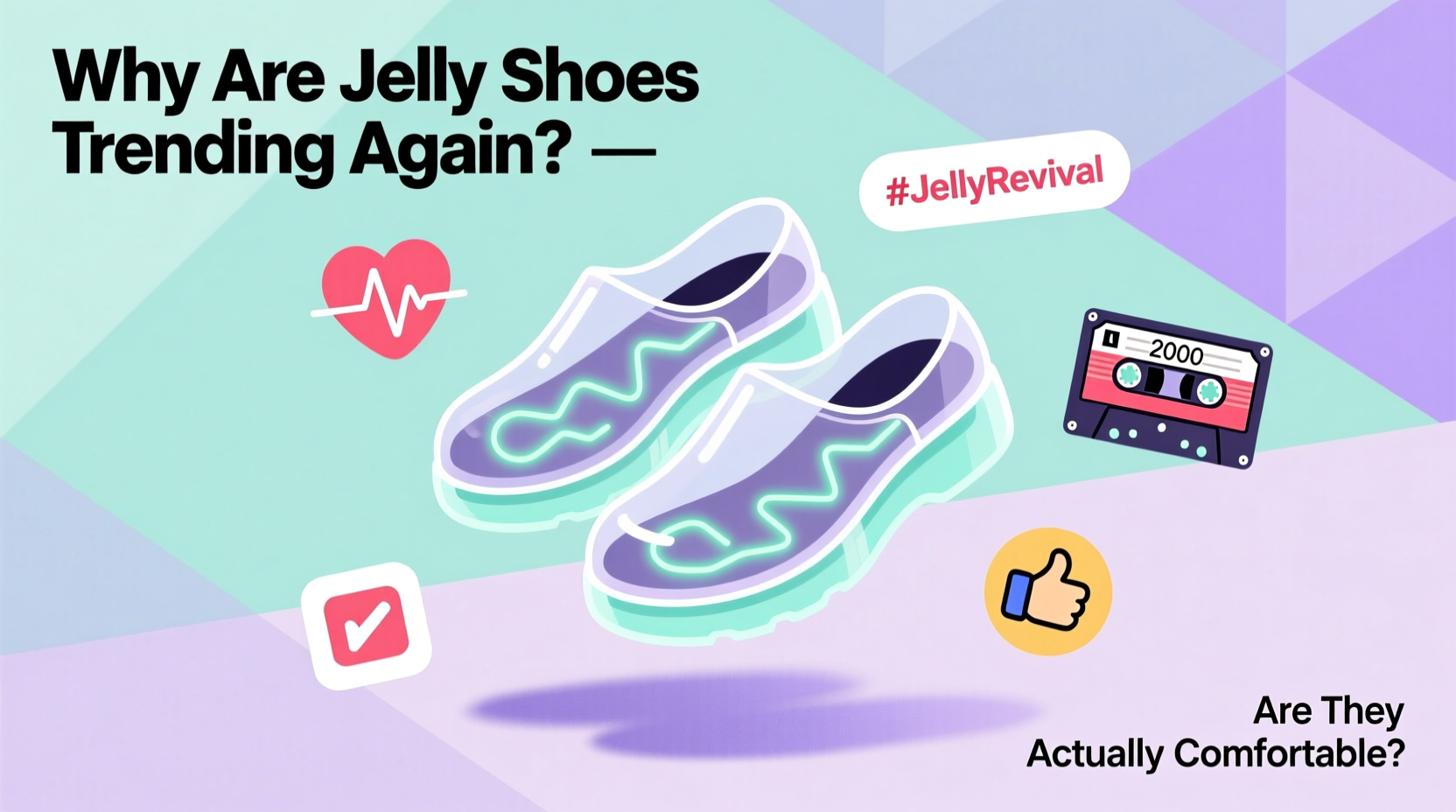
Jelly shoes first gained popularity in Brazil during the 1940s before becoming a global phenomenon in the 1980s. Made from polyvinyl chloride (PVC), they were affordable, colorful, and water-resistant—perfect for beach trips, kids’ play, and casual summer wear. Their decline in the 1990s was due to shifting tastes and concerns over PVC's environmental impact and potential toxicity. Yet today, nostalgia-driven fashion cycles have brought them roaring back.
Gen Z and millennial consumers are increasingly drawn to retro aesthetics, particularly items that evoke childhood memories or analog-era charm. Platforms like TikTok and Instagram have amplified this sentiment, where vintage styles are reinterpreted through a contemporary lens. Jelly shoes fit perfectly into the “Y2K revival” and “quiet luxury meets kitsch” trends, appearing in minimalist transparent designs or bold, glitter-infused variations.
Fashion houses like Balenciaga and Marine Serre have incorporated jelly-like materials into high-end collections, lending credibility to the once-mocked footwear. Streetwear brands and fast-fashion retailers followed suit, offering accessible versions in rainbow hues, metallic finishes, and even platform silhouettes.
Are Modern Jelly Shoes More Comfortable Than Before?
The comfort of jelly shoes has long been debated. Traditional versions were rigid, offered minimal arch support, and could cause blisters after prolonged use. However, advancements in material engineering and design have addressed some of these issues.
Today’s jelly shoes often feature:
- Softer, more flexible PVC compounds that mold slightly to the foot
- Textured or cushioned insoles to reduce friction
- Ergonomic shaping for better heel and toe fit
- Lightweight construction that reduces foot fatigue
While still not comparable to athletic sneakers or orthopedic sandals, modern iterations are significantly more wearable than their predecessors. Some brands now blend PVC with thermoplastic rubber (TPR) or add foam padding, improving shock absorption and flexibility.
That said, comfort remains subjective and context-dependent. Jelly shoes perform best in short-term, warm-weather scenarios—think walking along the boardwalk, attending an outdoor concert, or styling a summer outfit for photos. They are not ideal for all-day wear, uneven terrain, or climates requiring insulation.
“Footwear comfort isn’t just about cushioning—it’s about fit, duration, and activity. Jelly shoes have improved, but they’re still niche performers.” — Dr. Lena Torres, Podiatrist and Footwear Ergonomics Researcher
Material Matters: What Are Today’s Jelly Shoes Made Of?
Understanding the composition of jelly shoes helps assess both comfort and safety. Most are still made from PVC, a synthetic plastic known for its durability and transparency. However, traditional PVC production involves phthalates—chemicals used to increase flexibility—which have raised health and environmental concerns.
In response, many ethical and sustainable brands now offer:
- Phthalate-free PVC: Safer for skin contact and indoor air quality
- Recycled PVC: Reduces reliance on virgin plastic
- Bio-based alternatives: Experimental materials derived from plant sources
It’s worth noting that while PVC is waterproof and easy to clean, it’s not breathable. This means feet can sweat inside the shoe, potentially leading to odor or fungal issues if worn for extended periods without breaks.
| Material Type | Flexibility | Breathability | Eco-Impact |
|---|---|---|---|
| Traditional PVC | Moderate | Poor | High (non-biodegradable, phthalates) |
| Phthalate-Free PVC | Good | Poor | Moderate (still non-biodegradable) |
| PVC + TPR Blend | Excellent | Poor | Moderate |
| Recycled PVC | Good | Poor | Lower (uses existing plastic waste) |
For eco-conscious buyers, look for brands that disclose material sourcing and manufacturing practices. Transparency is key when navigating the sustainability claims of plastic footwear.
Real-World Wear Test: A Mini Case Study
Sophia, a 27-year-old graphic designer from Miami, decided to test jelly shoes during her vacation in Barcelona. She purchased a pair of clear, low-heeled jelly mules marketed as “comfort-enhanced” and wore them for three consecutive days under varying conditions.
Day 1: Worn for a 3-hour evening stroll near the beach. Sophia reported initial stiffness but noted the shoes softened slightly as her feet warmed. No blisters formed.
Day 2: Used for a full day of sightseeing, including cobblestone streets and museum visits. After five hours, she experienced heel chafing and mild arch fatigue. She carried the shoes the last two hours.
Day 3: Reserved for a poolside lunch and sunset photos. Comfort returned in this limited-use setting. Easy to wipe clean after stepping on damp tiles.
Verdict: “They’re stylish and fun for short outings, but I wouldn’t walk across a city in them. If you treat them like accessories rather than everyday shoes, they work.”
How to Choose Jelly Shoes That Balance Style and Wearability
Not all jelly shoes are created equal. To maximize comfort and longevity, consider the following checklist before purchasing:
- Check the insole: Look for models with padded or textured footbeds to reduce slipping and pressure.
- Avoid sharp seams: Poorly finished edges can irritate the skin—run your fingers along the interior.
- Opt for enclosed heels: Backstraps or closed-heel designs provide more stability than slides.
- Consider the sole thickness: Thicker soles offer better protection on rough surfaces.
- Try them on late in the day: Feet swell throughout the day; ensure there’s no tightness at peak size.
- Size up if between sizes: Rigid materials don’t stretch like leather or fabric.
Additionally, prioritize brands that emphasize ethical production. Labels like “OEKO-TEX certified” or “non-toxic dyes” indicate safer manufacturing standards.
Care and Maintenance Tips
One advantage of jelly shoes is their ease of cleaning. Unlike suede or mesh sneakers, they can be wiped down with a damp cloth and mild soap. For stubborn stains, a mixture of water and white vinegar works well.
To maintain clarity and prevent yellowing:
- Store away from direct sunlight, which can degrade PVC over time
- Avoid stacking heavy items on top, which may cause warping
- Keep in a breathable cotton bag, not plastic, to prevent moisture buildup
If the shoes develop an odor, sprinkle baking soda inside overnight or wipe with a diluted tea tree oil solution—a natural antimicrobial agent.
FAQ
Can you wear jelly shoes in the rain?
Yes, jelly shoes are fully waterproof and perform well in wet conditions. In fact, they’re ideal for rainy days or splashing in puddles. Just dry them thoroughly afterward to prevent mildew between layers.
Are jelly shoes suitable for wide feet?
Generally, no. Most jelly shoes have a narrow, structured fit and lack stretch. Those with wide feet should seek out brands that offer wider widths or opt for open-toe styles with adjustable straps for more room.
Do jelly shoes crack over time?
Prolonged exposure to UV light, extreme temperatures, or improper storage can cause PVC to become brittle and crack. With proper care, a pair can last multiple seasons. Avoid leaving them in hot cars or garages.
Conclusion: Style, Nostalgia, and Practicality in One Package
The resurgence of jelly shoes reflects more than just a fleeting fashion whim—it’s a testament to how nostalgia, innovation, and sustainability intersect in modern style. While they may never replace supportive sneakers or elegant leather loafers, today’s jelly shoes occupy a unique niche: playful, weather-resistant, and undeniably photogenic.
Comfort has improved, but expectations must be realistic. These are not marathon shoes. They thrive in moments of leisure, celebration, and self-expression. When chosen wisely—with attention to material quality, fit, and intended use—they can be both fashionable and functional.
Whether you’re revisiting a childhood favorite or discovering them for the first time, jelly shoes invite a sense of whimsy into everyday dressing. And in a world that often takes fashion too seriously, that might be their greatest comfort of all.




 浙公网安备
33010002000092号
浙公网安备
33010002000092号 浙B2-20120091-4
Comments
No comments yet. Why don't you start the discussion?