
Cats have long been regarded as enigmatic companions—aloof, independent, and sometimes seemingly indifferent. Yet, many cat owners know the quiet joy of a purring cat curled in their lap or a gentle head bump against their hand. If you’ve ever wondered why a particular cat seems drawn to you—while ignoring others—you’re not imagining things. Feline affection is subtle, complex, and deeply rooted in instinct, communication, and emotional connection. Understanding why a cat likes you isn’t about vanity; it’s about recognizing the quiet language of trust and attachment that cats use every day.
The Science Behind Cat Preferences
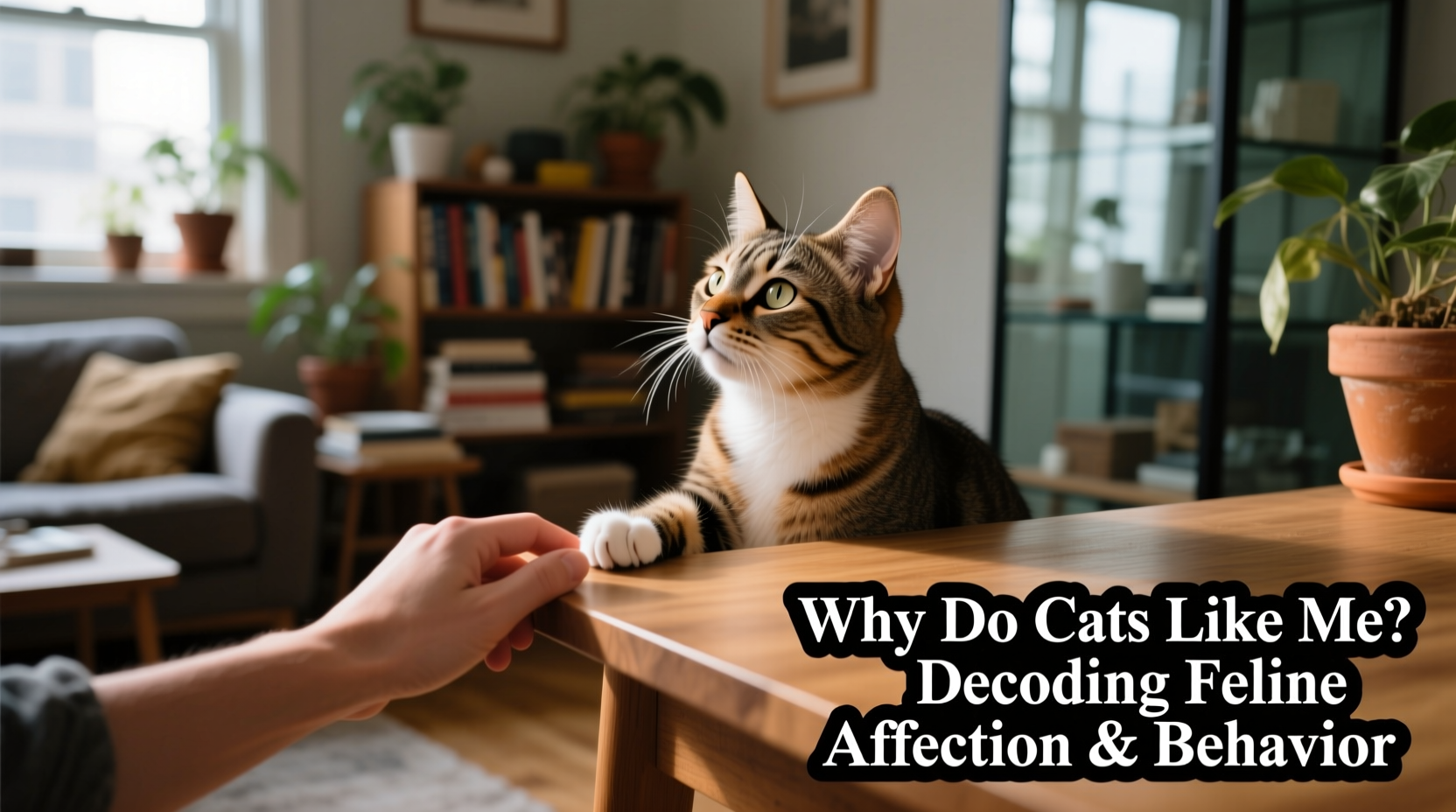
Cats are not random in their affections. Research shows they form strong social bonds with humans, though they express them differently than dogs. A 2019 study from Oregon State University found that over 60% of cats exhibit secure attachment to their caregivers—similar to human infants and dogs. This means cats don’t just tolerate us; they rely on us for emotional security.
So why one person over another? Cats choose based on sensory cues, past experiences, and behavioral predictability. They are highly attuned to body language, tone of voice, and even scent. A calm demeanor, slow movements, and consistent routines make a person more appealing to a cat’s sensitive nature. Sudden gestures or loud voices can trigger stress, while soft speech and stillness invite approach.
“Cats don’t bond randomly. They assess safety, consistency, and respect. The people they choose are those who make them feel understood.” — Dr. Sarah Ellis, Feline Behavior Specialist, University of Bristol
Decoding Feline Body Language
Cats communicate primarily through body signals, not vocalizations. Recognizing these signs helps reveal whether your cat truly likes you—or is merely tolerating you.
| Behavior | Meaning | What It Says About You |
|---|---|---|
| Purring while near you | Contentment and relaxation | You provide comfort and safety |
| Head-butting (bunting) | Scent-marking and affection | You're part of their trusted inner circle |
| Kneading with paws | Instinctual comfort behavior from kittenhood | You evoke feelings of warmth and security |
| Tail held high with a curl at the tip | Greeting signal of happiness | You're seen as a positive presence |
| Slow blinking | Sign of trust and relaxation | You’ve earned their confidence |
Conversely, flattened ears, twitching tails, or hiding indicate discomfort. If a cat avoids you despite your efforts, it may not be personal—it could reflect past trauma, environmental stress, or simply a different social preference.
Why Do Some Cats Favor One Person?
It’s common for a household with multiple people to have one individual who becomes the “favorite.” This isn’t arbitrary. Several factors influence this choice:
- Feeder Bias: Cats often bond most strongly with the person who feeds them regularly. Food equals survival, so the provider becomes a trusted figure.
- Voice and Movement: Softer voices and slower movements are less threatening. Cats notice who speaks gently and doesn’t loom over them.
- Emotional Energy: Cats are intuitive. They gravitate toward individuals with calm, stable energy, avoiding those who are anxious or erratic.
- Reciprocity: Cats appreciate people who respect their boundaries. Those who allow the cat to initiate contact build deeper trust.
A Real-Life Example: Emma and Luna
Emma adopted Luna, a rescue cat with a history of abandonment. For weeks, Luna hid under the bed, avoiding everyone except Emma. What set her apart? She never forced interaction. Instead, she sat nearby reading aloud each evening, letting Luna approach at her own pace. After three weeks, Luna began rubbing against her legs. By month six, she slept on Emma’s chest every night. Emma didn’t try to win Luna over—she created conditions where trust could grow naturally. That patience signaled safety, and Luna responded accordingly.
How to Strengthen Your Bond with a Cat
If you want to deepen your relationship with a cat—whether yours or someone else’s—consistency and respect are key. Affection can’t be demanded, but it can be invited.
- Let the Cat Lead: Allow interactions to be initiated by the cat. Avoid picking them up unless they jump onto you first.
- Respect Boundaries: Learn when your cat wants space. Overhandling leads to stress, even if done with good intentions.
- Use Positive Reinforcement: Reward calm behavior with treats or gentle praise. Never punish a cat for being cautious.
- Engage in Play: Daily play mimics hunting and builds trust. Use wand toys to simulate prey movement.
- Maintain Routine: Cats thrive on predictability. Feeding, playtime, and sleep schedules help them feel secure.
Feline Affection Checklist
To assess and improve your bond, follow this simple checklist:
- ☑ I let the cat come to me without forcing attention
- ☑ I recognize and respect signs of overstimulation (tail flicking, ear flattening)
- ☑ I maintain a consistent daily routine
- ☑ I engage in interactive play at least once a day
- ☑ I use slow blinks and soft tones when near the cat
- ☑ I avoid sudden movements or loud noises around them
FAQ: Common Questions About Cat Affection
Do cats really love their owners?
Yes, but not in the same way dogs do. Cats show love through subtle behaviors: grooming you, sleeping near you, bringing “gifts” like toys or prey. Their affection is quieter but no less real. Studies using scent recognition and stress tests confirm cats seek out their owners for comfort.
Why does my cat follow me to the bathroom?
This behavior combines curiosity, routine, and bonding. Bathrooms are often quiet, enclosed spaces where you sit still—making them ideal for a cat seeking attention. The sound of running water may also intrigue them. More importantly, if you’re predictable there, your cat learns it’s a safe time to connect.
Can a cat change its favorite person?
Yes. While early bonds are strong, cats adapt to changes in care and environment. If someone new takes over feeding, play, or comforting during stress, the cat may shift allegiance. This reflects their need for reliable support, not fickleness.
Conclusion: Earning a Cat’s Trust Is a Privilege
Being liked by a cat isn’t about popularity—it’s about being perceived as safe, predictable, and kind. Their affection is earned through patience, not performance. When a cat chooses you, it’s a quiet testament to your ability to create a space where vulnerability is respected. Whether it’s a slow blink from across the room or a warm weight settling into your lap, these moments are the true language of feline love.
Understanding why cats like you deepens the relationship and enriches both your lives. It shifts the focus from ownership to partnership—one built on mutual respect and silent understanding.




 浙公网安备
33010002000092号
浙公网安备
33010002000092号 浙B2-20120091-4
Comments
No comments yet. Why don't you start the discussion?