
As the holiday season approaches, homes across neighborhoods light up with festive cheer—strings of glowing Christmas lights draped over trees, rooftops, and railings. But sometimes, that first flick of the switch brings more than just illumination: a brief flash, a tiny pop, or even visible sparks. While occasional sparking might seem harmless, it can also signal serious electrical hazards. Understanding the difference between normal behavior and dangerous warning signs is essential for protecting your home and family.
Sparking in Christmas lights isn’t always cause for alarm, but it shouldn’t be ignored either. The key lies in recognizing the context: how much sparking occurs, where it happens, and whether it's accompanied by other symptoms like smoke, melting insulation, or burning smells. This article breaks down the science behind electrical arcing, identifies safe versus unsafe scenarios, and provides actionable steps to ensure your holiday lighting remains both beautiful and safe.
The Science Behind Sparking: Why It Happens
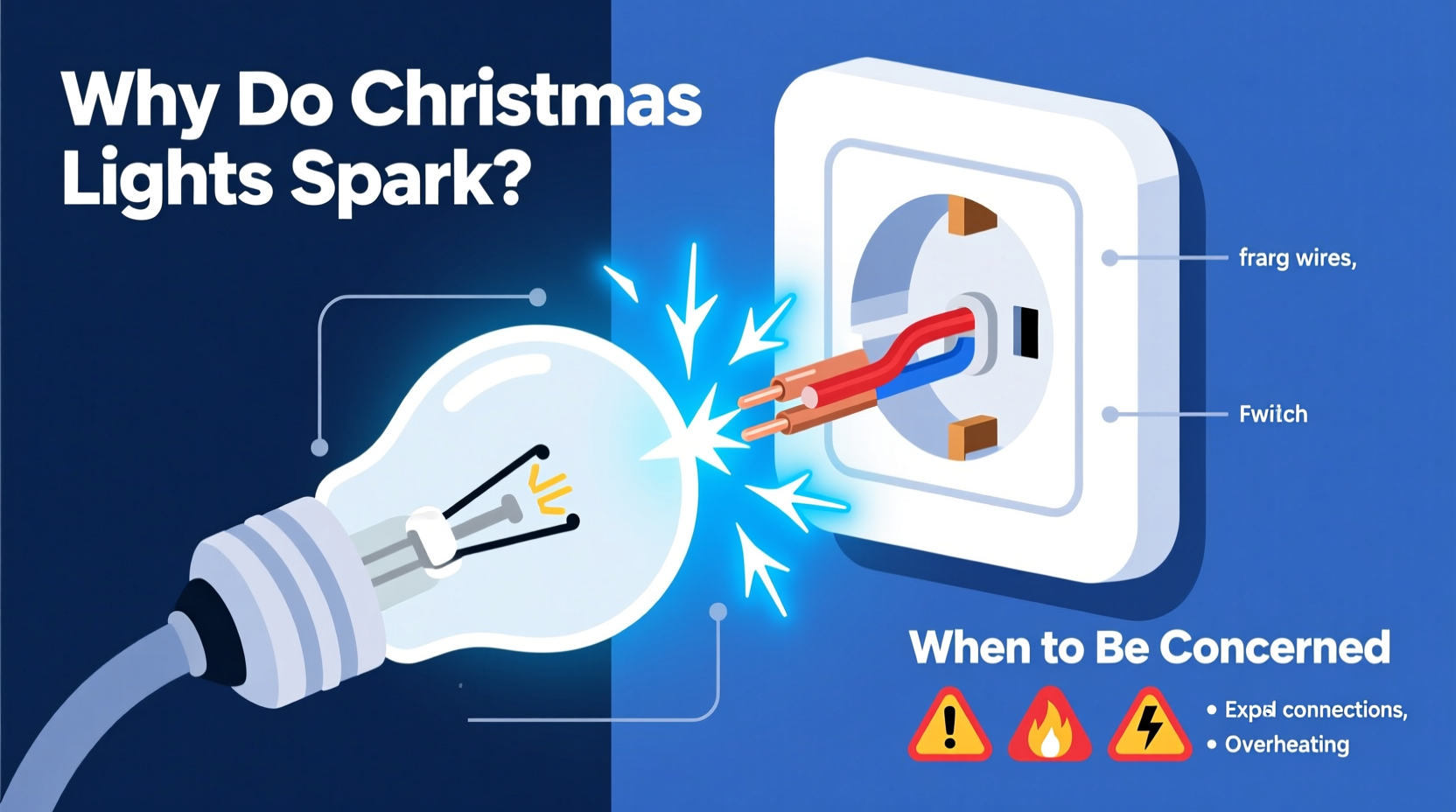
When you plug in a string of Christmas lights, a small spark may appear at the outlet or within the plug itself. This phenomenon is known as an \"inrush arc\" or \"contact arc.\" It occurs because electricity seeks the path of least resistance. As the metal prongs of the plug approach the live contacts inside the outlet, the voltage can jump across the tiny air gap—ionizing the air and creating a momentary spark.
This type of sparking is most common with incandescent bulbs, which have cold filaments that draw higher current momentarily when first energized. LED lights are less prone to this effect due to their lower power draw and built-in drivers, but they’re not immune—especially if there’s a capacitor charging surge upon connection.
Minor sparking confined to the plug or outlet faceplate—lasting less than a second and producing no odor—is typically benign. However, repeated or large sparks, especially those occurring after initial connection or along the cord, suggest deeper issues such as loose wiring, damaged insulation, or overloaded circuits.
“Small arcs during plug-in are normal in household electrical systems, but sustained or internal sparking in cords or sockets indicates deterioration or fault.” — Dr. Alan Reyes, Electrical Safety Engineer, National Fire Protection Association (NFPA)
When Sparking Is Normal vs. When It’s Dangerous
Not all sparks are created equal. Distinguishing between routine electrical behavior and hazardous malfunction can prevent unnecessary panic—or worse, complacency in the face of real danger.
| Scenario | Likely Cause | Risk Level | Recommended Action |
|---|---|---|---|
| Brief blue-white spark at outlet when plugging in | Inrush current / contact arcing | Low | None, if isolated and brief |
| Spark followed by immediate flickering or partial string failure | Faulty bulb socket or broken filament short | Moderate | Inspect bulbs and replace defective ones |
| Sparks from middle of cord or between wires | Exposed conductors or insulation damage | High | Unplug immediately; discard or repair professionally |
| Smoke, charring, or burning smell with sparking | Overheating, short circuit, or ground fault | Critical | Cut power, unplug, inspect wiring, consult electrician |
| Repetitive sparking at same outlet | Loose receptacle wiring or worn outlet | Moderate to High | Have outlet inspected by licensed electrician |
Understanding these distinctions helps prioritize responses. A one-time, microsecond flash at plug-in under dry conditions is generally acceptable. But any persistent, loud, or smelly sparking demands immediate attention.
Common Causes of Hazardous Sparking
Beyond normal inrush arcing, several underlying problems can lead to dangerous sparking in Christmas light setups. These often stem from wear, misuse, or environmental exposure.
Damaged Insulation or Exposed Wires
Outdoor lights endure weather extremes—sunlight degrades plastic coatings, freezing temperatures make wires brittle, and animals may chew through cords. Even minor abrasions can expose copper conductors, allowing unintended contact between wires or with grounded surfaces. This creates short circuits, which generate heat, sparks, and potentially fire.
Moisture Intrusion
Water conducts electricity and lowers resistance between adjacent wires. If moisture seeps into connectors, sockets, or cracked insulation, it can create leakage paths that result in intermittent arcing. Outdoor strings left up year-round or stored damp are especially vulnerable.
Overloaded Circuits or Daisy-Chaining Too Many Strings
Most indoor circuits are rated for 15 amps. Connecting too many light strings—particularly older incandescent types drawing 0.5–1 amp per set—can exceed capacity. Overloading leads to overheated wires, degraded connections, and increased likelihood of sparking at weak points.
Corroded or Loose Connectors
Repeated plugging and unplugging wears down metal contacts. Corrosion from humidity or salt air increases resistance, causing localized heating and micro-arcing each time current flows. This deteriorates further over time, escalating risk.
Faulty Bulbs or Sockets
A cracked bulb base or warped socket can allow the filament leads to touch the housing or adjacent terminals. This creates internal shorts that may arc visibly or trip GFCI outlets. In enclosed fixtures, such arcing can ignite nearby flammable materials.
Step-by-Step Guide: How to Safely Inspect and Maintain Your Christmas Lights
Prevention starts before the first strand goes up. Follow this timeline to ensure your lights are safe each season.
- Unbox and visually inspect – Lay out each string and check for frayed wires, cracked sockets, discolored plugs, or bent prongs. Discard any with visible damage.
- Test individually – Plug each strand into a working outlet. Watch for flickering, dim sections, or unusual warmth. Remove and set aside faulty sets.
- Check connections – Ensure male and female ends fit snugly without wobbling. Look for corrosion (white/green residue) and clean gently with isopropyl alcohol if needed.
- Verify outdoor ratings – Only use lights labeled “For Indoor/Outdoor Use” outside. Indoor-only strings lack weather-resistant seals and insulation.
- Use a circuit tester – For older homes, test outlets with a plug-in receptacle tester to confirm proper grounding and polarity.
- Limit daisy-chaining – Follow manufacturer guidelines (usually 3–5 sets max for incandescent, up to 10+ for LEDs). Use a power strip with overload protection if needed.
- Secure installation – Use insulated clips or hooks—not nails or staples—to avoid piercing wires. Keep cords away from foot traffic and heat sources.
- Monitor during use – After setup, check lights periodically while powered. Feel for hot spots and watch for intermittent operation.
- Proper storage – Wind lights loosely around a cardboard reel or foam core. Store in a dry, temperature-stable location to prevent brittleness.
“More than 15% of holiday decoration fires start due to electrical failures in lighting equipment. Annual inspection cuts that risk dramatically.” — U.S. Consumer Product Safety Commission (CPSC), Holiday Lighting Safety Report 2023
Real Example: A Close Call in a Suburban Home
In December 2022, a homeowner in Ohio plugged in her rooftop light display after retrieving it from a damp garage basement. Within minutes, neighbors noticed a faint glow near the eaves—not from the lights, but from smoldering wood beneath a junction box.
Firefighters determined that water had penetrated the connector between two strands during storage. When energized, the moisture caused continuous arcing at the splice point. Though the circuit didn’t trip immediately, heat built up over 45 minutes until igniting surrounding debris. No one was injured, but repairs cost over $7,000.
The lesson? Storing lights while damp—even briefly—and skipping pre-use inspections can have severe consequences. Had she tested the lights on a non-flammable surface first, the fault would have been caught safely.
Safety Checklist: Preparing Your Christmas Lights
- ✅ Inspect every inch of cord for cuts, kinks, or exposed wires
- ✅ Confirm all bulbs are seated properly and glass is intact
- ✅ Test each string individually before installation
- ✅ Use only UL-listed extension cords rated for outdoor use (if applicable)
- ✅ Avoid running cords under rugs, through doors, or near heaters
- ✅ Install GFCI protection for outdoor outlets or use GFCI-protected power strips
- ✅ Turn off lights when leaving home or going to sleep
- ✅ Replace incandescent strings with LEDs to reduce heat and energy use
- ✅ Label storage containers with year and condition (e.g., “2023 – Good”, “2023 – Needs Repair”)
Frequently Asked Questions
Is it safe if my Christmas lights spark when I plug them in?
A very brief, blue-white spark at the outlet when plugging in is usually normal due to inrush current. However, large, loud, yellow/orange sparks, repeated arcing, or sparks not at the plug point indicate a problem and should be investigated.
Can I fix a sparking light string myself?
Minor issues like a loose bulb or corroded connector can be cleaned or replaced with compatible parts. However, exposed wires, damaged insulation, or internal shorts should not be DIY-repaired unless you have electrical training. For safety, replace compromised strings entirely.
How long should Christmas lights last before replacing them?
Incandescent strings typically last 3–5 seasons with careful use. LEDs can last 10+ years. Replace any set showing signs of degradation—brittle wires, fading brightness, inconsistent lighting—even if still functional.
Final Thoughts: Enjoy the Glow, Not the Risk
Christmas lights bring joy, tradition, and warmth to the darkest time of year. But that brilliance should never come at the cost of safety. A split-second spark might seem trivial, but in the right (or wrong) conditions, it can escalate into tragedy. By understanding the causes of sparking, conducting thorough inspections, and respecting electrical limits, you protect not just your property but the people who gather around its glow.
The habits you build now—testing before hanging, storing correctly, retiring old sets—compound into years of worry-free celebrations. Don’t wait for a flicker to become a flame. Take action today: pull out your light boxes, run your fingers along each wire, and treat every connection with the care it deserves.




 浙公网安备
33010002000092号
浙公网安备
33010002000092号 浙B2-20120091-4
Comments
No comments yet. Why don't you start the discussion?