
Dogs exhibit a wide range of behaviors that can seem quirky or even comical to their human companions. One such behavior—spinning in tight circles before lying down—is nearly universal among canines. Whether your dog makes one full rotation or three quick turns, this ritual is more than just a habit. It’s a deeply rooted instinct with biological, evolutionary, and sometimes medical significance. Understanding why dogs do this offers insight into their ancestry, sensory perception, and overall well-being.
The Evolutionary Roots of Circle-Spinning
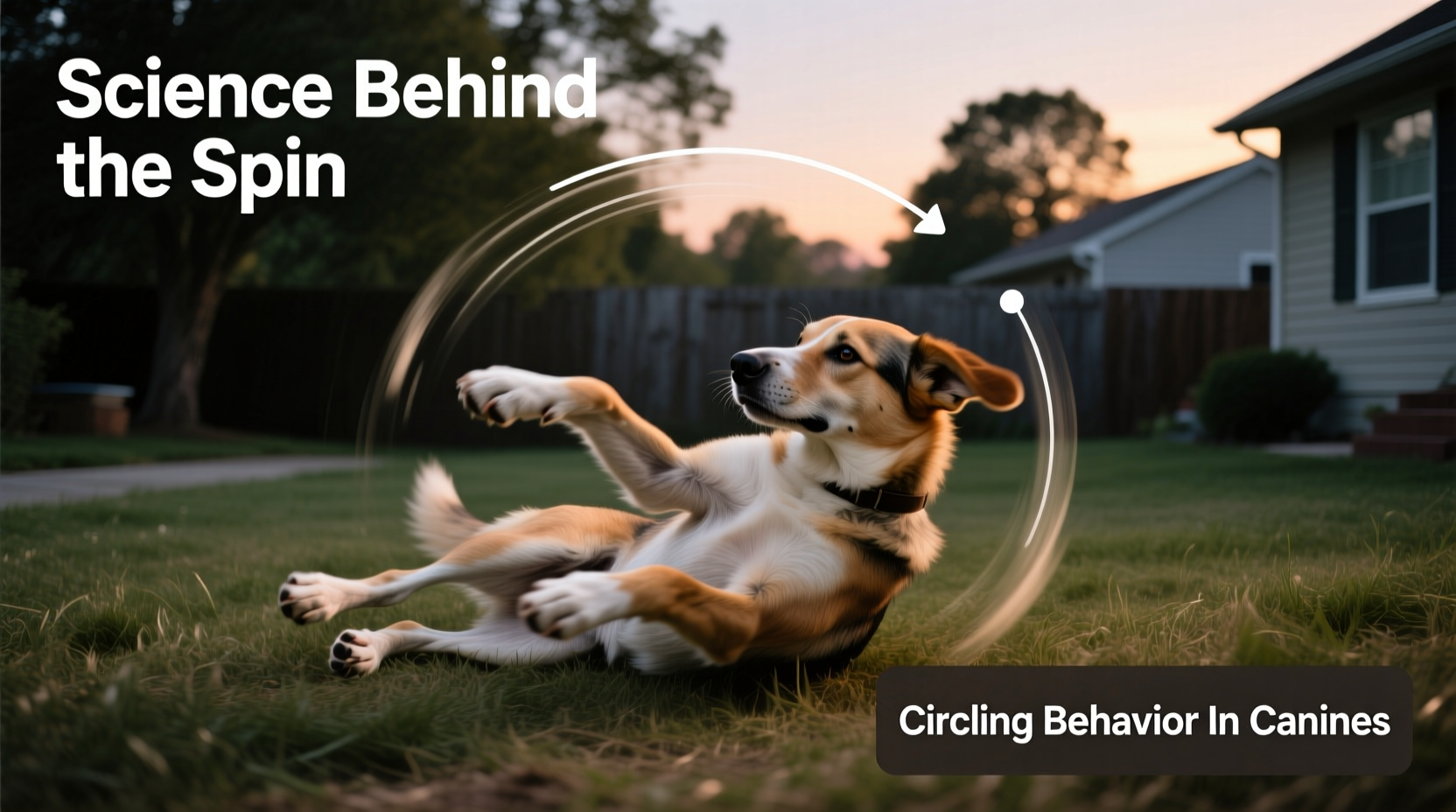
Long before dogs became household pets, their ancestors lived in the wild. Wolves, the closest relatives to domesticated dogs, displayed similar circling behavior before settling down. This action served multiple survival purposes in natural environments.
In grasslands or forest floors, tall grass, underbrush, and uneven terrain posed risks. By spinning, animals could flatten the vegetation, creating a makeshift bed that offered both comfort and concealment. More importantly, the motion helped detect hidden threats—snakes, insects, or sharp objects—that might be lurking beneath the surface.
This instinctual preparation ensured safety and optimized body positioning for a quick escape if danger approached during rest. Even though modern dogs sleep on plush carpets or orthopedic beds, the genetic programming remains intact. The behavior has been passed down through generations, preserved not by necessity but by biology.
“Circling before lying down is a vestigial behavior inherited from wild canids. It reflects an ancient need to prepare a safe sleeping space.” — Dr. Lena Torres, Canine Ethologist, University of Veterinary Sciences, Vienna
Sensory and Physical Reasons Behind the Spin
Beyond instinct, there are physiological explanations for this behavior. Dogs rely heavily on their sense of balance and spatial awareness, governed by the vestibular system in the inner ear. Spinning helps them orient themselves in space, aligning their body comfortably before lying down.
Additionally, the act of turning allows dogs to check their surroundings one final time. In the wild, exposing the vulnerable underside while sleeping required confidence in the immediate environment. A quick pivot enables visual and olfactory confirmation that the area is secure.
From a physical standpoint, circling also serves as a subtle muscle warm-up or cool-down. Just as humans stretch or adjust their posture before sitting, dogs use rotation to relieve tension in their joints and spine. This is particularly noticeable in older dogs or those with arthritis, who may perform slower, more deliberate turns.
How Circling Relates to Thermoregulation
In colder climates, wild canines would trample snow or compact leaves to insulate themselves from the cold ground. Conversely, in hot environments, they might dig or rotate to expose cooler soil beneath the surface. While today’s dogs don’t face extreme outdoor conditions regularly, the motion still plays a role in micro-adjustments for temperature control.
Some researchers suggest that the direction of the spin—clockwise or counterclockwise—might correlate with environmental cues like wind direction or sunlight exposure. Though not definitively proven, anecdotal evidence shows dogs often position themselves to minimize drafts or maximize warmth when choosing their resting spot.
When Circling Indicates Health Concerns
While occasional spinning is normal, excessive or obsessive circling can signal underlying medical issues. It's essential for pet owners to distinguish between routine behavior and potential red flags.
One common cause of abnormal circling is vestibular disease, which affects the dog’s balance system. Symptoms include dizziness, head tilting, stumbling, and persistent walking in circles unrelated to settling down. Older dogs are especially prone to idiopathic vestibular syndrome, which mimics stroke-like symptoms but often resolves within days.
Neurological disorders such as brain tumors, epilepsy, or canine cognitive dysfunction (similar to dementia in humans) can also manifest through repetitive movements. If your dog suddenly starts spinning without lying down afterward, appears disoriented, or shows changes in appetite or behavior, consult a veterinarian promptly.
Pain-related conditions, including hip dysplasia or spinal injuries, may alter how a dog positions itself. They might circle repeatedly trying to find a pain-free posture. Similarly, skin irritations or parasites like mites could cause discomfort, leading to agitation and unusual pre-sleep routines.
| Behavior Pattern | Normal? | Potential Concern |
|---|---|---|
| 1–3 rotations before lying down | Yes | None |
| Spins but doesn’t lie down | No | Anxiety, pain, neurological issue |
| Only spins in one direction | Sometimes | Vestibular disorder |
| Increased frequency with age | Possibly | Cognitive decline or joint pain |
| Circling accompanied by vocalization | No | Discomfort or distress |
Environmental Influences on Spinning Behavior
A dog’s surroundings significantly impact how—and how much—they spin before lying down. Surface texture, lighting, noise levels, and even social dynamics within the home play roles in shaping this routine.
On soft or unstable surfaces like thick rugs or memory foam, dogs may require fewer rotations because the material conforms easily to their body shape. On harder floors, they might spin more to achieve optimal alignment. Similarly, unfamiliar environments trigger heightened alertness, resulting in more cautious circling as the dog assesses safety.
Dogs living in multi-pet households may also modify their behavior based on hierarchy. Subordinate animals might delay lying down until dominant pets have settled, using repeated spins to buy time while appearing engaged in natural activity.
Interestingly, studies have shown that dogs tend to align their bodies along the north-south axis of Earth’s magnetic field when defecating—and some preliminary research suggests they may do the same when preparing to rest. While not yet fully understood, this geomagnetic sensitivity implies that circling could help dogs orient themselves relative to planetary fields, adding another layer to the complexity of the behavior.
Mini Case Study: Max, the Rescue Beagle
Max, a four-year-old beagle adopted from a rural shelter, exhibited intense circling behavior upon arrival at his new home. He would spin seven to ten times before lying down, sometimes whining during the process. His adoptive family initially dismissed it as eccentricity, but concern grew when Max began pacing at night.
After a veterinary examination, no physical abnormalities were found. However, a behavioral specialist noted signs of mild anxiety stemming from past instability. Max had likely slept in exposed areas outdoors, where thorough ground-checking was necessary for survival.
Through environmental enrichment—adding a raised cot bed, using calming pheromone diffusers, and establishing a consistent bedtime routine—Max’s circling gradually reduced to two or three turns. Within three months, he settled more quickly and showed improved sleep quality. This case highlights how instinctual behaviors can intensify under stress and respond positively to supportive care.
Practical Tips for Pet Owners
Understanding the reasons behind circling empowers owners to support their dogs’ needs effectively. Here are actionable steps to ensure your dog feels safe and comfortable without reinforcing compulsive patterns.
- Provide a designated sleeping area with consistent bedding to reduce uncertainty.
- Use orthopedic beds for senior dogs to ease joint strain and minimize adjustment attempts.
- Keep the resting zone free of loud noises, bright lights, and foot traffic.
- Monitor changes in frequency, duration, or associated behaviors over time.
- Introduce calming aids like weighted blankets or white noise machines if anxiety is suspected.
Checklist: When to Seek Veterinary Advice
- ✅ Sudden onset of constant circling without lying down
- ✅ Loss of coordination or balance after spinning
- ✅ Head tilt, nausea, or eye twitching (nystagmus)
- ✅ Behavioral shifts: increased aggression, confusion, or withdrawal
- ✅ Repetitive motions occurring throughout the day, not just before rest
Frequently Asked Questions
Is it bad if my dog spins too much before lying down?
Not necessarily. Most dogs spin 1–3 times, but individual variation exists. If the behavior doesn’t interfere with rest and isn’t accompanied by distress signals, it’s likely normal. However, dramatic increases should be evaluated by a vet.
Can I train my dog to stop spinning?
You shouldn't try to eliminate this natural behavior entirely. Instead, focus on creating a secure environment so the dog feels less compelled to “check” the area excessively. Training should aim at reducing anxiety, not suppressing instinct.
Do all dog breeds spin equally?
Most do, though some herding or working breeds may display more pronounced rituals due to higher alertness traits. Smaller breeds and toy dogs often make quicker, shallower turns compared to larger, heavier dogs who need more precise positioning.
Conclusion: Respecting Instinct, Recognizing Signals
The simple act of spinning before lying down encapsulates the remarkable blend of instinct, adaptation, and individuality that defines canine behavior. What may appear as a trivial quirk is, in fact, a window into millions of years of evolution and the intricate ways dogs interact with their world.
As pet owners, our role isn’t to correct every odd habit but to observe, understand, and respond appropriately. Celebrate the normalcy of circling as a testament to your dog’s natural heritage. At the same time, remain vigilant for deviations that might indicate discomfort or illness.
By combining empathy with knowledge, you create a safer, more supportive environment where your dog can rest easy—after exactly as many spins as they need.




 浙公网安备
33010002000092号
浙公网安备
33010002000092号 浙B2-20120091-4
Comments
No comments yet. Why don't you start the discussion?