
Dog owners often observe their pets engaging in peculiar pre-poop rituals—sniffing intently, kicking at the ground, or spinning in tight circles before finally squatting. While these behaviors may seem random or even comical, they are deeply rooted in evolutionary instincts and serve practical purposes. Among the most common and curious of these habits is circling. Understanding why dogs spin before defecating offers insight into their natural instincts, sensory perception, and even health. This article explores the science and psychology behind this behavior, separates myth from fact, and provides guidance on when such actions might signal a concern.
The Evolutionary Roots of Circling Behavior
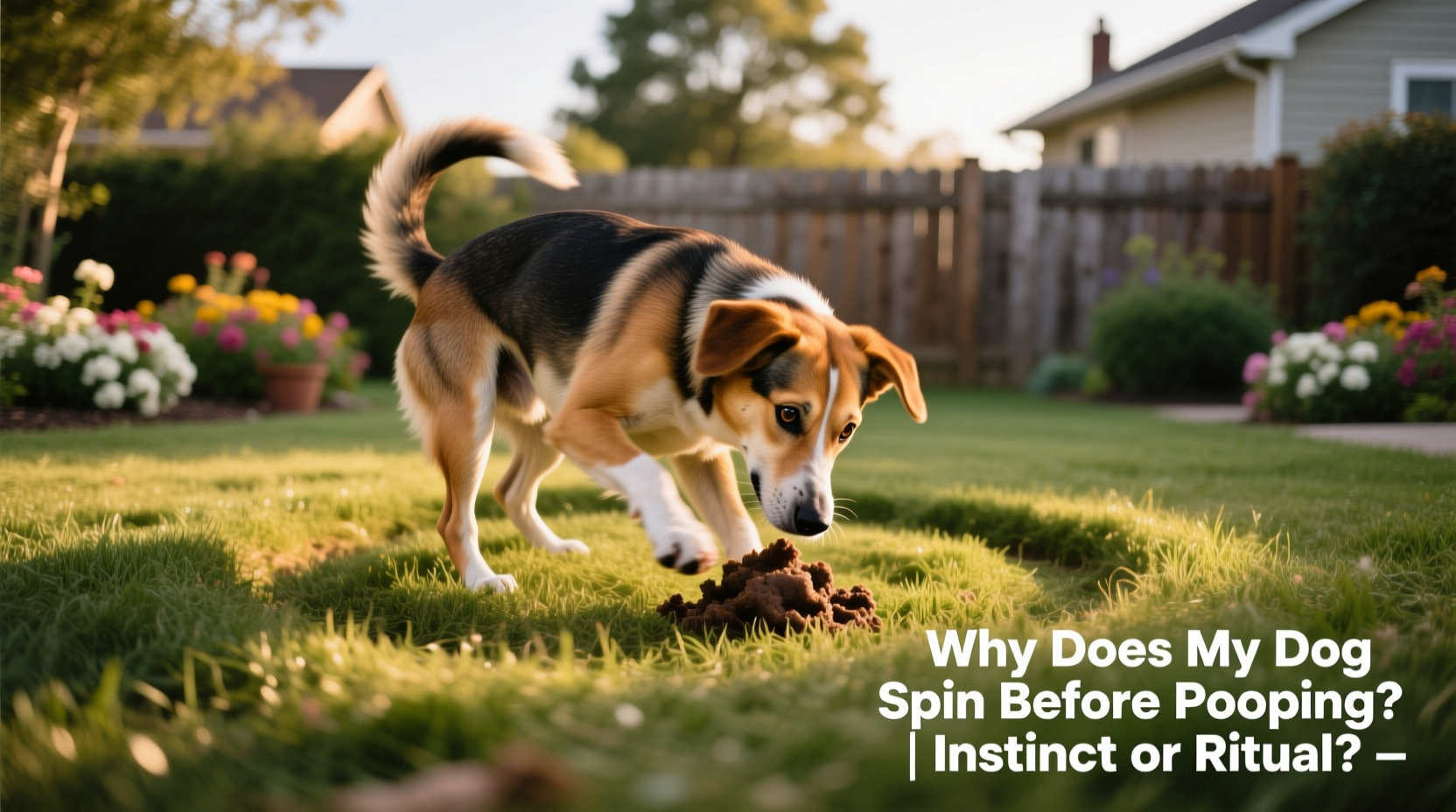
Circling before elimination is not unique to domesticated dogs—it’s observed in wild canids like wolves, coyotes, and foxes. In the wild, safety and efficiency are paramount. Before settling down to relieve themselves, animals must ensure their surroundings are secure. Spinning allows a dog to scan the area for potential threats, such as predators or rival animals, while simultaneously flattening tall grass or snow to create a more comfortable and hygienic spot.
This behavior likely evolved from survival needs. A vulnerable position during defecation increases risk, so checking the perimeter by turning in place helps assess visibility and escape routes. Additionally, flattening vegetation reduces the chance of parasites or debris clinging to the dog’s fur after elimination.
“Circling is an inherited behavior from wild ancestors. It’s not just about comfort—it’s about environmental assessment and safety.” — Dr. Lena Peterson, Canine Ethologist, University of Colorado
Sensory and Physical Reasons Behind the Spin
Beyond instinct, dogs rely heavily on their senses to navigate the world. The act of spinning may also be linked to their acute sense of smell and sensitivity to magnetic fields.
Recent studies suggest that dogs may align themselves with the Earth’s magnetic field when eliminating. A 2013 study published in *Frontiers in Zoology* found that dogs prefer to orient their body axis along the north-south magnetic line during defecation, especially under calm geomagnetic conditions. Spinning could help them “calibrate” their internal compass to achieve this alignment, possibly aiding spatial awareness or territorial marking consistency.
Additionally, circling may serve a physical function. By walking in tight circles, dogs stimulate their bowels through subtle muscle contractions and balance adjustments. This minor physical activity may help them find the optimal posture for complete evacuation, minimizing discomfort or strain.
Communication and Territorial Marking
Dogs are highly social animals that communicate extensively through scent. Defecation is not merely a biological necessity; it’s a form of chemical messaging. Feces contain pheromones and information about the dog’s identity, diet, health, and reproductive status. Before depositing this message, dogs often circle to evaluate existing scents in the area.
By sniffing and turning, they determine whether the location already carries strong signals from other dogs. They may choose to overwrite a rival’s scent or avoid a dominant animal’s marking altogether. Foot padding during and after elimination further disperses scent from glands in the paws, reinforcing territorial claims.
In multi-dog households or busy parks, this behavior becomes more pronounced. Dogs may circle longer or more deliberately when navigating complex scent landscapes, effectively deciding where and how to “sign” their presence.
When Circling Might Signal a Health Issue
While occasional spinning is normal, significant changes in this behavior warrant attention. Excessive circling, difficulty squatting, vocalizing, or signs of pain during elimination could indicate underlying medical problems.
Potential causes include:
- Orthopedic issues: Arthritis or hip dysplasia can make positioning painful, leading to hesitation or repeated attempts to find a comfortable stance.
- Gastrointestinal discomfort: Constipation, diarrhea, or anal gland impaction may cause restlessness before or after defecation.
- Neurological disorders: Vestibular disease or spinal cord issues can impair balance, making coordinated movement difficult.
- Cognitive dysfunction: Older dogs with canine cognitive decline may repeat behaviors without purpose, including prolonged circling.
Monitor the frequency, duration, and context of your dog’s spinning. If it increases suddenly or is accompanied by other symptoms—such as straining, blood in stool, or reluctance to move—seek veterinary evaluation promptly.
Checklist: When to Worry About Pre-Poop Circling
- Spins more than 5–6 times consistently (previously spun only once or twice)
- Shows signs of pain: whining, trembling, or stiffness
- Takes significantly longer to defecate than usual
- Avoids going altogether despite clear need
- Appears disoriented or wobbly during or after spinning
- Has accidents indoors after previously being reliable
Environmental Influences on Elimination Rituals
A dog’s environment plays a major role in shaping bathroom behavior. Urban dogs, for instance, may have limited access to natural terrain and face constant sensory overload from traffic, noise, and other animals. This can lead to rushed or anxious elimination patterns—or conversely, overly meticulous circling as they search for a “safe” spot.
In contrast, rural or outdoor-access dogs often have more space and time to follow instinctual routines. They may spin less if the area is familiar and secure, or more if new scents trigger investigation.
Training and routine also influence behavior. Dogs accustomed to specific walk times and locations may develop consistent rituals. Disruptions—like moving homes, visiting new parks, or encountering unfamiliar dogs—can temporarily alter their pre-poop habits.
| Environment Type | Typical Circling Behavior | Contributing Factors |
|---|---|---|
| Urban/Suburban | Shorter, quicker spins; sometimes skipped | Limited space, distractions, time pressure |
| Rural/Open Space | Longer, deliberate circling | Natural terrain, fewer interruptions |
| Multi-Dog Household | Increased sniffing and repositioning | Competition, scent hierarchy |
| Indoor/Puppy Pad Use | Less circling; possible pacing | Artificial surface, confined area |
Real-Life Example: Max the Border Collie
Max, a 4-year-old Border Collie living in downtown Seattle, began spinning excessively before pooping—sometimes up to ten full rotations. His owner, Sarah, initially dismissed it as quirkiness. But when Max started avoiding walks and yelping mid-squat, she consulted a veterinarian.
Examination revealed mild hip dysplasia exacerbated by cold, wet weather. The vet explained that Max was trying to find a position that minimized joint strain, hence the prolonged circling. After starting a regimen of anti-inflammatory medication, joint supplements, and heated bedding, Max’s circling decreased significantly within three weeks. He resumed his usual one- to two-spin routine and became more eager to go on walks.
This case highlights how a normal behavior can become exaggerated due to physical discomfort—and how attentive observation can lead to early intervention.
Frequently Asked Questions
Is it normal for dogs to spin multiple times before pooping?
Yes, it’s normal for dogs to spin one to three times before defecating. This behavior stems from instinctual habits related to safety, scent marking, and comfort. However, spinning more than five times regularly—or showing signs of distress—may indicate a medical or environmental issue worth investigating.
Do all dog breeds circle before pooping?
Most dogs exhibit some form of pre-defecation ritual, though the intensity varies. Herding breeds like Border Collies and German Shepherds may be more methodical, while smaller or toy breeds might skip circling altogether, especially in constrained environments. Individual personality and training also play roles.
Can I train my dog to stop spinning before pooping?
You shouldn’t try to eliminate this natural behavior unless it’s excessive or linked to anxiety or pain. Instead, focus on creating a calm, predictable elimination environment. If circling interferes with house-training or public walks, consult a professional trainer or vet to rule out underlying causes rather than suppressing the behavior outright.
Supporting Your Dog’s Natural Habits
Respecting your dog’s instincts doesn’t mean tolerating endless delays on walks. You can support healthy elimination habits by providing consistent routines, safe spaces, and proper physical care.
Ensure your dog gets adequate exercise, as movement stimulates digestion. Allow sufficient time during potty breaks—rushing can lead to incomplete evacuation or stress. On walks, let your dog sniff and investigate within reason; this satisfies their need to assess the environment before eliminating.
For older or arthritic dogs, consider non-slip surfaces, heated pads in winter, and shorter, more frequent walks to reduce strain. Regular vet checkups help catch issues early, ensuring that normal behaviors don’t mask developing conditions.
Conclusion: Embracing the Quirks of Canine Nature
The next time your dog spins in tight circles before pooping, remember—it’s not a random habit but a window into thousands of years of evolution. From scanning for predators to aligning with the Earth’s magnetic field, these small acts are packed with meaning. While modern life has changed much about how dogs live, their instincts remain deeply wired.
By understanding and respecting these behaviors, you strengthen your bond with your pet and become a more observant, compassionate caregiver. Pay attention, stay informed, and don’t hesitate to seek help if something feels off. After all, every spin tells a story.




 浙公网安备
33010002000092号
浙公网安备
33010002000092号 浙B2-20120091-4
Comments
No comments yet. Why don't you start the discussion?