
One day you're feeling balanced and focused; the next, a minor comment from a coworker sends you into tears or irritation. If this sounds familiar, you're not alone. Sudden mood swings before or during your period affect millions of people who menstruate. These shifts aren’t just “in your head” — they’re rooted in complex hormonal, neurological, and lifestyle factors. Understanding the science behind these changes is the first step toward managing them effectively. This article breaks down what causes sudden period-related mood swings and offers actionable, evidence-based strategies to regain emotional stability throughout your cycle.
The Hormonal Roller Coaster Behind Mood Swings
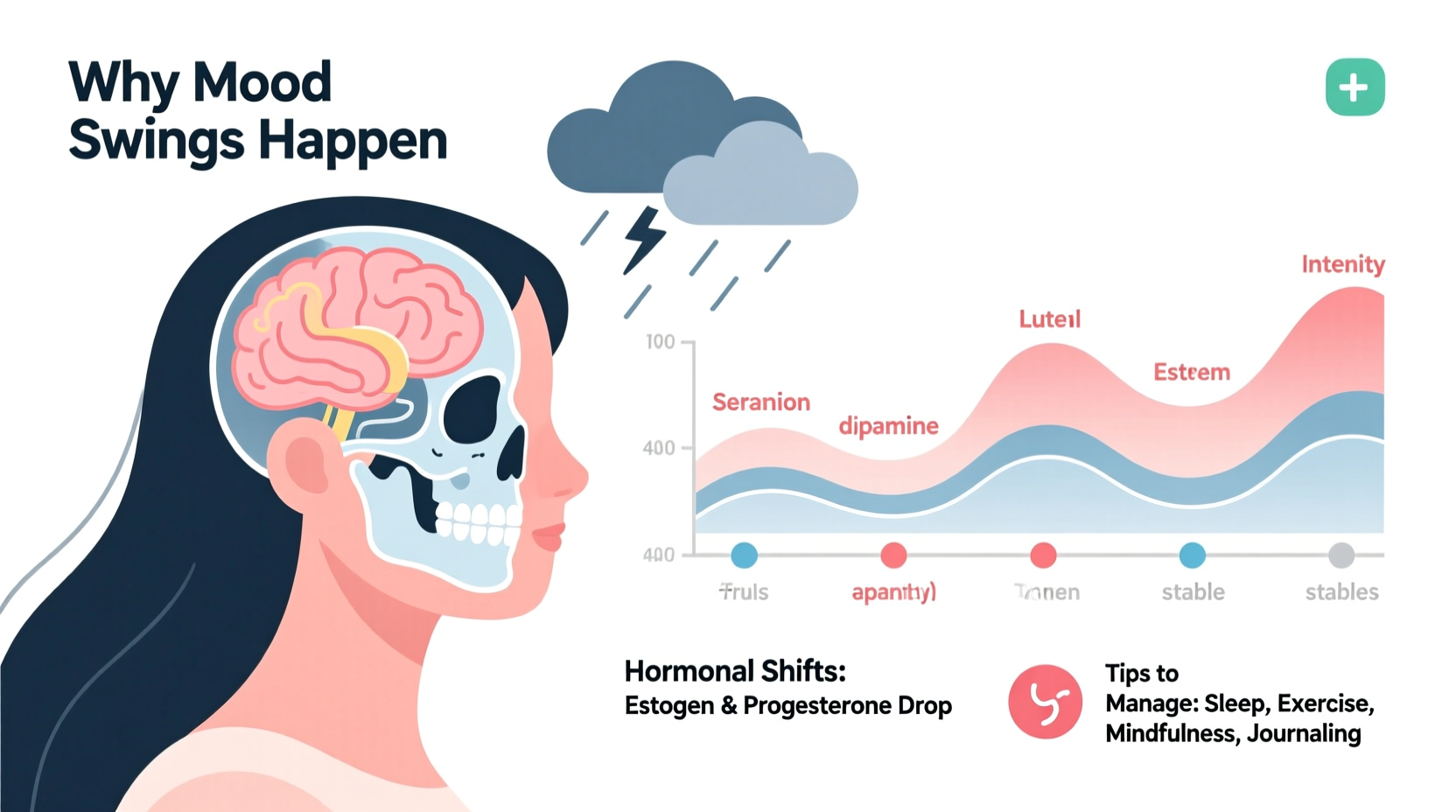
Your menstrual cycle is governed by a delicate interplay of hormones, primarily estrogen and progesterone. These fluctuate significantly across the four phases: menstruation, follicular phase, ovulation, and luteal phase. The most dramatic emotional shifts typically occur in the late luteal phase — the days leading up to your period — when both estrogen and progesterone levels drop sharply after peaking mid-cycle.
This hormonal decline directly affects brain chemistry. Estrogen helps regulate serotonin, dopamine, and norepinephrine — neurotransmitters responsible for mood, motivation, and stress response. When estrogen plummets, so can serotonin, leading to irritability, sadness, or anxiety. Progesterone, while calming in moderate amounts, can increase sensitivity to stress when its metabolites interact with GABA receptors, especially as levels fall.
“Hormonal fluctuations don’t cause mood disorders, but they can unmask underlying vulnerabilities or amplify emotional reactivity in otherwise healthy individuals.” — Dr. Laura Chen, Reproductive Psychiatrist
For some, these changes are mild. For others, they manifest as premenstrual syndrome (PMS) or, more severely, premenstrual dysphoric disorder (PMDD), which affects 3–8% of menstruating individuals and includes symptoms like severe depression, panic attacks, and feelings of hopelessness.
Why Do Mood Swings Feel So Sudden?
You might notice that mood shifts during your period don’t creep in gradually — they hit fast and hard. Several factors explain this abruptness:
- Rapid hormone drops: A steep decline in progesterone within 24–48 hours before menstruation can trigger immediate emotional instability.
- Sleep disruption: Lower progesterone reduces production of allopregnanolone, a neurosteroid that promotes deep sleep. Poor sleep lowers emotional resilience.
- Increased stress sensitivity: Fluctuating hormones heighten amygdala activity — the brain’s fear center — making you more reactive to everyday stressors.
- Low blood sugar and fatigue: Menstrual blood loss and metabolic changes can reduce energy, impairing emotional regulation.
These factors combine to create a perfect storm where small triggers — a delayed text, traffic, or a full inbox — feel overwhelming. It’s not that you’re overreacting; your brain is temporarily less equipped to modulate emotions.
Effective Strategies to Manage Period Mood Swings
While you can’t stop your hormones from fluctuating, you can influence how your body and mind respond. Here are proven, practical approaches to stabilize your mood across your cycle.
1. Prioritize Blood Sugar Balance
Cravings for sugar and carbs before your period are common, but indulging them can worsen mood swings. Spikes and crashes in blood glucose destabilize energy and amplify irritability.
“Maintaining steady blood sugar is one of the most underrated tools for emotional balance during the luteal phase.” — Dr. Nadia Patel, Functional Nutritionist
Eat balanced meals every 3–4 hours with protein, healthy fats, and fiber. Examples include Greek yogurt with nuts, grilled chicken with quinoa and vegetables, or avocado on whole-grain toast with a boiled egg.
2. Adjust Exercise Timing and Type
Exercise boosts endorphins and regulates cortisol, but the type matters. During the high-hormone luteal phase, intense workouts may increase physical stress if recovery is inadequate.
In the week before your period, shift toward low-impact activities: walking, yoga, swimming, or Pilates. These support circulation, reduce bloating, and calm the nervous system without overtaxing the body.
3. Increase Key Nutrients
Certain micronutrients play critical roles in mood regulation and are often depleted during menstruation:
| Nutrient | Role in Mood Regulation | Best Food Sources |
|---|---|---|
| Magnesium | Supports GABA function, reduces anxiety and insomnia | Pumpkin seeds, spinach, almonds, dark chocolate |
| Vitamin B6 | Aids serotonin and dopamine synthesis | Chickpeas, salmon, bananas, potatoes |
| Omega-3 Fatty Acids | Reduce inflammation linked to depressive symptoms | Fatty fish, flaxseeds, chia seeds, walnuts |
| Iron | Prevents fatigue and brain fog from blood loss | Lean red meat, lentils, tofu, fortified cereals |
Consider a high-quality multivitamin or targeted supplement, especially if blood tests show deficiencies. Always consult a healthcare provider before starting supplements.
4. Practice Cognitive Reframing
When a wave of anger or sadness hits, pause and ask: “Is this emotion about what’s happening now, or is my cycle amplifying it?” Labeling the mood swing as hormonally influenced can create psychological distance, reducing guilt and self-criticism.
Use grounding techniques: breathe deeply for 60 seconds, name five things you see, or splash cold water on your face. These interrupt the stress response and restore cognitive control.
Step-by-Step Guide: Managing Mood Across Your Cycle
Emotional management isn’t about fixing symptoms at the last minute. A proactive, cycle-synced approach yields better results. Follow this timeline to stay ahead of mood swings:
- Days 1–5 (Menstruation): Honor low energy. Rest, hydrate, eat warm, iron-rich foods. Begin tracking mood and symptoms.
- Days 6–14 (Follicular Phase): Energy rises. Focus on strength training, social plans, and goal setting. Build habits now for tougher weeks.
- Day 14 (Ovulation): Peak estrogen. You may feel confident and social. Use this momentum to tackle challenging tasks.
- Days 15–28 (Luteal Phase): Hormones rise, then fall. Start magnesium and B6 supplementation. Reduce caffeine and alcohol. Schedule relaxing activities.
- Final 5 Days (Pre-Menstrual): Implement emotional safeguards. Communicate needs to loved ones. Limit decision-making and conflict-prone situations.
This rhythm aligns lifestyle choices with biological reality, reducing the impact of hormonal shifts.
Real-Life Example: How Sarah Regained Control
Sarah, a 32-year-old project manager, used to dread the week before her period. She’d cry during meetings, snap at her partner, and feel paralyzed by anxiety. After months of confusion, she started tracking her cycle using a symptom journal. Within two cycles, a clear pattern emerged: mood dips began exactly seven days before her period, coinciding with fatigue and sugar cravings.
With guidance from her doctor, she adjusted her diet to include more protein and leafy greens, started taking 300mg of magnesium glycinate nightly, and switched evening spin classes to restorative yoga. She also began sharing her cycle dates with her partner, asking for extra patience during vulnerable days.
Within three months, her emotional volatility decreased by over 70%. “I still feel shifts,” she says, “but now I see them coming and have tools. I’m no longer afraid of my own emotions.”
Checklist: Daily Habits to Reduce Period Mood Swings
Consistency is key. Integrate these actions into your routine, especially in the second half of your cycle:
- ✅ Eat protein with every meal
- ✅ Drink 2+ liters of water daily
- ✅ Take magnesium (200–400mg) at bedtime
- ✅ Limit caffeine to one cup before noon
- ✅ Practice 10 minutes of mindfulness or deep breathing
- ✅ Move your body for at least 30 minutes (gentle preferred pre-period)
- ✅ Write down one positive experience each day
- ✅ Avoid scheduling high-stress events in the final week of your cycle
Frequently Asked Questions
Can birth control help with period mood swings?
Yes, for some. Combined oral contraceptives can stabilize hormone levels and reduce PMS symptoms by preventing ovulation. However, others report worsened mood, particularly with progestin-dominant formulations. Response varies — discuss options with your doctor and consider non-hormonal methods if mood side effects occur.
How is PMDD different from regular PMS?
PMS includes mild physical and emotional symptoms like bloating, irritability, or fatigue. PMDD is a clinical diagnosis involving severe depression, anxiety, or suicidal thoughts that significantly impair daily functioning. It requires medical evaluation and may be treated with SSRIs, even taken only during the luteal phase.
Are mood swings during my period normal?
Some degree of emotional fluctuation is normal due to hormonal shifts. However, if mood swings interfere with relationships, work, or self-esteem, they’re worth addressing. Normal doesn’t mean inevitable — you deserve relief and stability.
Take Charge of Your Cycle, Not Just Survive It
Sudden period mood swings are not a personal failing — they’re a physiological signal. By understanding the interplay between hormones, nutrition, and mental health, you gain the power to respond with compassion and strategy, not shame. Small, consistent changes in diet, movement, and mindset can dramatically improve emotional resilience.
Your cycle doesn’t have to dictate your quality of life. Start today: track your symptoms, adjust one habit, or talk to a trusted professional. Every step you take builds greater awareness and control. Share your experience, advocate for better menstrual health education, and remember — managing your mood isn’t about suppressing emotions, but honoring your body’s rhythms with intelligence and care.




 浙公网安备
33010002000092号
浙公网安备
33010002000092号 浙B2-20120091-4
Comments
No comments yet. Why don't you start the discussion?