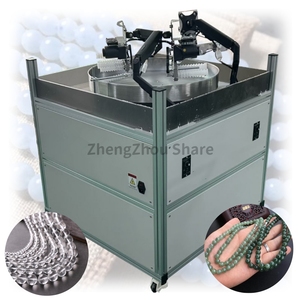
Automatic Bead Stringing Machine Producer





 0
0




 1/3
1/3


 1/3
1/3


 1/3
1/3





 1/13
1/13


 1/14
1/14

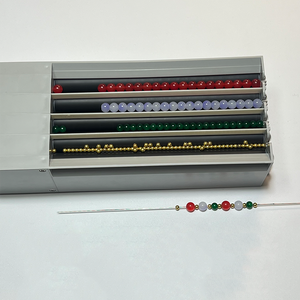
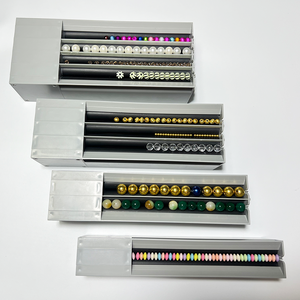
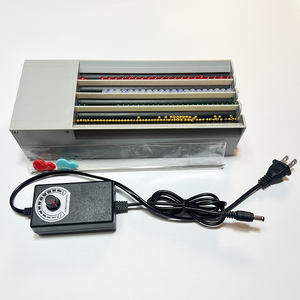
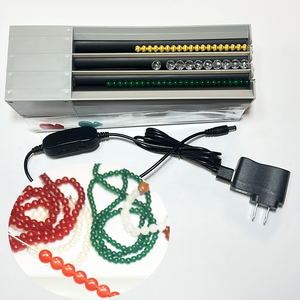
 1/3
1/3


 1/3
1/3


 1/3
1/3


 1/3
1/3


 1/2
1/2



 0
0


 0
0

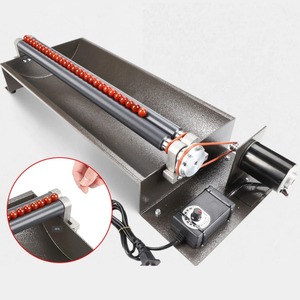
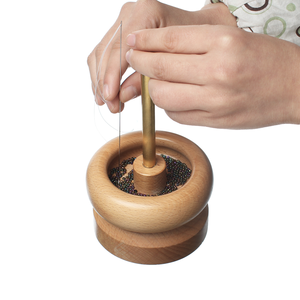
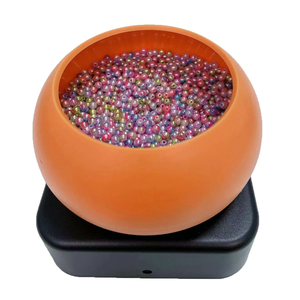 1/21
1/21

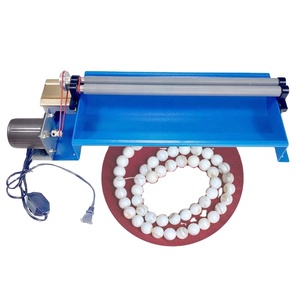


 1/16
1/16


 1/3
1/3


 0
0





 1/3
1/3

 0
0
About automatic bead stringing machine producer
Where to Find Automatic Bead Stringing Machine Producers?
China remains the central hub for automatic bead stringing machine manufacturing, with concentrated production clusters in Zhejiang and Guangdong provinces. These regions host specialized light industrial automation suppliers that benefit from mature electronics and precision mechanics ecosystems. Zhejiang’s Ningbo and Wenzhou zones focus on high-speed assembly automation, leveraging proximity to servo motor and sensor component manufacturers. Guangdong’s Shenzhen and Dongguan districts offer advanced R&D integration, particularly in programmable logic control (PLC) systems and human-machine interface (HMI) optimization.
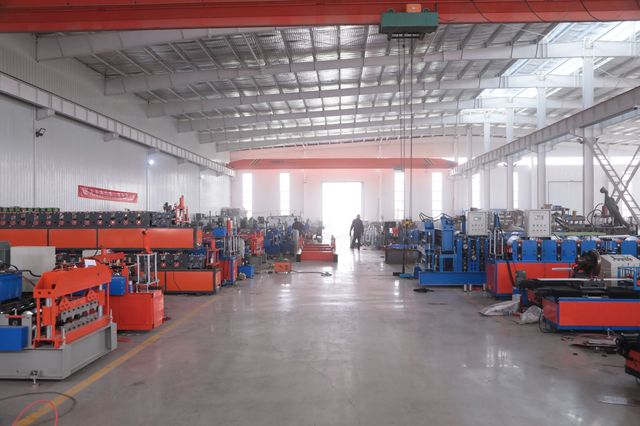
The industrial clusters support vertically integrated production, enabling rapid prototyping and scalable output. Localized supply chains reduce material procurement cycles by 25–40% compared to offshore alternatives. Facilities typically maintain in-house capabilities for CNC machining, sheet metal fabrication, and electrical panel assembly, ensuring tighter quality control. Buyers can expect standard lead times of 25–40 days for bulk orders, with MOQs ranging from 1 to 5 units depending on customization level. Cost advantages are significant—up to 35% lower than equivalent European or North American-built machines—due to optimized labor efficiency and domestic component sourcing.
How to Choose Automatic Bead Stringing Machine Producers?
Implement structured evaluation criteria to ensure technical and operational reliability:
Quality Management Compliance
Confirm ISO 9001 certification as a baseline requirement for systematic quality control. For exports to regulated markets, verify CE marking compliance, particularly adherence to Machinery Directive 2006/42/EC and EMC Directive 2014/30/EU. Request test reports for safety interlocks, emergency stop functionality, and electrical insulation resistance.
Production Capacity Verification
Assess infrastructure maturity through key indicators:
- Minimum factory area of 2,000m² to support dedicated assembly lines
- In-house engineering team comprising at least 8–12% of total staff
- CNC machining, laser cutting, and automated wiring capabilities
Correlate facility scale with documented on-time delivery performance (target ≥97%) to validate production consistency.
Risk Mitigation in Transactions
Utilize secure payment structures such as letter of credit or escrow services until post-arrival inspection is completed. Review supplier transaction history for resolved disputes and warranty fulfillment rates. Pre-shipment testing is critical—request live operation videos or third-party inspection reports verifying stringing accuracy (±0.5mm tolerance), cycle time (typically 2–5 seconds per bead set), and jam recovery response.
What Are the Best Automatic Bead Stringing Machine Producers?
No verified supplier data is currently available for automatic bead stringing machine producers. Due to the absence of confirmed company profiles, facility metrics, and performance benchmarks, direct comparisons cannot be made. Procurement professionals should prioritize initial due diligence through factory audits, sample validation, and certification verification before engaging in formal contracts.
Procurement Strategy in Low-Data Environments
In the absence of established supplier rankings, buyers must proactively identify qualified manufacturers via industry exhibitions (e.g., China International Light Industry Fair), technical registries, and trade association directories. Focus on firms demonstrating documented experience in small-part automation, textile machinery, or jewelry manufacturing equipment. Prioritize those offering detailed technical documentation, including CAD drawings, PLC code access, and maintenance protocols. Conduct video-based facility walkthroughs to confirm equipment calibration standards and workforce training procedures.
FAQs
How to verify automatic bead stringing machine producer reliability?
Validate certifications through official databases and request audit trails covering raw material sourcing, welding/electrical workmanship, and final assembly inspections. Obtain references from existing clients in similar production environments and assess feedback on uptime, spare parts availability, and technical support responsiveness.
What is the typical sampling timeline?
Standard sample production takes 18–30 days, depending on feature complexity. Machines with multi-lane configurations or vision-guided alignment systems may require up to 45 days. Add 7–12 days for international air freight. Sample costs typically range from 1.5x to 2.5x unit price, partially refundable upon order confirmation.
Can producers ship globally?
Yes, experienced manufacturers manage worldwide logistics via FOB, CIF, or DDP terms. Ensure export packaging meets ISTA 3A standards for vibration and shock resistance. Confirm compatibility with local voltage (110V/220V) and frequency (50Hz/60Hz) requirements prior to shipment.
Do manufacturers offer free samples?
Free samples are uncommon due to custom configuration requirements. Some suppliers waive sample fees for confirmed orders exceeding 10 units. Others apply full sample charges but credit the amount against future purchases.
How to initiate customization requests?
Submit detailed specifications including bead diameter range (1–20mm typical), stringing speed (units per minute), material type (glass, plastic, wood, gemstone), and tension control requirements. Reputable producers provide feasibility assessments within 5 business days and deliver functional prototypes within 4–6 weeks.





