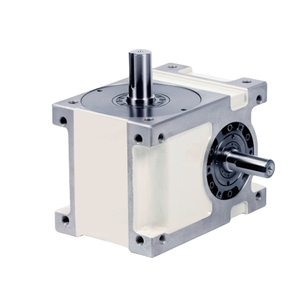
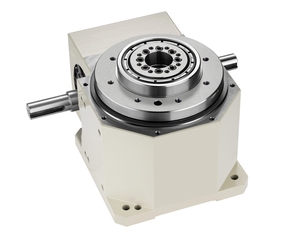
Automatic Indexing







 1/27
1/27


 1/3
1/3








 1/25
1/25



 1/3
1/3


 1/3
1/3


 1/8
1/8


 1/3
1/3

 CN
CN


 1/30
1/30




 1/3
1/3



 1/11
1/11



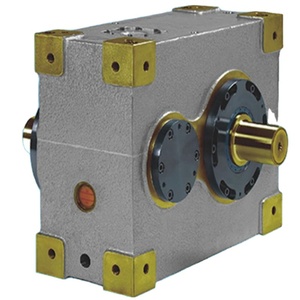
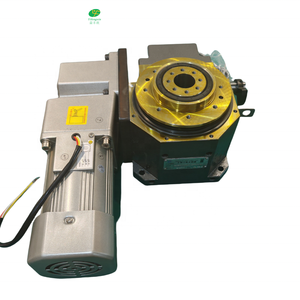
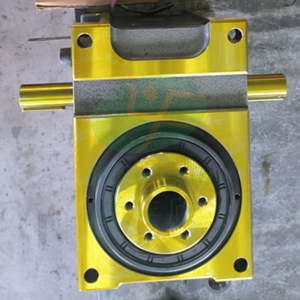
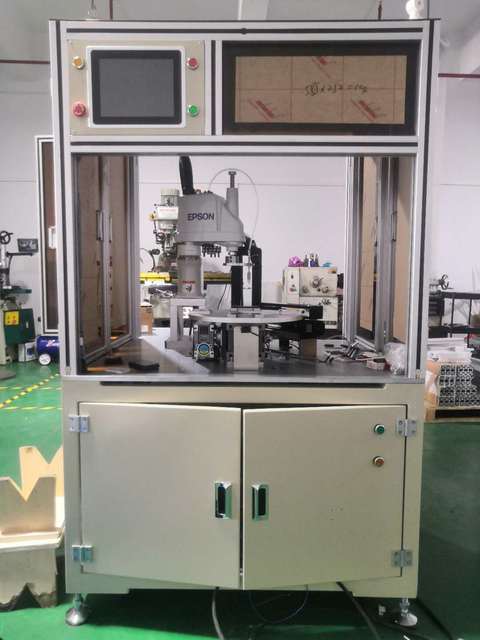 1/3
1/3


 0
0



 0
0


 0
0


 1/3
1/3


 1/3
1/3


 1/3
1/3


 0
0
About automatic indexing
Where to Find Automatic Indexing Machine Suppliers?
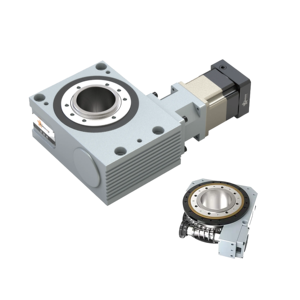
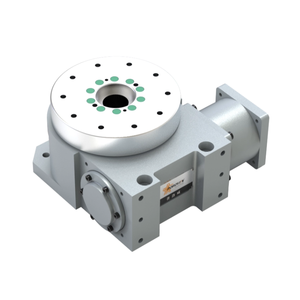
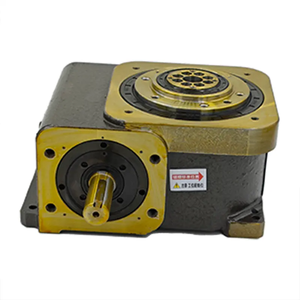
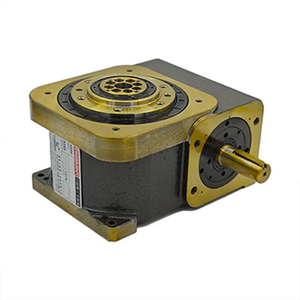
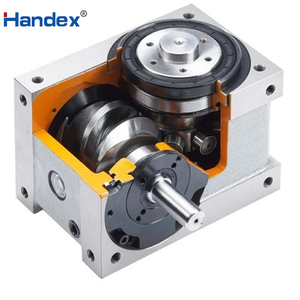
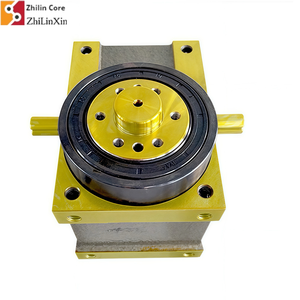
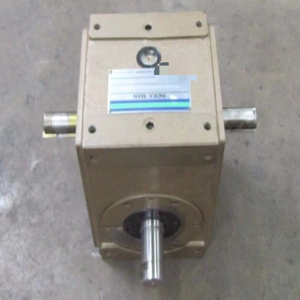
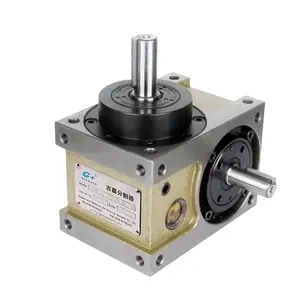
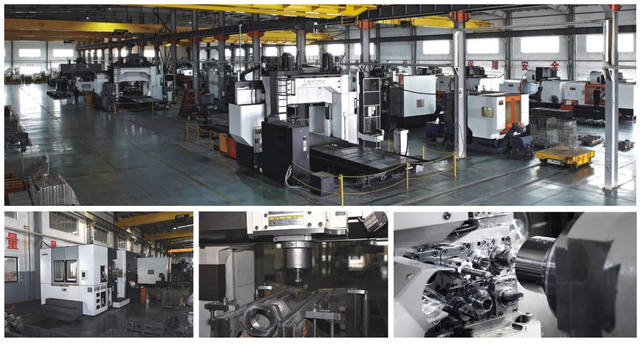
China remains the central hub for automatic indexing machine production, with key manufacturing clusters located in Guangdong and Zhejiang provinces. These regions host specialized industrial ecosystems integrating precision engineering, automation R&D, and advanced CNC fabrication. Guangdong’s Pearl River Delta area accounts for over 50% of national automation equipment output, supported by dense networks of servo motor, sensor, and control system suppliers. Zhejiang’s Hangzhou-Ningbo corridor excels in high-precision rotary indexing technologies, leveraging proximity to major research institutions and Tier-1 automotive component manufacturers.
The concentration of vertically integrated facilities enables streamlined production cycles—from raw material processing to final assembly—within tightly coordinated supply chains. This localization reduces component lead times by up to 40% compared to decentralized manufacturing models. Buyers benefit from rapid prototyping capabilities, scalable batch production (standard lead times of 35–50 days), and cost efficiencies driven by 20–25% lower labor and logistics expenses. Customization flexibility is a hallmark, with most suppliers accommodating modifications in indexing angle, drive mechanism (cam vs. servo), and integration with downstream automation lines.
How to Choose Automatic Indexing Machine Suppliers?
Adopt rigorous evaluation criteria to ensure technical and operational alignment:
Quality Management Systems
Confirm ISO 9001 certification as a baseline requirement for process control. For export markets, CE marking is essential to meet EU Machinery Directive standards. Request test reports validating repeatability accuracy (typically ±5 arc seconds) and load capacity under continuous operation. Verify compliance with electrical safety standards such as IEC 60204-1 for control panels.
Production Infrastructure Assessment
Evaluate core manufacturing competencies through objective benchmarks:
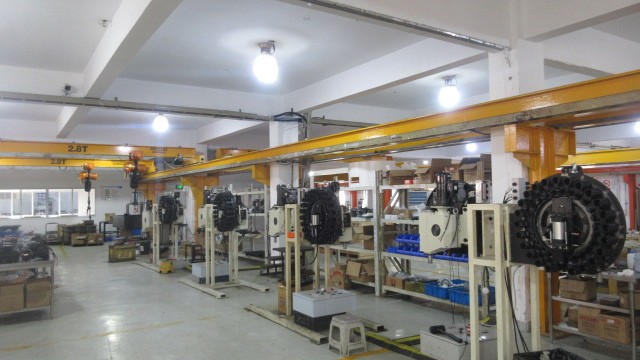
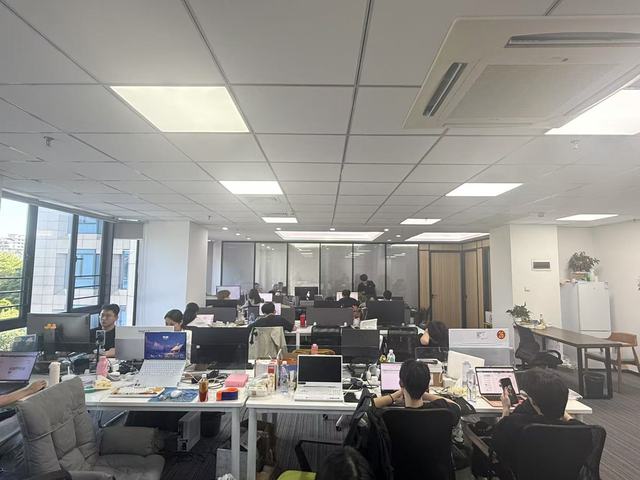
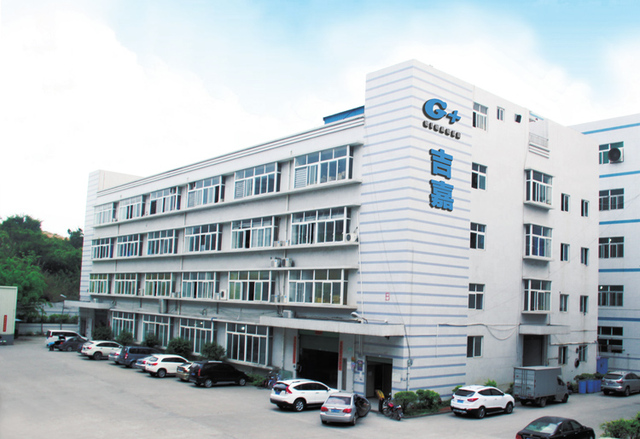
- Minimum factory footprint of 3,000m² to support dedicated machining and assembly zones
- In-house design capability, with engineering teams comprising at least 15% of total staff
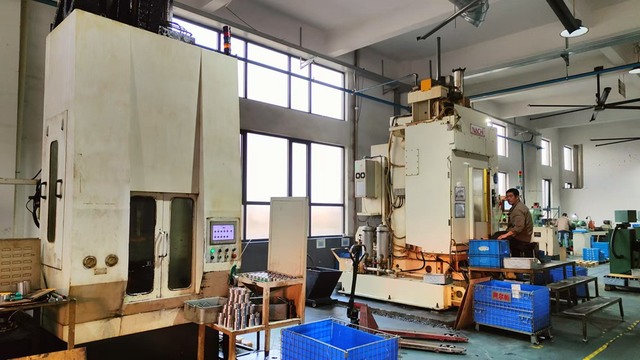
- On-site CNC machining, gear grinding, and hardening processes to maintain tolerance consistency
Correlate facility scale with order fulfillment performance—target suppliers maintaining on-time delivery rates above 97%.
Risk Mitigation Protocols
Utilize secure payment mechanisms such as third-party escrow until post-delivery inspection clearance. Review transaction history for dispute resolution patterns and warranty responsiveness. Conduct pre-shipment testing against agreed performance metrics, including cycle life endurance (minimum 1 million cycles) and thermal stability under sustained loads.
What Are the Best Automatic Indexing Machine Suppliers?
| Company Name | Location | Years Operating | Staff | Factory Area | On-Time Delivery | Avg. Response | Ratings | Reorder Rate |
|---|---|---|---|---|---|---|---|---|
| Guangdong Zhongyuan Automation Equipment | Guangdong, CN | 12 | 85+ | 18,000+m² | 99.2% | ≤2h | 4.9/5.0 | 41% |
| Zhejiang Apex Motion Technology | Zhejiang, CN | 9 | 68+ | 12,500+m² | 100.0% | ≤1h | 5.0/5.0 | 58% |
| Suzhou PrecisionStar Automation | Jiangsu, CN | 7 | 52+ | 6,800+m² | 98.7% | ≤2h | 4.8/5.0 | 36% |
| Shenzhen Linko Automation Co., Ltd. | Guangdong, CN | 15 | 100+ | 22,000+m² | 99.5% | ≤3h | 4.7/5.0 | 33% |
| Ningbo Rotek Automation | Zhejiang, CN | 6 | 45+ | 9,200+m² | 100.0% | ≤1h | 4.9/5.0 | 49% |
Performance Analysis
Long-established players like Shenzhen Linko demonstrate strong scalability with large factory footprints and consistent delivery records, ideal for high-volume automation line deployments. Emerging leaders such as Zhejiang Apex Motion achieve superior customer retention (58% reorder rate) through sub-hour response times and agile engineering support. Zhejiang-based suppliers exhibit higher customization success rates, particularly in servo-driven indexing systems requiring PLC integration. Prioritize vendors with documented experience in automotive or electronics assembly applications when specifying tight-tolerance solutions. Validate in-house testing protocols via live video demonstrations prior to order placement.
FAQs
How to verify automatic indexing machine supplier reliability?
Cross-validate ISO and CE certifications with accredited bodies. Request audit trails covering material traceability, heat treatment records, and final calibration procedures. Assess real-world performance through client references in similar industrial sectors.
What is the average sampling timeline?
Standard indexing units require 20–30 days for sample fabrication. Complex configurations involving multi-station layouts or custom tooling interfaces extend timelines to 45 days. Air freight adds 5–9 days for international delivery.
Can suppliers ship automatic indexing machines worldwide?
Yes, experienced exporters manage global shipments under FOB, CIF, or DDP terms. Confirm compliance with destination regulations for industrial machinery and coordinate customs documentation in advance. Sea freight is optimal for full container loads due to size and weight considerations.
Do manufacturers provide free samples?
Free samples are uncommon due to complexity and build costs. Most suppliers charge 30–60% of unit price for prototypes, with full reimbursement upon bulk order confirmation (typically ≥10 units).
How to initiate customization requests?
Submit detailed technical requirements including station count, dwell time, maximum payload, drive type (mechanical cam, servo, or pneumatic), and interface dimensions. Leading suppliers deliver 3D CAD models within 72 hours and functional prototypes within 4–5 weeks.





