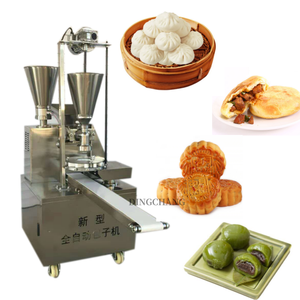
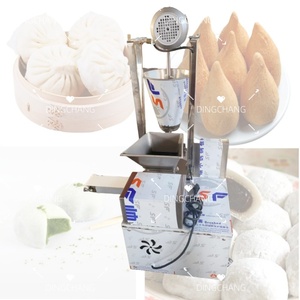
Automatic Kulhad Making Machine


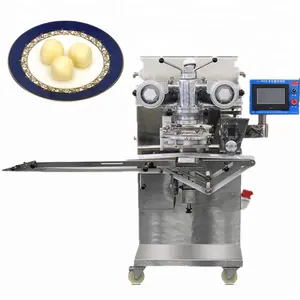

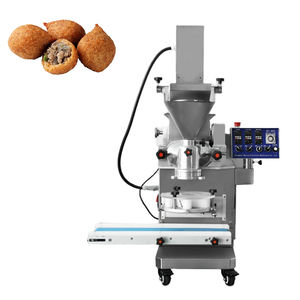













 1/20
1/20







 1/16
1/16











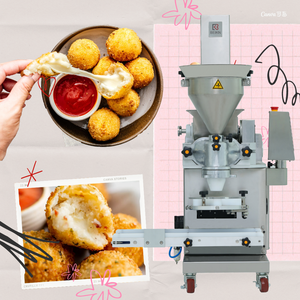
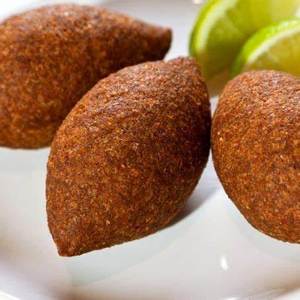
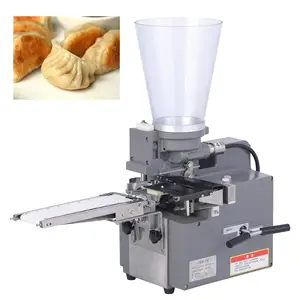 1/3
1/3

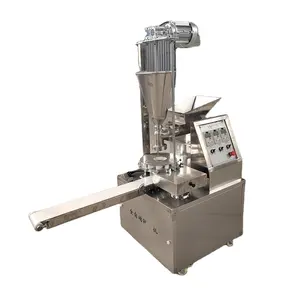











 1/14
1/14















 1/23
1/23
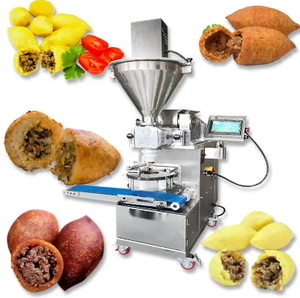
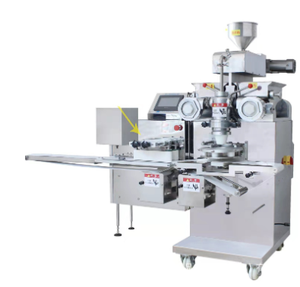
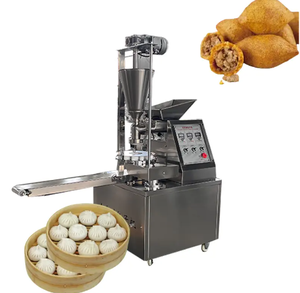
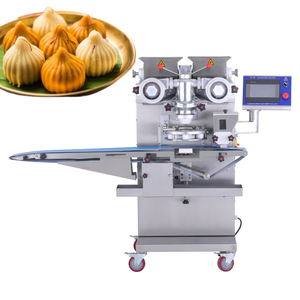
About automatic kulhad making machine
Where to Find Automatic Kulhad Making Machine Suppliers?
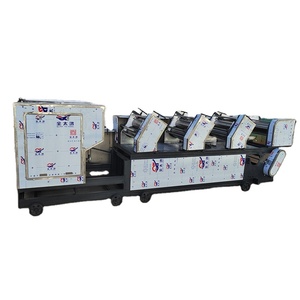
China leads global production of automatic kulhad making machines, with key manufacturing clusters in Zhejiang, Henan, and Shanghai. These regions host specialized food processing machinery manufacturers that combine advanced automation engineering with cost-efficient production models. Zhejiang and Shanghai serve as innovation hubs, emphasizing precision mechanics and R&D-driven design, while Henan focuses on scalable manufacturing for high-volume export orders.
The industrial ecosystems in these provinces feature vertically integrated supply chains—encompassing die-casting, servo control systems, and food-grade material sourcing—within compact geographic zones. This integration enables rapid prototyping and assembly, reducing lead times to 30–45 days for standard configurations. Buyers benefit from localized access to component suppliers, technical engineers, and logistics networks, achieving 20–30% lower unit costs compared to Western or Southeast Asian alternatives. The concentration of expertise also supports customization in molding pressure, clay extrusion rate, and drying cycle integration.
How to Choose Automatic Kulhad Making Machine Suppliers?
Procurement decisions should be guided by systematic evaluation criteria to ensure performance reliability and transaction security:
Technical Capability Verification
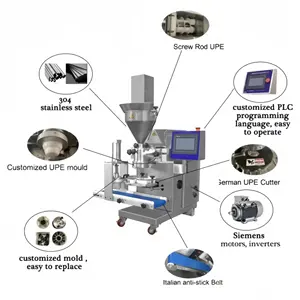
Confirm machine specifications align with operational requirements: output capacity (units/hour), mold interchangeability, power consumption (kW), and compatibility with raw clay types. Prioritize suppliers offering adjustable forming parameters such as wall thickness (1.5–3mm), diameter range (60–100mm), and automated demolding functions. Request technical drawings and PLC interface details to assess integration readiness with existing production lines.
Production Infrastructure Assessment
Evaluate supplier capabilities through objective indicators:
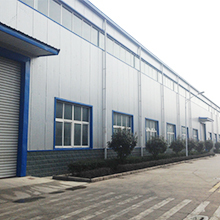
- Facility size supporting batch production (minimum 3,000m² recommended)
- In-house tooling and mold fabrication capacity
- Dedicated quality testing protocols for dimensional accuracy and structural integrity
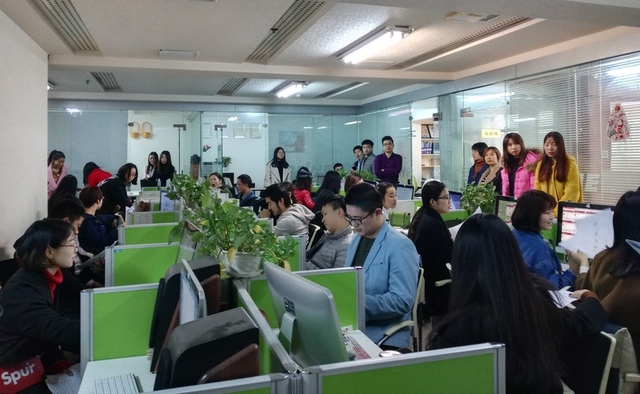
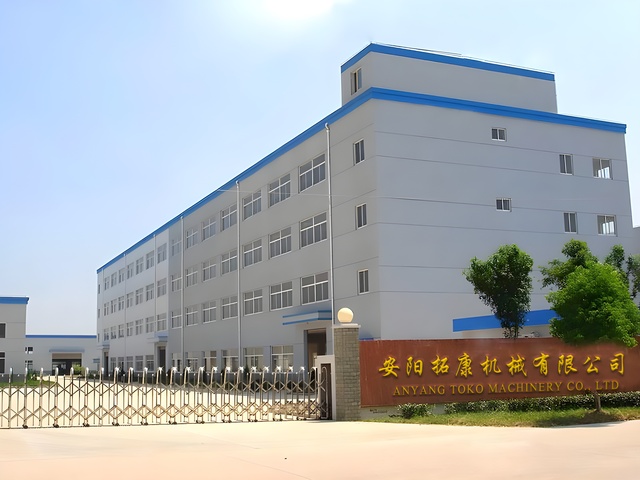
Cross-reference listed product ranges with actual machine build videos or factory audits to verify authenticity and scale of operations.
Quality & Transaction Assurance
While formal certifications (ISO 9001, CE) are not universally declared in available data, prioritize suppliers demonstrating consistent on-time delivery (>95%) and verifiable reorder rates. Utilize secure payment mechanisms such as escrow services and request sample units to validate build quality before bulk ordering. Inspect surface finish, alignment consistency, and motor stability under continuous operation during testing.
What Are the Best Automatic Kulhad Making Machine Suppliers?
| Company Name | Location | Main Products | Price Range (USD) | Min. Order | On-Time Delivery | Avg. Response | Reorder Rate | Online Revenue |
|---|---|---|---|---|---|---|---|---|
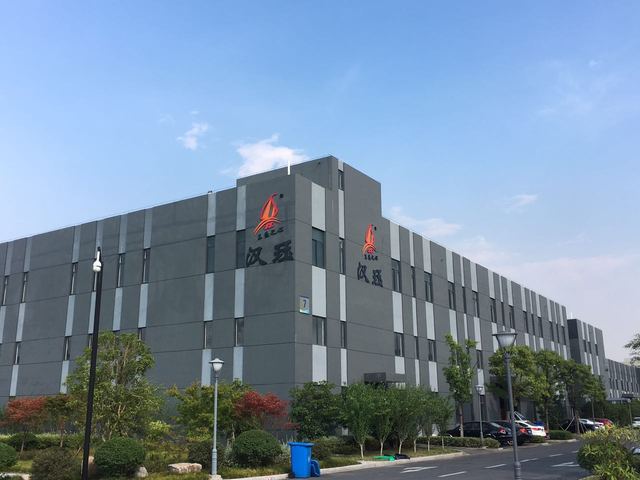
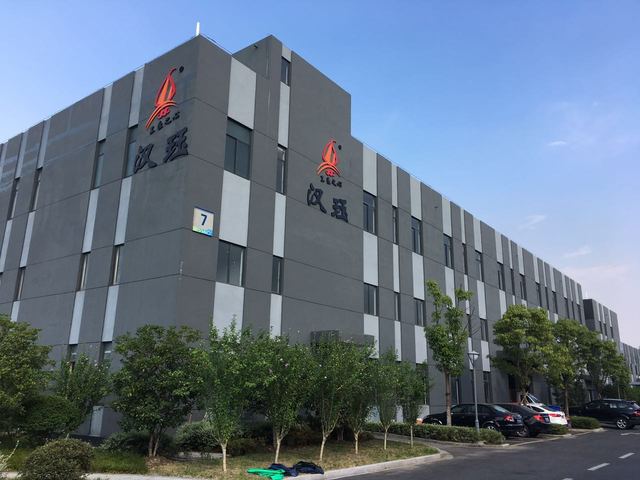
| Zhejiang Hanjue Precision Machinery Ltd. | Zhejiang, CN | Snack Machines, Food Processing Equipment | $4,200–7,800 | 1 set | 100% | ≤4h | 25% | US $90,000+ |
| Hnrb Foods Co., Ltd. | Unknown, CN | Grain Product Machines, Vegetable Cutters | $6,400–21,950 | 1 set | 100% | ≤1h | 22% | US $20,000+ |
| Youdo Machinery Inc | Unknown, CN | Grain Product Machines, Dough Dividers | $440–4,600 | 1 set | - | ≤2h | - | - |
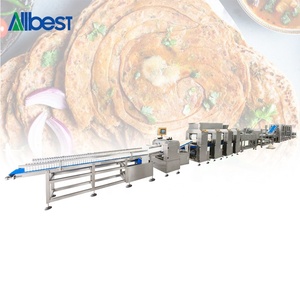
| Henan Allbest Import And Export Co., Ltd. | Henan, CN | Customizable Kubba/Falafel Machines | $699–64,000 | 1 set | 100% | ≤1h | 28% | US $900,000+ |
| Shanghai Hanjue Precision Machinery Co., Ltd. | Shanghai, CN | Encrusting & Forming Machines | $3,500–11,999 | 1 set | 100% | ≤5h | <15% | US $320,000+ |
Performance Analysis
Henan Allbest stands out with the highest reported online revenue (US $900,000+) and a strong reorder rate of 28%, indicating market acceptance and post-sale satisfaction. The company offers extensive customization options including shape, weight, nozzle configuration, and automation level, catering to diverse regional demand. Zhejiang and Shanghai-based Hanjue entities demonstrate reliable delivery performance (100%) and mid-range pricing, positioning them as stable choices for standardized equipment procurement.
Youdo Machinery presents a wide price spread, including a notably low-priced model at $440, suggesting potential entry-level or semi-automatic variants. However, absence of delivery and reorder metrics introduces risk for large-scale deployment. Hnrb Foods targets premium applications with high-capacity models exceeding $20,000, likely integrating multi-lane molding and conveyor drying systems. For buyers seeking flexibility, Henan Allbest’s broad customization scope combined with verified responsiveness (<1h) provides a strategic advantage in tailored project execution.
FAQs
How to verify automatic kulhad making machine supplier reliability?
Validate supplier credibility by reviewing documented delivery records, requesting customer references, and inspecting machine build quality via video audit. Analyze response consistency and technical detail in quotations. Use trade assurance programs to mitigate financial risk during initial transactions.
What is the typical lead time for these machines?
Standard units typically ship within 30–45 days after order confirmation. Customized models with specific mold designs or automation interfaces may require 50–60 days. Expedited production can reduce timelines by 10–15 days depending on factory workload.
Do suppliers offer customization options?
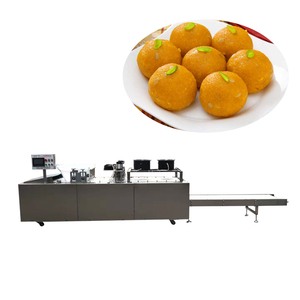
Yes, leading suppliers support customization of mold dimensions, output speed (up to 3,000 pcs/hour), material feed systems, and control panel language. Henan Allbest explicitly lists options for color, shape, thickness, packaging integration, and branding elements such as logo imprinting.
What are common MOQs for automatic kulhad machines?
Most suppliers list a minimum order quantity of 1 set, facilitating pilot testing and small business adoption. Bulk discounts apply progressively starting at 2–3 units, with optimal pricing negotiated at 5+ units.
Can these machines handle different types of clay or soil mixtures?
High-end models are engineered to process varied earthen materials, provided particle size is homogenized and moisture content controlled (typically 18–22%). Suppliers recommend pre-screening raw material and may provide mixing augers or hydration modules as add-ons.





