Controller Area Network Protocol




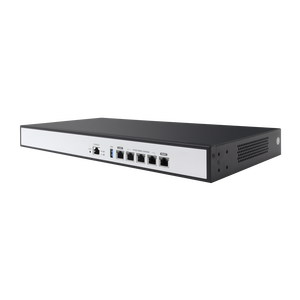





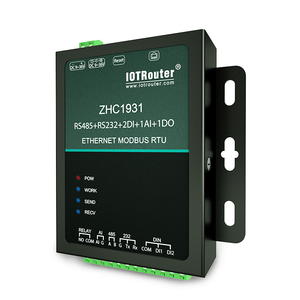

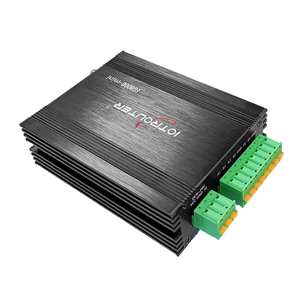


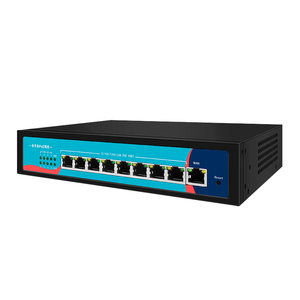
















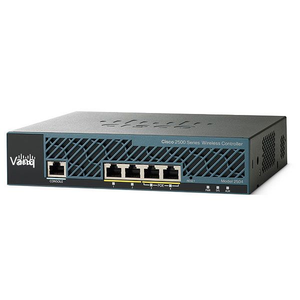


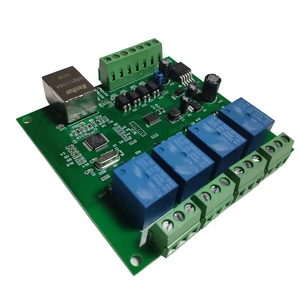

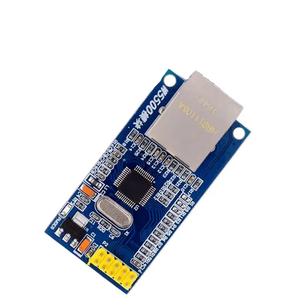
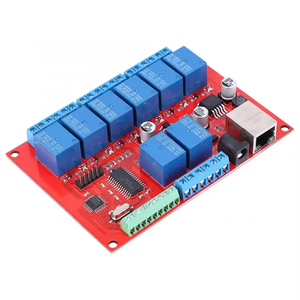














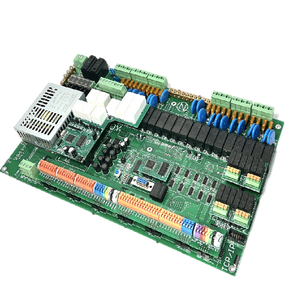
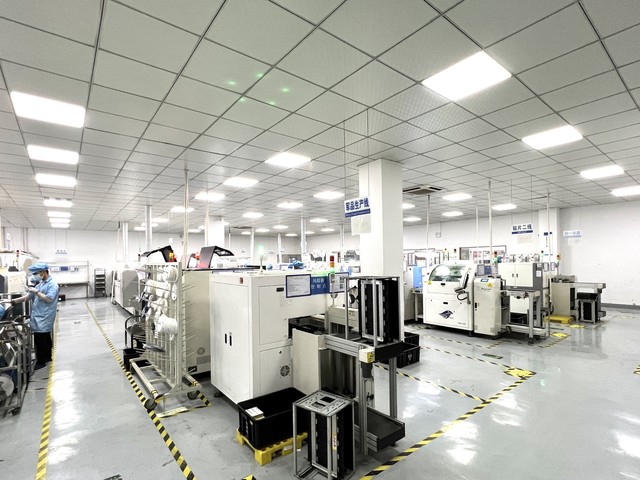
About controller area network protocol
Where to Find Controller Area Network Protocol Suppliers?
China remains the central hub for electronics and embedded systems manufacturing, with key industrial clusters in Guangdong, Jiangsu, and Zhejiang provinces driving innovation in communication protocols such as Controller Area Network (CAN). Shenzhen, within Guangdong, hosts over 70% of China’s semiconductor and automotive electronics suppliers, supported by a dense network of PCB fabricators, IC distributors, and firmware development firms. This ecosystem enables rapid prototyping and scalable production of CAN-based modules used in automotive, industrial automation, and IoT applications.
These regions benefit from vertically integrated supply chains that reduce component lead times by 25–40% compared to non-specialized markets. Local manufacturers leverage proximity to raw material sources—such as copper-clad laminates for circuit boards and silicon wafers for microcontrollers—to maintain cost efficiency. Buyers gain access to agile production environments where design-to-delivery cycles average 20–35 days for standard CAN interface units, with MOQs starting as low as 100 units. The concentration of technical talent and testing infrastructure allows for compliance-ready solutions aligned with ISO 11898 standards.
How to Choose Controller Area Network Protocol Suppliers?
Implement rigorous evaluation criteria when identifying qualified partners:
Technical Compliance
Confirm adherence to ISO 11898-1 (data link layer) and ISO 11898-2 (physical layer) as foundational requirements for interoperability. For automotive-grade applications, require AEC-Q100 qualification for associated ICs and UL/CE certification for power integrity and EMI performance. Request test reports covering bit error rate (BER), propagation delay, and bus fault tolerance under load conditions.
Production Capability Audits
Assess operational capacity through verifiable metrics:
- Minimum SMT line capacity of 50,000 components per hour
- In-house firmware validation using CANoe or CANalyzer tools
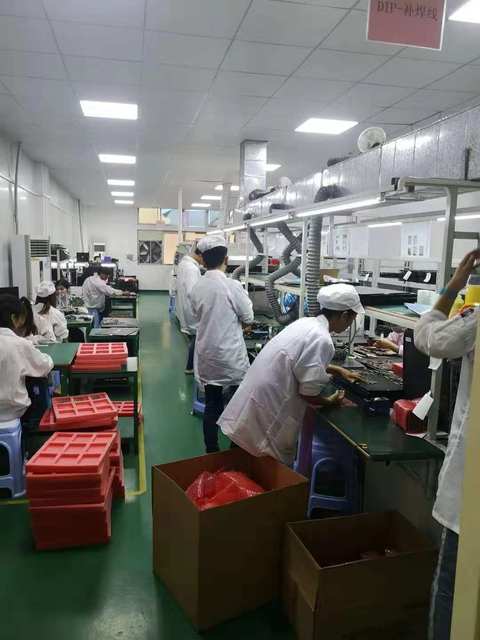
- Automated optical inspection (AOI) and flying probe testing integration
Validate process control via IPC-A-610 Class 2 or higher acceptance criteria. Prioritize suppliers with dedicated EMC shielding capabilities for high-noise environments.
Transaction Safeguards
Utilize secure payment structures such as irrevocable LC at sight or escrow services tied to milestone inspections. Evaluate supplier reliability through documented export history to North America, EU, or Japan—regions with strict regulatory enforcement. Pre-production sampling is critical; conduct conformance testing on voltage thresholds (dominant vs. recessive states), termination resistance (120 Ω ±5%), and baud rate accuracy across 125 kbps to 1 Mbps ranges before volume rollout.
What Are the Best Controller Area Network Protocol Suppliers?
| Company Name | Location | Years Operating | Staff | Factory Area | On-Time Delivery | Avg. Response | Ratings | Reorder Rate |
|---|---|---|---|---|---|---|---|---|
| Supplier data currently unavailable. Recommend initiating RFQs through verified trade registries and conducting technical audits prior to procurement. | ||||||||
Performance Analysis
In the absence of specific supplier data, sourcing strategy should emphasize technical verification over commercial terms. Historically, Shenzhen-based developers demonstrate faster iteration cycles (average 5-day turnaround for firmware updates), while Jiangsu-originated manufacturers exhibit stronger traceability systems compliant with IATF 16949. Prioritize facilities with documented experience in ASIL-capable system development for safety-critical deployments. For CAN FD migration projects, confirm support for arbitration phase switching and error confinement mechanisms during lab validation.
FAQs
How to verify controller area network protocol supplier reliability?
Cross-validate certifications with accredited bodies such as TÜV or SGS. Require full BOM transparency, including transceiver models (e.g., NXP TJA1051, TI SN65HVD230) and MCU references. Conduct remote factory audits focusing on ESD protection zones, reflow profile monitoring, and CAN bus simulation labs.
What is the average sampling timeline?
Standard CAN module samples take 10–18 days to produce, including PCB assembly and basic protocol stack loading. For CANopen or J1939-compliant variants, allow 25–35 days to integrate object dictionaries and message scheduling logic. Air freight adds 5–9 days depending on destination region.
Can suppliers ship CAN protocol components worldwide?
Yes, most established manufacturers support global distribution under EXW, FOB, or DDP terms. Confirm RoHS and REACH compliance documentation for EU shipments and FCC Part 15 Class B alignment for U.S. imports. Use anti-static packaging validated per ANSI/ESD S20.20 for sensitive assemblies.
Do manufacturers provide free samples?
Sample availability depends on complexity. Basic CAN transceiver breakout boards may be provided at no cost for qualified buyers, whereas fully assembled nodes with embedded software typically incur fees covering 40–60% of unit cost. Fee waivers are common upon confirmation of orders exceeding 1,000 units.
How to initiate customization requests?
Submit detailed requirements including CAN type (Classical, FD, XL), desired baud rate, connector type (DB9, Deutsch, M12), and environmental ratings (IP67, operating temperature range). Reputable suppliers will return schematic proposals within 72 hours and deliver functional prototypes within 4 weeks for review.





