Inventory Management Software Open Source










 CN
CN




 CN
CN

















































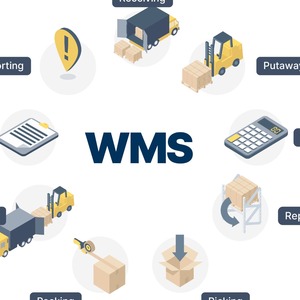


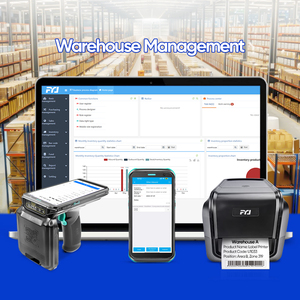
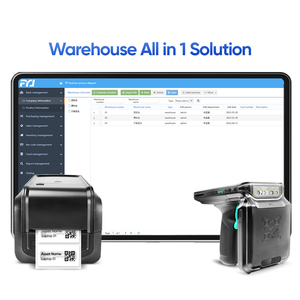

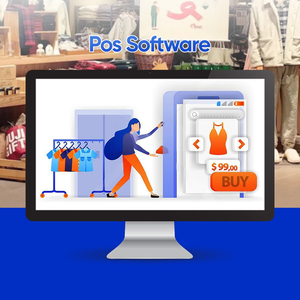



About inventory management software open source
Where to Find Inventory Management Software Open Source Suppliers?
The global market for open source inventory management software is increasingly concentrated among specialized development firms in Asia, particularly in India and China. These regions host a growing number of technology providers with expertise in scalable enterprise resource planning (ERP), warehouse management systems (WMS), and integrated logistics solutions. Indian suppliers, such as those based in Hyderabad and Bangalore, leverage strong IT infrastructure and English fluency to serve international clients, offering modular software architectures designed for customization. Chinese developers, primarily located in Shanghai and Guangzhou, integrate deep manufacturing sector experience with agile development practices, enabling rapid deployment of tailored inventory control applications.
These hubs benefit from mature ecosystems of software engineers, cloud integration specialists, and API developers, supporting end-to-end solution delivery. Firms typically operate lean but highly skilled teams focused on web, desktop, and mobile application development. Access to large talent pools allows for competitive pricing models and flexible engagement terms, including fixed-cost licensing and custom build contracts. Buyers gain access to solutions that support real-time tracking, invoice automation, supply chain synchronization, and POS integration—all built on open source frameworks to ensure transparency and long-term maintainability.
How to Choose Inventory Management Software Open Source Suppliers?
Selecting reliable partners requires systematic evaluation across technical, operational, and transactional dimensions:
Development Expertise & Stack Proficiency
Verify demonstrated experience in open source technologies such as PHP, Python, Node.js, or .NET Core, along with familiarity with database systems like MySQL or PostgreSQL. Assess portfolio depth in ERP, WMS, or retail management software. Prioritize vendors offering source code access and documentation to ensure future scalability and internal maintenance capability.
Customization and Integration Capacity
Evaluate the supplier’s ability to deliver modular enhancements:
- Support for RESTful APIs or GraphQL for third-party integrations
- Compatibility with e-commerce platforms, accounting tools, or barcode scanning hardware
- Provision of UI/UX customization, branding options, and multi-language support
Cross-reference project case studies with response time metrics (target ≤2 hours) to confirm client engagement standards.
Transaction and Delivery Assurance
Utilize secure payment mechanisms such as escrow services to align fund release with milestone completion. Review historical on-time delivery performance—preferably above 95%—and confirm post-deployment support availability. Request trial versions or sandbox environments before full procurement to validate functionality against business workflows.
What Are the Best Inventory Management Software Open Source Suppliers?
| Company Name | Location | Main Products | Product Count | On-Time Delivery | Avg. Response | Online Revenue | Reorder Rate | Min. Order Value |
|---|---|---|---|---|---|---|---|---|
| KAEM SOFTWARES PRIVATE LIMITED | India | Software, POS Systems | 1,275+ | - | ≤2h | US $8,000+ | - | $95 |
| TAKSH IT SOLUTIONS PRIVATE LIMITED | India | AI Apps, Web & Desktop Applications | 946+ | 75% | ≤1h | US $2,000+ | - | $4,500 |
| Shanghai Honghuan Network Technology Co., Ltd. | China | Business Finance & Agent Applications | 5 | 100% | ≤3h | - | - | $500 |
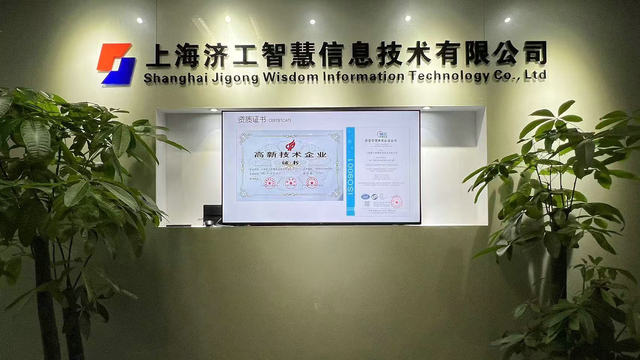
| Shanghai Jigong Intelligent Information Technology Co., Ltd. | China | WMS, ERP, Custom Manufacturing Software | 5 | 100% | ≤9h | - | - | $1,000 |
| Guangzhou Youmi Electronic Equipment Co., Ltd. | China | Vending Machine Integrated Systems | 2 | 88% | ≤1h | US $190,000+ | 15% | $1,090 |
Performance Analysis
Indian-based KAEM SOFTWARES and TAKSH IT SOLUTIONS demonstrate high responsiveness (≤2h and ≤1h, respectively), making them suitable for time-sensitive projects requiring iterative feedback. TAKSH stands out with a diversified portfolio in AI and web applications, though its 75% on-time delivery rate suggests potential scheduling risks. Chinese suppliers Shanghai Honghuan and Shanghai Jigong report perfect on-time delivery records, indicating robust project management despite longer average response times. Guangzhou Youmi, while primarily hardware-focused, offers integrated inventory software within vending systems, supported by a strong reorder rate (15%) and significant online revenue, reflecting market validation. For low-budget pilots, KAEM provides entry points from $95; for complex enterprise deployments, TAKSH and Jigong require minimum investments starting at $4,500 and $1,000, respectively.
FAQs
How to verify inventory management software supplier reliability?
Review documented development processes, request references from past clients, and audit version control repositories if accessible. Confirm whether source code is fully transferable and free of proprietary locks. Analyze customer feedback focusing on post-implementation support, bug resolution speed, and system stability under load.
What is the typical lead time for customized open source software?
Standard implementations take 4–6 weeks. Fully customized systems with advanced features—such as AI-driven demand forecasting or IoT device integration—require 8–12 weeks. Development timelines should include testing, user training, and data migration phases.
Can suppliers provide software without recurring license fees?
Yes, most open source providers offer one-time purchase models with optional paid support or upgrade packages. Ensure licensing permits commercial use, redistribution, and modification under recognized frameworks like MIT, GPL, or Apache.
Do these suppliers support cloud and on-premise deployment?
Leading vendors support both deployment modes. Confirm compatibility with AWS, Azure, or private servers. Ask about containerization (e.g., Docker) and CI/CD pipeline integration for seamless updates.
How to initiate a customization request?
Submit detailed requirements including user roles, reporting needs, integration endpoints, and preferred tech stack. Reputable suppliers will respond with functional specifications, wireframes, and a phased development plan within 5–7 business days.





