





Inventory Software Open Source











 CN
CN



 1/3
1/3





 1/18
1/18










 CN
CN



 1/3
1/3



















 1/9
1/9


 CN
CN


 1/2
CN
1/2
CN
 1/6
1/6















 CN
CN



 1/19
1/19
About inventory software open source
Where to Source Open Source Inventory Software Providers?
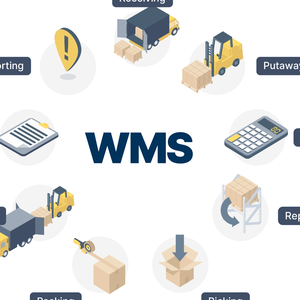
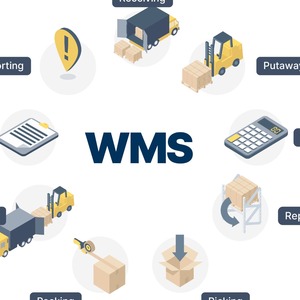
The global market for open source inventory software development is increasingly concentrated among specialized technology firms in Asia, particularly in Vietnam and China, where cost-efficient engineering talent and scalable IT infrastructure support rapid deployment of customizable solutions. These regions host a growing number of software development houses with expertise in enterprise resource planning (ERP), warehouse management systems (WMS), and cloud-based inventory tracking platforms.
Suppliers in this sector typically operate within integrated tech ecosystems that enable end-to-end service delivery—from initial system design to API integration and post-deployment support. Key advantages include access to agile development teams, modular coding frameworks, and interoperability with RFID, POS, and e-commerce systems. Buyers benefit from reduced development cycles and flexible engagement models, including fixed-price contracts or time-and-materials billing.
How to Evaluate Open Source Inventory Software Suppliers?
Procurement decisions should be guided by structured evaluation criteria focused on technical capability, responsiveness, and transaction reliability:
Development Expertise & Stack Proficiency
Confirm supplier experience with core technologies used in open source inventory systems, such as PHP, Python, Node.js, PostgreSQL, and MySQL. Assess their track record in deploying scalable web applications, mobile inventory apps, and integration with third-party logistics (3PL) or accounting software. Preference should be given to vendors offering full-stack customization and version control via Git-based repositories.
Service Scope and Customization Capacity
Evaluate the breadth of offered services:
- Custom ERP/WMS module development
- Cloud-hosted or on-premise deployment options
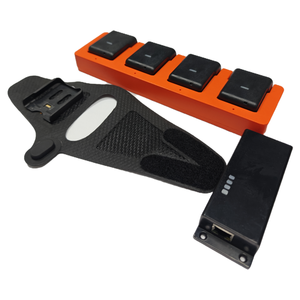
- Integration with barcode/RFID scanning hardware
- API connectivity to Shopify, WooCommerce, Magento, or SAP
Cross-reference project portfolios with minimum order value (MOQ) thresholds and response times to assess suitability for small-to-midsize business implementations.
Transaction and Delivery Performance
Prioritize suppliers with documented on-time delivery rates above 95% and average response times under 2 hours. Analyze online revenue indicators and reorder rates as proxies for customer satisfaction and service consistency. For higher-value engagements ($50,000+), require milestone-based payment structures secured through escrow mechanisms to mitigate delivery risk.
What Are the Leading Open Source Inventory Software Suppliers?
| Company Name | Location | Main Products | Price Range (USD) | Min. Order | On-Time Delivery | Avg. Response | Reorder Rate | Online Revenue |
|---|---|---|---|---|---|---|---|---|
| STEPMEDIA SOFTWARE VIET NAM COMPANY LIMITED | Vietnam | ERP, WMS, Inventory Software | $5,000–$50,000+ | 1 unit | - | ≤2h | - | - |
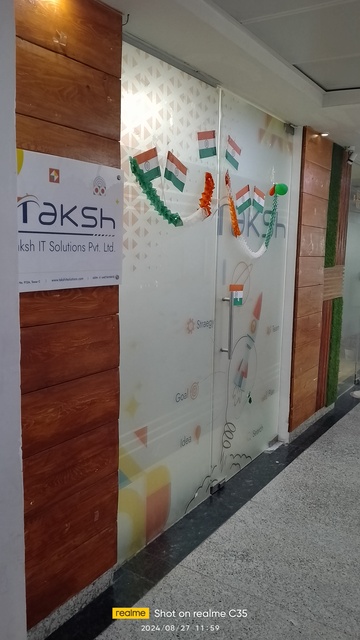
| TAKSH IT SOLUTIONS PRIVATE LIMITED | India | Web Applications, AI Apps, APIs | $5,000–$6,000 | 1 unit | 75% | ≤1h | - | US $2,000+ |
| Shanghai Honghuan Network Technology Co., Ltd. | Shanghai, CN | Agent Application Development | $500–$504 | 1–4 sets | 100% | ≤2h | - | - |
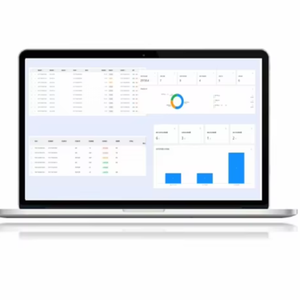
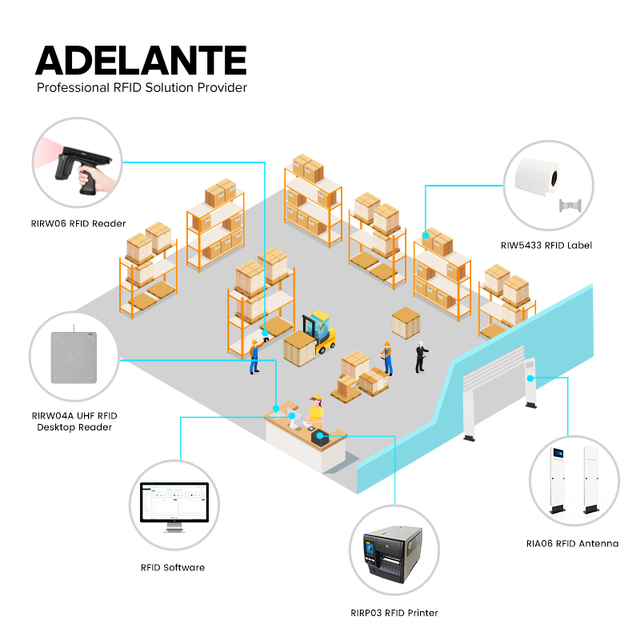
| Shanghai Adelante Co., Ltd. | Shanghai, CN | RFID Inventory Systems | $4,999–$18,000 | 1 set | 100% | ≤5h | 50% | US $7,000+ |
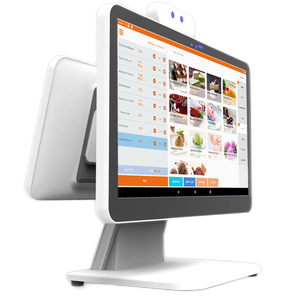
| Nanjing Shangchao Shidai Electronics Co., Ltd. | Nanjing, CN | POS & Cloud Retail Software | $15–$80 | 1–15 pieces | 99% | ≤2h | 19% | US $610,000+ |
Performance Analysis
Suppliers like Shanghai Adelante and Shanghai Honghuan demonstrate high delivery reliability (100% on-time rate), making them suitable for time-sensitive deployments involving hardware-software integration. STEPMEDIA and TAKSH IT focus on mid-range custom software projects ($5k–$50k), with strong responsiveness (≤2h and ≤1h, respectively), indicating efficient client communication protocols. Nanjing Shangchao stands out for high-volume, low-cost POS-integrated inventory solutions, supported by substantial online transaction volume. Notably, only Shanghai-based firms disclose reorder rates above 19%, suggesting stronger client retention in that region.
FAQs
How to verify open source inventory software supplier credibility?
Review publicly available code repositories, request case studies with anonymized clients, and validate development team size and structure. Confirm whether the supplier adheres to standard software development life cycle (SDLC) practices, including testing, documentation, and post-launch maintenance.
What is the typical development timeline for customized inventory software?
Basic implementations require 4–8 weeks; complex ERP-integrated systems may take 12–20 weeks. Milestone reviews should be scheduled at requirement finalization, prototype delivery, QA testing, and go-live phases.
Can these suppliers integrate with existing business systems?
Yes, most offer API-based integration with accounting, CRM, and e-commerce platforms. Confirm compatibility with your current stack (e.g., QuickBooks, Xero, Odoo) before contract signing.
Is open source licensing guaranteed in delivered software?
Clarify license terms upfront—whether the solution will be released under GPL, MIT, or Apache licenses. Ensure source code ownership and redistribution rights are explicitly defined in the service agreement.
Do suppliers provide post-deployment support?
Support models vary. Some include 3–6 months of free maintenance; others charge separately for updates, bug fixes, and training. Negotiate SLAs covering uptime guarantees, incident resolution timelines, and remote assistance availability.





