Inventory Management System Open Source

 CN
CN







 CN
CN










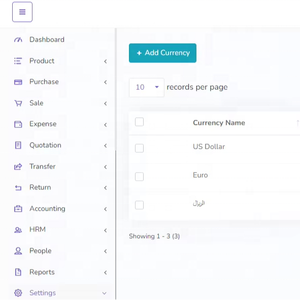
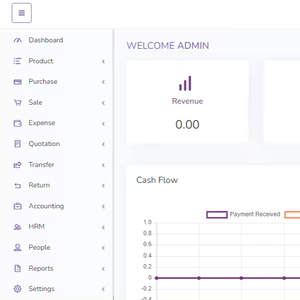



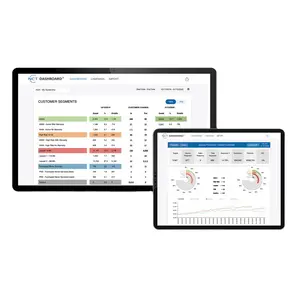



















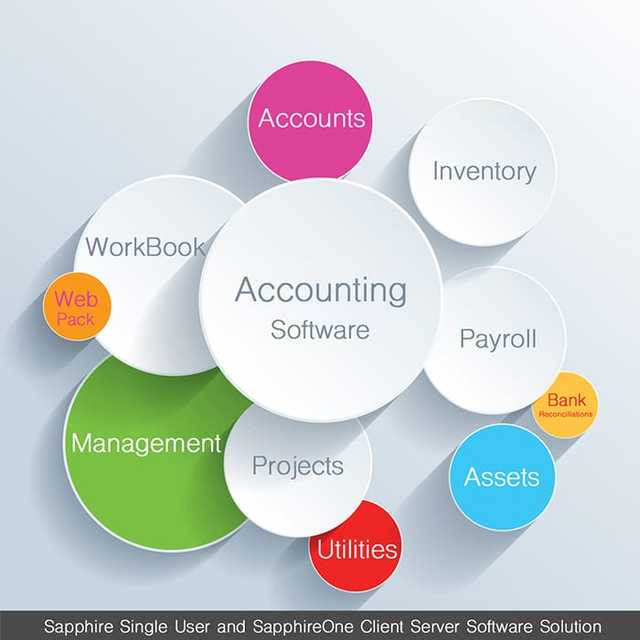

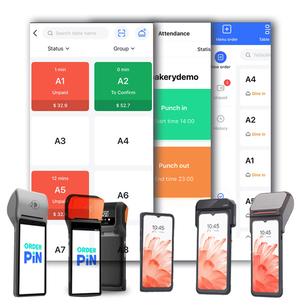














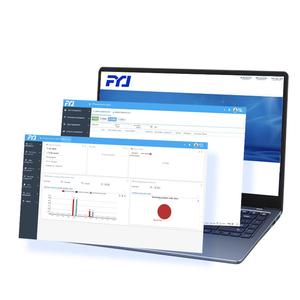


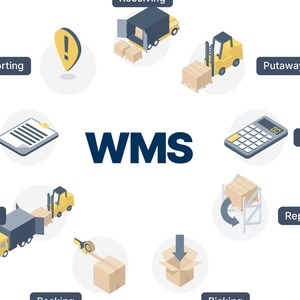











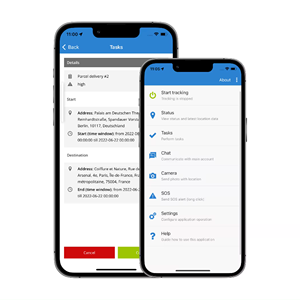







About inventory management system open source
Where to Source Open Source Inventory Management Systems?
The global market for open source inventory management systems is increasingly driven by specialized software development firms in China and Southeast Asia, with key clusters emerging in Shanghai, Shenzhen, and Hanoi. These regions host agile tech companies that combine modular open-source frameworks with scalable customization, enabling rapid deployment across diverse operational environments—from SME warehouses to integrated enterprise resource planning (ERP) ecosystems.
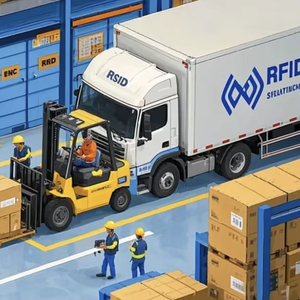
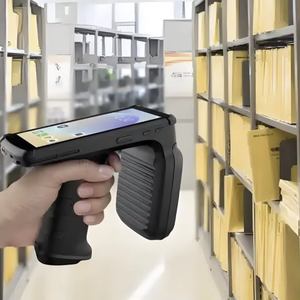
Shanghai and Shenzhen serve as primary innovation hubs, where proximity to hardware manufacturers facilitates seamless integration of RFID, IoT, and mobile tracking solutions into open-source platforms. This synergy reduces system integration time by 30–40% compared to standalone software deployments. Meanwhile, Vietnamese developers offer competitive offshore programming services, often delivering full-stack implementations at 25–40% lower labor costs while maintaining alignment with international coding standards.
How to Evaluate Suppliers of Open Source Inventory Management Systems?
Procurement professionals should apply structured evaluation criteria to ensure technical reliability and transactional security:
Technical Architecture & Customization
Confirm that suppliers utilize recognized open-source frameworks (e.g., Odoo, PartKeepr, or Apache-licensed codebases) and support API-driven integrations with existing ERP, WMS, or accounting platforms. Require documentation of version control practices, database schema flexibility, and compatibility with cloud hosting (AWS, Azure) or on-premise servers.
Development Capability Verification
Assess core competencies through the following indicators:
- Minimum team size of 10+ developers with demonstrable experience in PHP, Python, or Java-based inventory logic
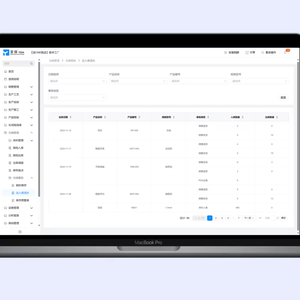
- Proven track record in deploying role-based access controls, barcode/RFID synchronization, and real-time reporting dashboards
- Evidence of responsive UI design for desktop and mobile interfaces
Cross-reference product listings with response times (target ≤2 hours) and on-time delivery performance to validate operational responsiveness.
Transaction and Intellectual Property Safeguards
Insist on secure payment mechanisms such as escrow services for initial deployments. Clarify licensing terms—ensure no hidden fees or proprietary lock-ins despite "open-source" labeling. Request source code access post-deployment and verify whether updates are community-supported or vendor-maintained. Conduct pilot testing on staging environments before production rollout.
What Are the Leading Open Source Inventory Management System Suppliers?
| Company Name | Location | Product Range | Min. Order Value | Customization | On-Time Delivery | Avg. Response | Core Tags |
|---|---|---|---|---|---|---|---|
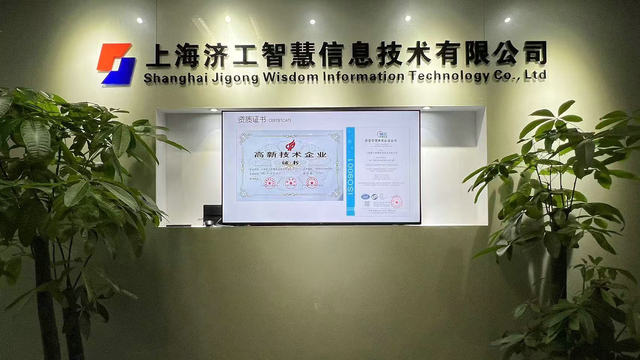
| Shanghai Jigong Intelligent Information Technology Co., Ltd. | Shanghai, CN | 5 products | $1,000 | Full ERP integration | 100% | ≤11h | On-time delivery 100%; Response time ≤11h |
| Shenzhen Zizhu Smart Technology Co., Ltd | Shenzhen, CN | 5 products | $5,000 | RFID/IoT enabled | 100% | ≤5h | On-time delivery 100%; Response time ≤5h |
| Shanghai Honghuan Network Technology Co., Ltd. | Shanghai, CN | 5 products | $500 | Asset & warehouse modules | 100% | ≤2h | On-time delivery 100%; Response time ≤2h |
| STEPMEDIA SOFTWARE VIET NAM COMPANY LIMITED | Hanoi, VN | 5 products | $5,000 | Custom ERP/WMS builds | - | ≤2h | Main products: Software (251); Response time ≤2h |
| Taizhou Le Yi Software Co., Ltd. | Zhejiang, CN | 5 products | $999 | Mobile/desktop hybrid | 100% | ≤10h | On-time delivery 100%; Response time ≤10h |
Performance Analysis
Shanghai- and Shenzhen-based suppliers emphasize integration with smart hardware ecosystems, particularly RFID and IoT-enabled tracking, making them ideal for automated warehouse environments. STEPMEDIA stands out for volume capability, listing over 250 software products, indicating established development pipelines suitable for large-scale custom projects. The lowest entry point is offered by Shanghai Honghuan, with solutions starting at $500 per set and a best-in-class response time of under two hours—ideal for urgent SME deployments.
While most Chinese suppliers report 100% on-time delivery, Vietnamese vendors require closer monitoring of milestone tracking due to limited verifiable delivery metrics. Buyers seeking rapid prototyping should prioritize firms with sub-5-hour response times and documented agile development cycles. For long-term scalability, confirm ongoing support policies and migration pathways to future versions.
FAQs
How to verify the authenticity of an open-source inventory system?
Request public repository links (e.g., GitHub, GitLab) and check for active commit histories, license files (GPL, MIT, Apache), and community contributions. Avoid vendors who restrict source code access or bundle open-source cores with closed modules without disclosure.
What is the typical implementation timeline?
Standard installations take 10–20 days depending on data migration complexity. Fully customized systems with API integrations or RFID hardware sync require 30–60 days. Pilot testing should be scheduled within the first two weeks to validate workflow alignment.
Can these systems be deployed on-premise or only in the cloud?
Most suppliers support both models. On-premise deployment requires client-side server specifications (Linux/Windows Server, MySQL/PostgreSQL). Cloud-hosted variants typically include monthly maintenance but offer faster uptime and remote access capabilities.
Is training and documentation included?
Reputable vendors provide user manuals, admin guides, and video tutorials. Some offer live training sessions (2–4 hours) at no extra cost. Confirm language availability—English support varies, especially among smaller Chinese developers.
What are common customization options?
Key modifications include multi-warehouse hierarchies, batch/serial number tracking, purchase order automation, barcode label formats, and financial reporting modules. Suppliers like STEPMEDIA and Taizhou Le Yi explicitly advertise mobile-compatible interfaces for field inventory audits.





