Warehouse Management System Open Source

 CN
CN



 CN
CN






 CN
CN











 CN
CN






















 CN
CN




















 CN
CN



About warehouse management system open source
Where to Find Open Source Warehouse Management System Suppliers?
China has emerged as a key hub for software development services, including specialized solutions for warehouse management systems (WMS) with open-source architecture. Industrial clusters in Shanghai, Taizhou, and Nanjing host a growing number of technology firms offering customizable WMS platforms designed for integration into logistics, manufacturing, and distribution networks. These regions benefit from concentrated talent pools in software engineering and AI-driven automation, enabling rapid deployment of scalable desktop and cloud-based applications.
Suppliers in these zones operate within mature digital ecosystems supported by local government incentives for tech innovation. This infrastructure allows for agile development cycles, with many providers offering modular codebases compatible with common ERP frameworks. Buyers gain access to cost-efficient development resources, with average project initiation timelines ranging from 5–10 business days. The proximity of technical teams, testing environments, and client support channels enables faster iteration and debugging, reducing time-to-deployment by up to 40% compared to offshore alternatives.
How to Choose Open Source Warehouse Management System Suppliers?
Procurement decisions should be guided by structured evaluation criteria to ensure technical reliability and long-term system maintainability:
Development Expertise & Technical Compliance
Verify the supplier’s experience in delivering open-source WMS solutions using verifiable project portfolios or GitHub repositories. Prioritize vendors demonstrating adherence to standard coding practices (e.g., modular design, API-first approach). Confirm compatibility with common open-source frameworks such as Odoo, Apache OFBiz, or custom-built Node.js/Python backends. For regulated industries, assess compliance with data security standards like GDPR or ISO/IEC 27001, even if formal certification is not held.
Customization and Integration Capability
Evaluate the scope of customization offered:
- Support for API integrations with inventory tracking, barcode scanning, and IoT devices
- Ability to modify source code without licensing restrictions
- Provision of full documentation and developer handover packages
Cross-reference product listings with response times and on-time delivery rates to gauge operational efficiency. Suppliers advertising sub-10-hour response windows typically maintain dedicated project management teams.
Transaction Security and Post-Sales Support
Use secure payment mechanisms that release funds upon milestone verification. Assess post-implementation support structures, including bug-fixing SLAs, version updates, and training provision. Request trial modules or sandbox environments before full commitment. Analyze supplier transaction volume indicators where available—higher online revenue suggests sustained market demand and service stability.
What Are the Best Open Source Warehouse Management System Suppliers?
| Company Name | Location | Verified Status | Product Range | Starting Price | Min. Order | On-Time Delivery | Avg. Response | Reorder Rate |
|---|---|---|---|---|---|---|---|---|
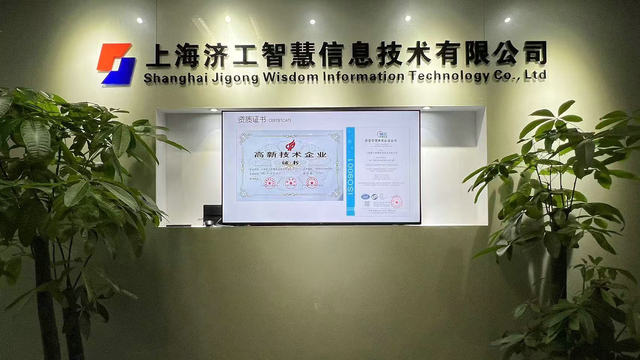
| Shanghai Jigong Intelligent Information Technology Co., Ltd. | Shanghai, CN | Multispecialty Supplier | 5 | $1,000 | 1 piece | 100% | ≤9h | - |
| Taizhou Le Yi Software Co., Ltd. | Taizhou, CN | Trusted service provider | 5 | $999 | 1 piece | 100% | ≤10h | - |
| Nanjing Jinhui Storage Equipment Co., Ltd. | Nanjing, CN | Multispecialty Supplier | 5 | $0.99/kg | 100 kg | 100% | ≤2h | 16% |
| Jiangsu Nova Intelligent Logistics Equipment Co., Ltd. | Jiangsu, CN | Custom Manufacturer | 5 | $0.80/kg | 500 kg | 100% | ≤11h | - |
| CRISTA TECHNOLOGIES LLP | India | Not specified | 2 | $250 | 1 unit | 75% | ≤1h | - |
Performance Analysis
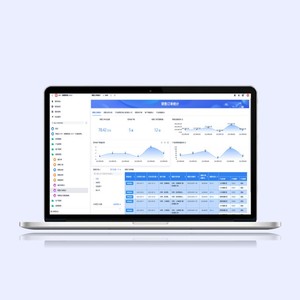
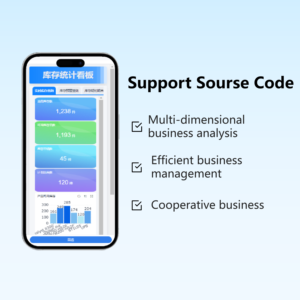
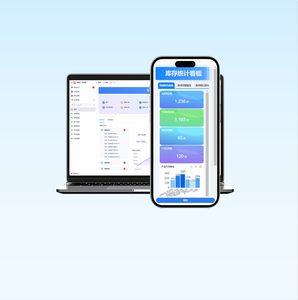
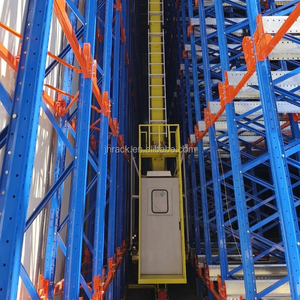
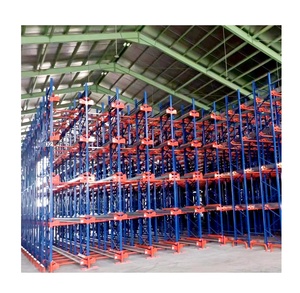
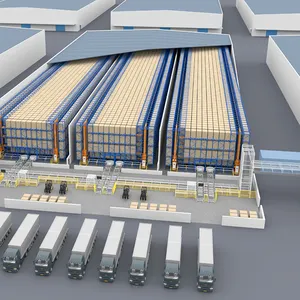
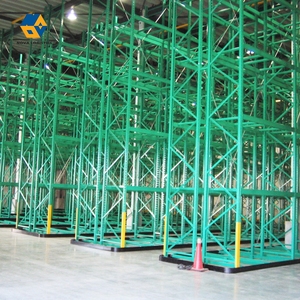
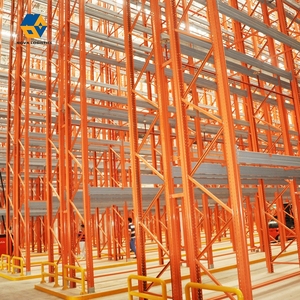
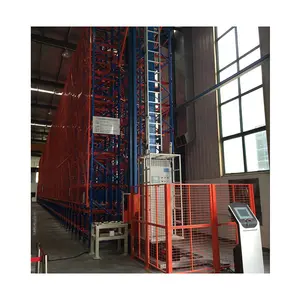
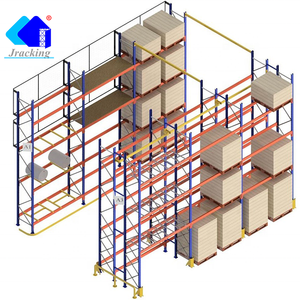
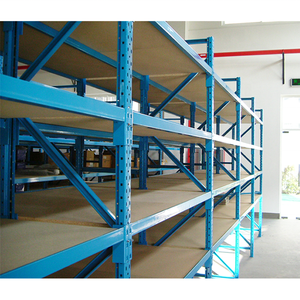
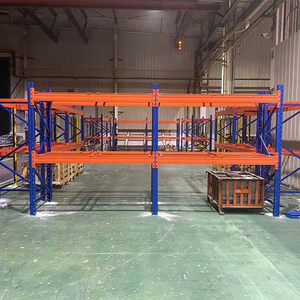
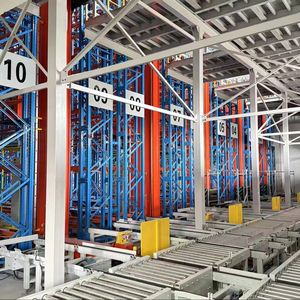
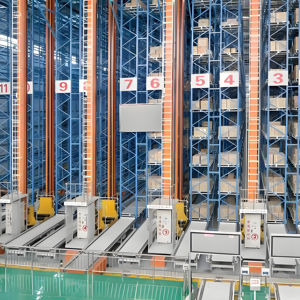
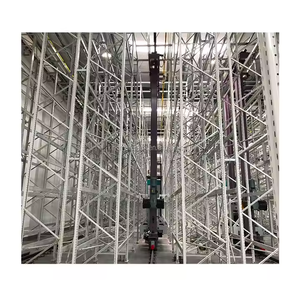
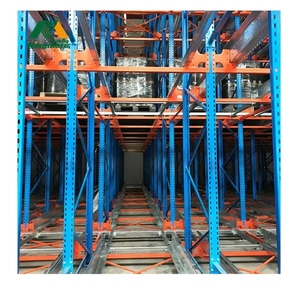
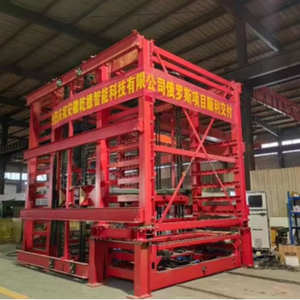
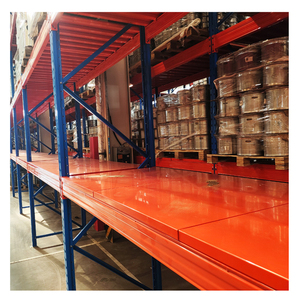
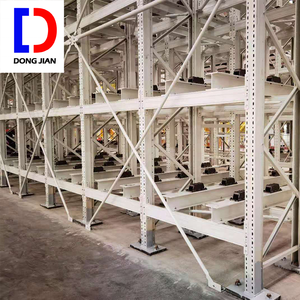
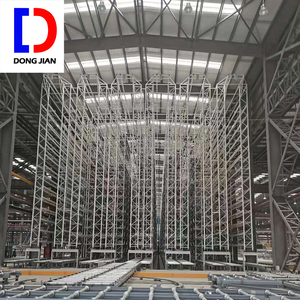
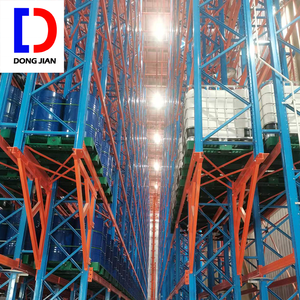
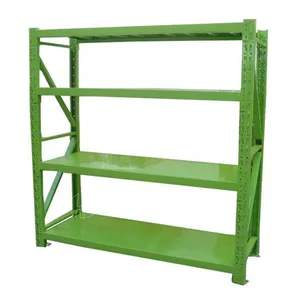
Shanghai- and Taizhou-based software developers lead in dedicated WMS application offerings, with pricing starting at $999 for fully functional desktop systems. These suppliers emphasize customization, AI integration, and ERP interoperability, making them suitable for mid-sized enterprises requiring scalable solutions. In contrast, Nanjing and Jiangsu suppliers primarily offer industrial racking and ASRS hardware, with "open source" tags likely reflecting marketing misalignment rather than actual software availability. CRISTA TECHNOLOGIES presents the lowest entry cost but operates outside China’s core tech clusters, with lower on-time delivery performance. Buyers seeking genuine open-source WMS platforms should prioritize suppliers listing specific software features over generic keywords.
FAQs
How to verify open source WMS supplier credibility?
Request access to source code samples or public repositories. Validate development team size and technical stack through video consultations. Check for documented version control, update logs, and third-party audits of software architecture.
What is the typical development timeline for a customized WMS?
Standard implementations take 4–8 weeks depending on integration complexity. Systems requiring real-time inventory syncing, barcode processing, or mobile interfaces may require 10–12 weeks. Prototypes are typically delivered within 14 days of project initiation.
Do suppliers provide post-implementation support?
Most established suppliers offer 3–6 months of included maintenance. Extended support contracts vary; clarify coverage for bug fixes, server configuration, and user training before contract finalization.
Can open source WMS systems be integrated with existing ERP platforms?
Yes, reputable developers design systems with RESTful APIs or middleware connectors for SAP, Oracle, or Microsoft Dynamics. Confirm integration protocols during the quotation phase and request proof-of-concept demonstrations.
Are there hidden costs in open source WMS procurement?
While licensing fees are absent, potential costs include setup, data migration, hosting, and ongoing developer support. Ensure all ancillary services are itemized in the proposal to avoid budget overruns.





