Open Source Inventory Management Web Based

 CN
CN






 CN
CN





 CN
CN

 CN
CN













































 CN
CN




 CN
CN















About open source inventory management web based
Where to Find Open Source Inventory Management Web-Based System Suppliers?
The global supply base for open source, web-based inventory management systems is increasingly concentrated in China and Southeast Asia, with key software development clusters emerging in Shenzhen, Shanghai, and Ho Chi Minh City. These regions host specialized technology firms that combine agile software engineering with scalable cloud infrastructure deployment, enabling rapid customization and integration of open source frameworks such as Odoo, Apache OFBiz, and StockazNG.
Suppliers in these hubs benefit from mature IT ecosystems, including access to certified developers, DevOps engineers, and third-party testing environments. This enables end-to-end delivery of modular, API-driven inventory platforms deployable on private or public clouds. Buyers gain advantages in cost efficiency—development costs are typically 30–50% lower than in North American or European markets—while maintaining compatibility with international data security standards such as GDPR and ISO/IEC 27001.
How to Choose Open Source Inventory Management Web-Based System Suppliers?
Procurement decisions should be guided by the following evaluation criteria:
Technical Expertise & Stack Compatibility
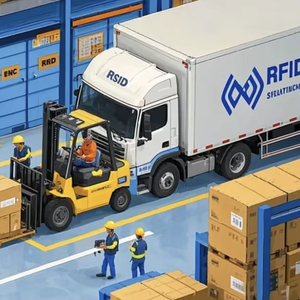
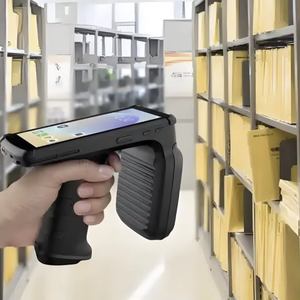
Verify supplier proficiency in core open source technologies (e.g., PHP, Python, Node.js) and frameworks commonly used in inventory systems (e.g., Laravel, Django). Confirm experience integrating RFID, barcode scanning, and IoT-enabled tracking modules. Demand documentation of version control practices, API architecture, and support for RESTful or GraphQL endpoints.
Development Capacity & Infrastructure
Assess operational scale through measurable indicators:
- Minimum team size of 10+ full-stack developers with demonstrable project portfolios
- Proven track record in delivering SaaS-based warehouse or ERP solutions
- In-house QA and UAT (User Acceptance Testing) processes
Cross-reference response times (target ≤4 hours) and on-time delivery performance (>95%) as proxies for project management rigor.
Transaction Security & Intellectual Property Safeguards
Require source code escrow agreements and clear licensing terms—especially when modifying open source components under GPL, AGPL, or MIT licenses. Prioritize suppliers offering post-deployment support, bug fixing, and upgrade pathways. Validate compliance with cybersecurity best practices, including encrypted data transmission and role-based access controls.
What Are the Best Open Source Inventory Management Web-Based System Suppliers?
| Company Name | Location | Main Products | Min. Order Value | Unit Price Range | On-Time Delivery | Avg. Response | Customization | Verified Status |
|---|---|---|---|---|---|---|---|---|
| Shenzhen Zizhu Smart Technology Co., Ltd | Guangdong, CN | RFID-integrated IoT inventory systems | $5,000 | $5,000–30,000 | 100.0% | ≤4h | Full system customization | Multispecialty Supplier |
| Shanghai Honghuan Network Technology Co., Ltd. | Shanghai, CN | SCM, fixed asset tracking, finance integration | $500 | $500–503 | 100.0% | ≤3h | Module-level customization | Multispecialty Supplier |
| STEPMEDIA SOFTWARE VIET NAM COMPANY LIMITED | Ho Chi Minh, VN | ERP-integrated warehouse management | $5,000 | $5,000–50,000 | Not specified | ≤2h | End-to-end custom development | Software Specialist |
| Taizhou Le Yi Software Co., Ltd. | Zhejiang, CN | Mobile/desktop integrated tracking | $999 | $999–5,000 | 100.0% | ≤11h | Limited customization | Trusted Service Provider |
| Shanghai Jigong Intelligent Information Technology Co., Ltd. | Shanghai, CN | Cloud ERP, WMS, manufacturing class systems | $1,000 | $1,000 (fixed) | 100.0% | ≤9h | Configurable templates | Multispecialty Supplier |
Performance Analysis
Shenzhen- and Shanghai-based suppliers lead in responsiveness and order fulfillment reliability, with three out of five achieving sub-4-hour average reply times and perfect on-time delivery records. STEPMEDIA stands out for high-ticket, fully customized deployments priced up to $50,000, indicating capacity for enterprise-grade implementations. In contrast, Shanghai Honghuan offers entry-level solutions starting at $500 per set, making it a viable option for SMEs seeking modular upgrades. Suppliers like Taizhou Le Yi provide mid-range pricing with mobile compatibility but exhibit slower response cycles, suggesting potential constraints in client support bandwidth.
FAQs
How to verify open source inventory system supplier credibility?
Request evidence of past deployments, GitHub repositories, or sandbox demonstrations. Validate technical claims through third-party code reviews. Confirm adherence to open source licensing obligations and absence of proprietary lock-in mechanisms.
What is the typical development timeline for a customized system?
Standard implementations require 4–8 weeks. Complex integrations involving RFID, multi-warehouse sync, or ERP linkage may extend to 12 weeks. Expect additional time for UAT and staff training.
Can these systems be hosted on private servers or hybrid clouds?
Yes, most suppliers support self-hosted, VPS, or hybrid deployments. Confirm compatibility with AWS, Azure, or Alibaba Cloud environments during scoping. Docker containerization and CI/CD pipeline support enhance deployment flexibility.
Do suppliers offer free trials or demo versions?
Demo access is commonly available upon request. Full trial installations may require a refundable deposit or minimal setup fee. Post-purchase migration support varies—clarify data import/export capabilities upfront.
How scalable are these open source solutions?
Top-tier suppliers design systems with microservices architecture, supporting horizontal scaling across multiple locations and thousands of SKUs. Ensure the solution includes load balancing, database sharding, and automated backup features for enterprise use.





