



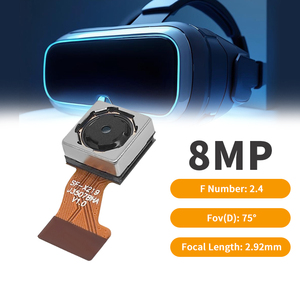


Raspberry Pi Imager


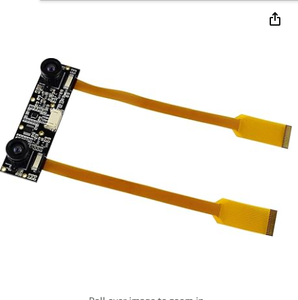


 1/1
1/1


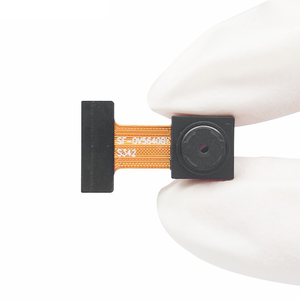


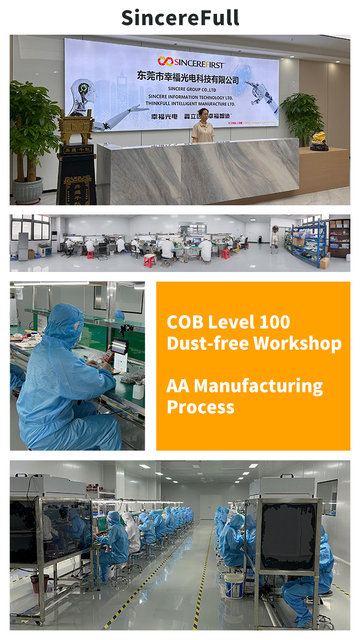 1/2
1/2


 1/3
1/3



 1/2
1/2



 1/3
1/3


 1/3
1/3


 1/3
1/3




 1/3
1/3


 1/3
1/3




 1/11
1/11



 1/3
1/3







 1/2
1/2


 1/3
1/3

 1/13
1/13


 1/3
1/3


 0
0



 1/3
1/3


 0
0




 1/3
1/3

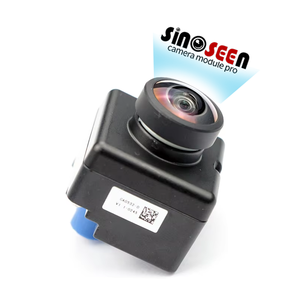
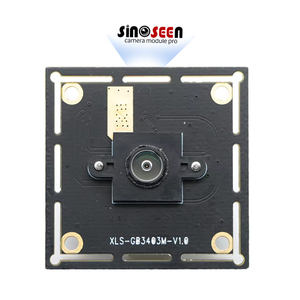
 1/3
1/3
About raspberry pi imager
Where to Find Raspberry Pi Imager Suppliers?
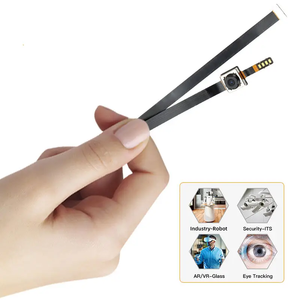
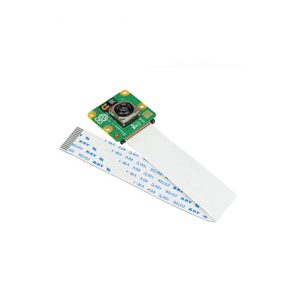
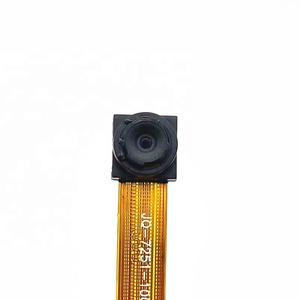
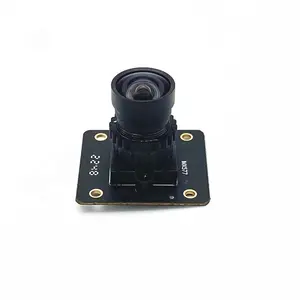
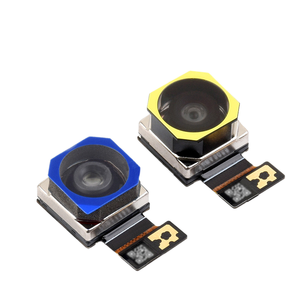
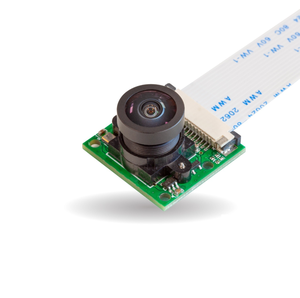
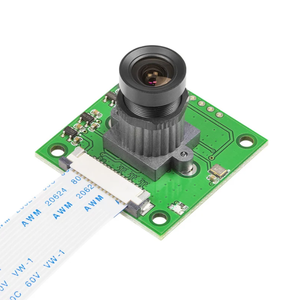
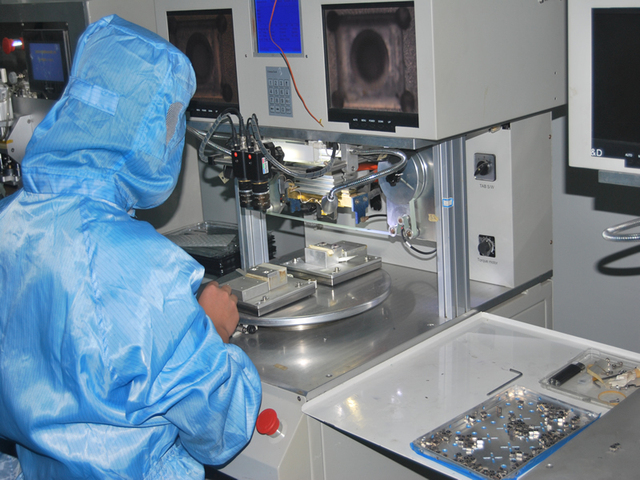
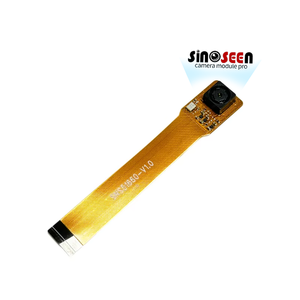
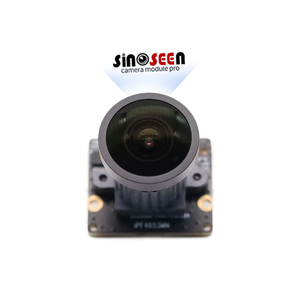
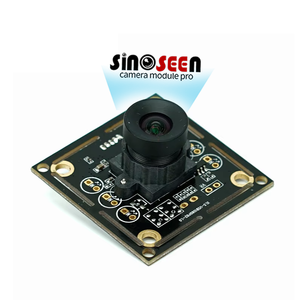
China remains the central hub for manufacturing Raspberry Pi-compatible imaging solutions, with supplier clusters concentrated in Shenzhen, Wuhan, and Hong Kong. These regions host vertically integrated electronics supply chains, enabling rapid component sourcing and assembly of camera modules tailored for single-board computing platforms. Shenzhen’s ecosystem supports over 70% of global MIPI and DVP interface sensor production, providing access to CMOS sensors such as OV5640, IMX219, and IMX708 used in high-resolution imaging applications.
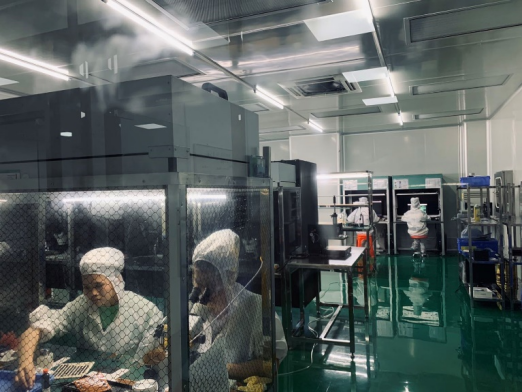
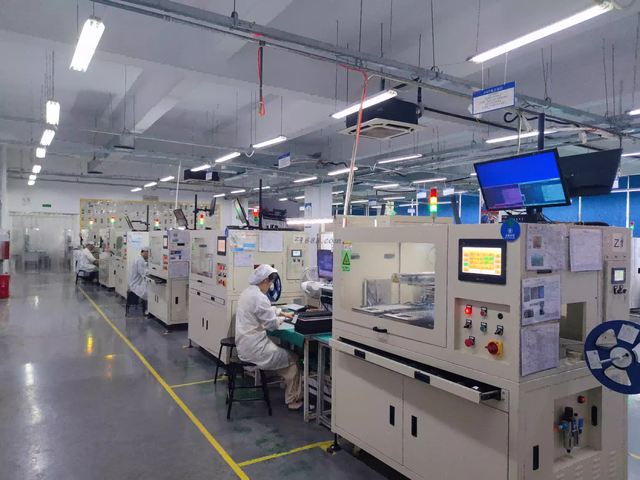
The industrial advantage lies in proximity to semiconductor packaging facilities, optical lens manufacturers, and PCB fabrication plants—many operating within a 30km radius. This integration reduces lead times for standard orders to 15–25 days and enables cost efficiencies of 20–35% compared to Western-assembled equivalents. Suppliers leverage automated SMT lines and in-house testing rigs to validate image signal processing (ISP) compatibility with Raspberry Pi OS, ensuring plug-and-play functionality across models including Pi 4, Pi Zero 2W, and Compute Module variants.
How to Choose Raspberry Pi Imager Suppliers?
Procurement decisions should be guided by technical verification, production transparency, and transactional reliability:
Technical Compatibility
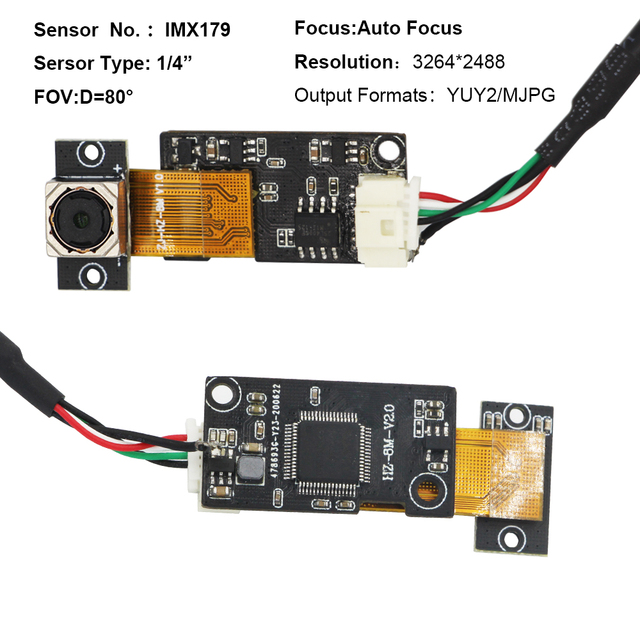
Confirm sensor model accuracy (e.g., IMX219 vs. IMX179) and interface type (MIPI CSI-2). Validate firmware support through provided SDKs or GitHub repositories. For thermal imaging variants (e.g., AMG8833), verify calibration data and temperature measurement range (typically -20°C to 150°C). Buyers targeting low-light performance should prioritize modules with IR-cut filters and night vision support.
Production Capability Assessment
Evaluate supplier infrastructure based on the following indicators:
- Minimum monthly output capacity exceeding 10,000 units
- In-house capabilities for PCB assembly, lens alignment, and ISP tuning
- Use of automated optical inspection (AOI) systems for defect detection
Cross-reference product listings with consistent delivery records (>97% on-time rate) and response times under 4 hours to assess operational responsiveness.
Quality & Transaction Assurance
Prioritize suppliers adhering to ISO 9001 quality management standards and RoHS compliance for hazardous substance control. While formal certifications may not always be listed, consistent reorder rates above 30% indicate customer satisfaction. Utilize secure payment mechanisms and request sample units to evaluate build quality, focus stability, and software integration before bulk ordering.
What Are the Best Raspberry Pi Imager Suppliers?
| Company Name | Main Products | Online Revenue | On-Time Delivery | Avg. Response | Reorder Rate | Min. Order Quantity | Price Range (USD) |
|---|---|---|---|---|---|---|---|
| Wuhan Aismartlink Intelligent Technology Co., Ltd. | Development Boards, Camera Modules, Sensors | US $140,000+ | 100% | ≤4h | 20% | 2 pcs | $2.30–$51.50 |
| H&L ELECTRICAL MANUFACTORY LIMITED | Camera Modules, Image Sensors, Mini Cameras | US $50,000+ | 100% | ≤1h | <15% | 5 pcs | $4.35–$41.50 |
| HONG KONG AU-STAR ELECTRON TECHNOLOGY CO., LIMITED | Mini Cameras, Image Sensors, Webcams | US $50,000+ | 100% | ≤4h | 34% | 2 pcs | $9.00–$52.61 |
| Shenzhen Wanling Electronics Co., Ltd. | Camera Modules, Image Sensors, Development Boards | US $7,000+ | 100% | ≤2h | <15% | 5 pcs | $2.00–$10.00 |
| JunXing HK Co., Limited | Camera Modules, ICs, PCBA | US $1,000+ | 100% | ≤2h | <15% | 1–2 pcs | $3.36–$130.13 |
Performance Analysis
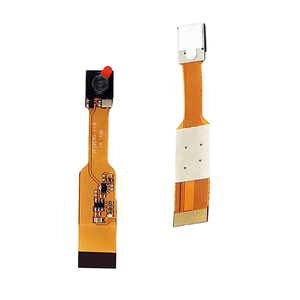
Wuhan Aismartlink offers broad product diversity with competitive pricing, particularly for entry-level Pi Zero-compatible cameras ($2.30–$5.80 range). H&L ELECTRICAL MANUFACTORY distinguishes itself with sub-one-hour response times and mid-tier sensor offerings like OV5640 and IMX708, suitable for industrial monitoring. HONG KONG AU-STAR leads in customer retention (34% reorder rate), suggesting strong post-sale support and consistent module performance. Shenzhen Wanling provides the lowest MOQ-adjusted prices for basic 5MP–8MP modules, ideal for prototyping. JunXing HK caters to niche demand with premium thermal and HQ camera modules, though at significantly higher unit costs ($61+).
FAQs
How to verify Raspberry Pi imager supplier reliability?
Review transaction metrics such as on-time delivery rate and response time. Request sample units to test image clarity, auto-focus function (if applicable), and compatibility with Raspberry Pi Bullseye or Bookworm OS versions. Confirm whether drivers or configuration scripts are provided for seamless integration.
What is the typical sampling timeline?
Standard camera module samples ship within 5–10 days after payment. Custom configurations (e.g., extended cable lengths, waterproof housing) require 15–20 days. Air freight adds 3–7 days for international delivery.
Do suppliers support customization?
Yes, most suppliers offer modifications including custom PCB lengths, lens focal lengths (2.8mm to 6mm), and firmware tweaks for exposure control. Minimum order quantities for customized designs typically start at 500 units.
Are Raspberry Pi imagers RoHS compliant?
Majority of listed suppliers produce RoHS-compliant modules using lead-free solder and environmentally regulated materials. Compliance can be verified through material declarations or third-party test reports upon request.
What are common MOQ and pricing structures?
MOQs range from 1 to 5 pieces for standard modules, with per-unit prices decreasing by 10–25% at volumes exceeding 100 units. High-resolution (12MP+) or specialized thermal imagers often carry fixed pricing regardless of volume due to component constraints.





