Semi Automatic Chapati Making Machine India
























 1/15
1/15







 1/21
1/21





 1/6
1/6







 1/2
1/2


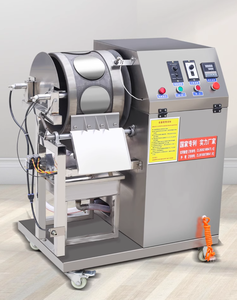

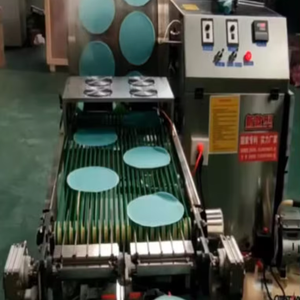
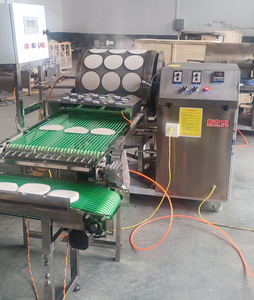


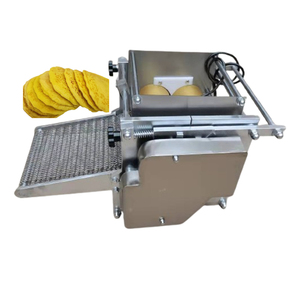
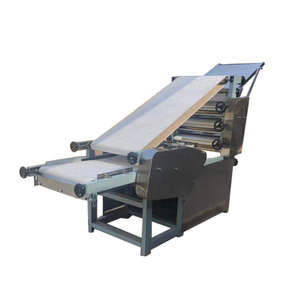

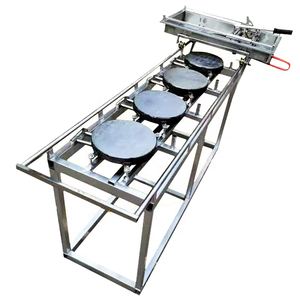





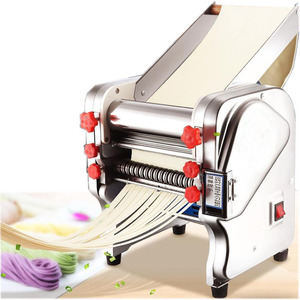 1/14
1/14


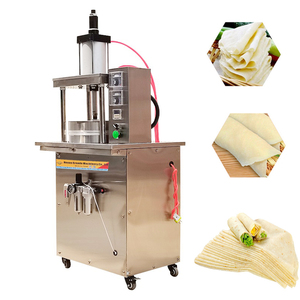

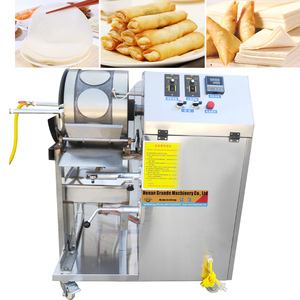


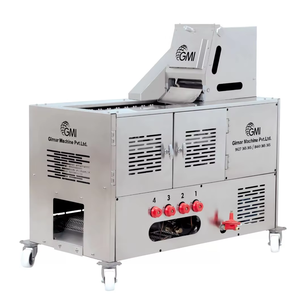
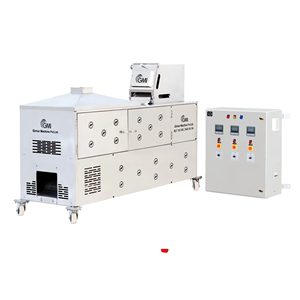
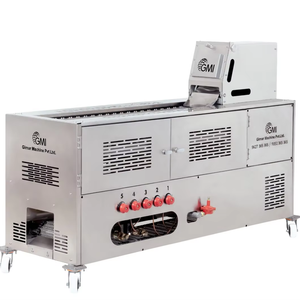
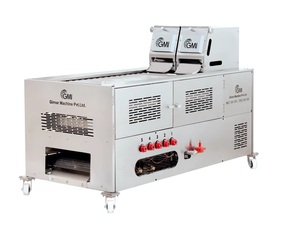
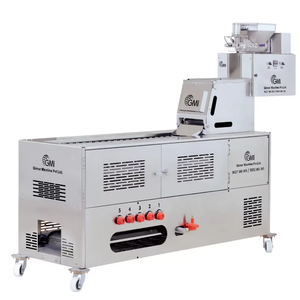
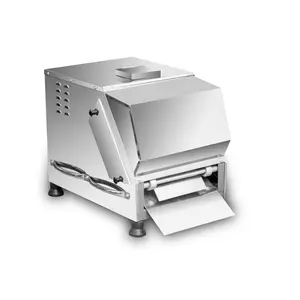
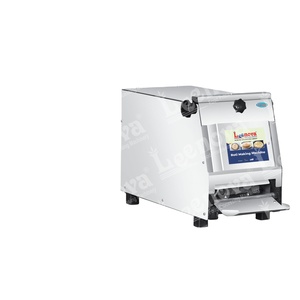
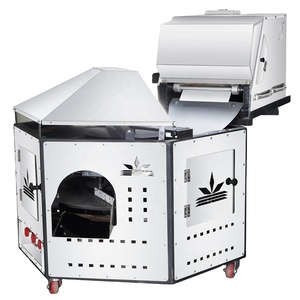
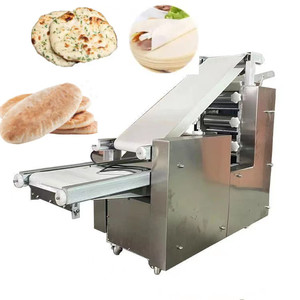
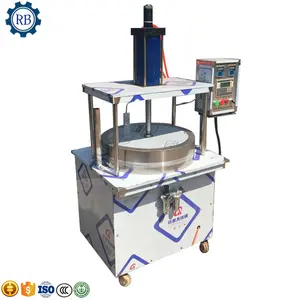
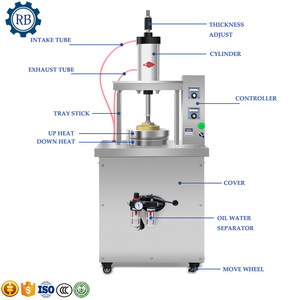
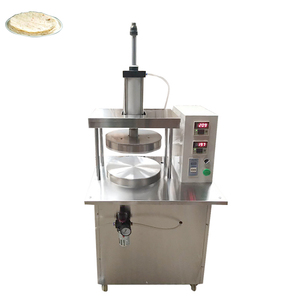
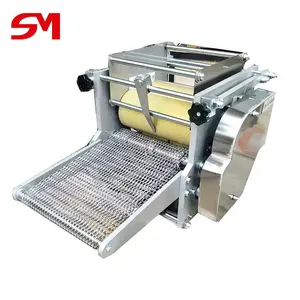
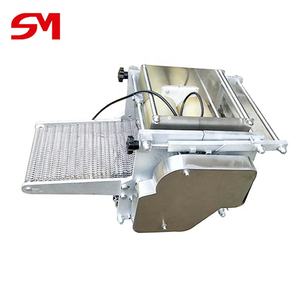
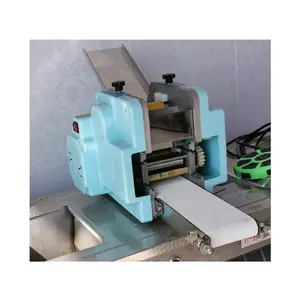
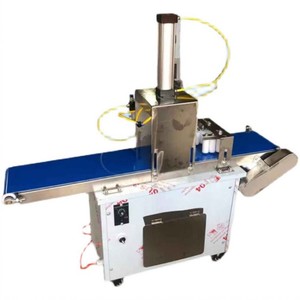
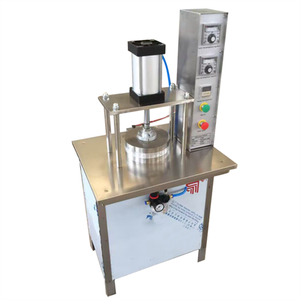
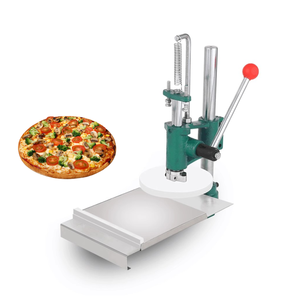
About semi automatic chapati making machine india
Where to Find Semi Automatic Chapati Making Machine Suppliers in India?
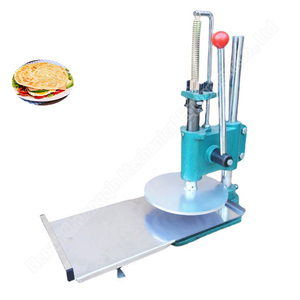
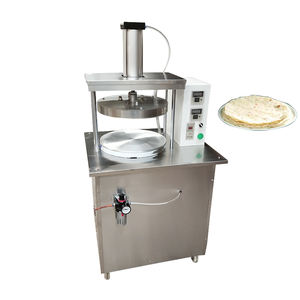
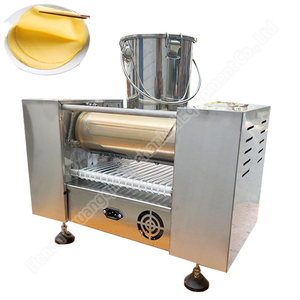
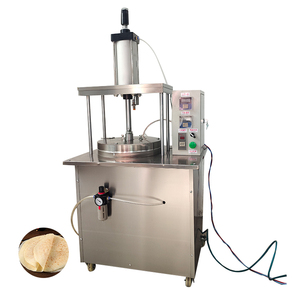
India’s semi-automatic chapati making machine manufacturing sector is characterized by a mix of domestic-focused engineering firms and export-oriented suppliers primarily based in industrial hubs such as Gujarat, Uttar Pradesh, and Maharashtra. However, global sourcing data indicates significant supply capacity from Chinese manufacturers catering specifically to the Indian market, leveraging cost-efficient production ecosystems in Henan and Shandong provinces. These regions host vertically integrated facilities specializing in food processing equipment, with over 70% of listed suppliers operating within 50 km of component fabrication clusters—enabling rapid assembly and reduced lead times.
Suppliers from Henan province, including Kaifeng and Zhengzhou, dominate output volume due to concentrated grain product machinery expertise and proximity to stainless steel and motor component suppliers. This localization reduces material costs by 18–25% compared to standalone workshops. Average production lead time for standard semi-automatic models ranges from 15–30 days, with modular designs allowing scalability from small kitchen operations (500 chapatis/hour) to commercial lines exceeding 1,000 units/hour. Buyers benefit from flexible MOQs, often starting at 1–5 units, facilitating low-risk procurement for testing and pilot deployment.
How to Choose Semi Automatic Chapati Making Machine Suppliers?
Selecting reliable suppliers requires systematic evaluation across technical, operational, and transactional dimensions:
Technical Specifications & Build Quality
Confirm construction using food-grade stainless steel (minimum SS304) for rollers, dough feeders, and heating plates to ensure hygiene compliance and corrosion resistance. Heating elements should support adjustable temperature control (typically 180–250°C) and uniform heat distribution. Machines must accommodate variable dough consistency and chapati thickness (1.5–4 mm), with user-adjustable pressure rollers. For commercial buyers, verify motor power ratings (≥1 HP) and hourly throughput claims through third-party performance logs or video demonstrations.
Production and Compliance Verification
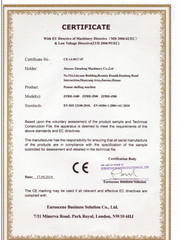
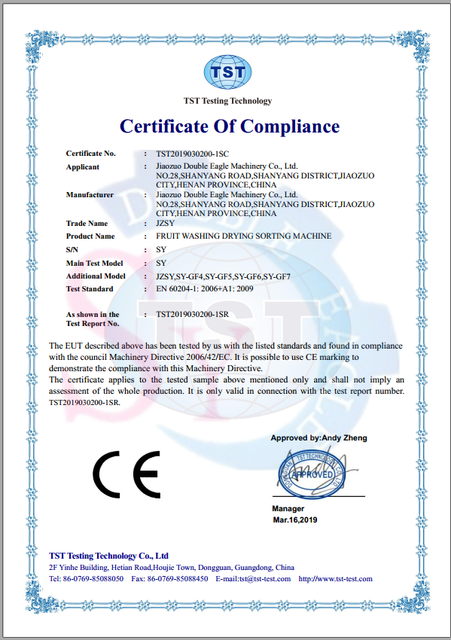
Prioritize suppliers with documented quality management systems. While ISO 9001 certification is not universally present among smaller exporters, it remains a strong indicator of process discipline. CE marking is increasingly common for mid-to-high-end models, indicating adherence to electrical safety and electromagnetic compatibility standards relevant for import into India and other regulated markets. Request test reports on critical components such as gearboxes, timers, and thermal cut-offs.
Supplier Performance Metrics
Evaluate responsiveness and reliability using verifiable KPIs:
- Response time ≤3 hours indicates dedicated customer service infrastructure
- On-time delivery rate ≥95% reflects robust logistics planning
- Reorder rate below 15% may suggest limited repeat business, warranting deeper due diligence
- Minimum 1-year warranty coverage signals confidence in product durability
Cross-reference supplier claims with transaction history and revenue estimates where available. High online revenue (>US$80,000/year) correlates with sustained export activity and after-sales support capability.
What Are the Best Semi Automatic Chapati Making Machine Suppliers?
| Company Name | Location | Main Products | Price Range (USD) | Min. Order | On-Time Delivery | Avg. Response | Online Revenue | Reorder Rate |
|---|---|---|---|---|---|---|---|---|
| GIRNAR MACHINE PRIVATE LIMITED | India | Grain Product Making Machines | $15–$7,358 | 5 pcs / 1 box | Data not available | ≤25h | Data not available | Data not available |
| LEENOVA KITCHEN EQUIPMENTS PRIVATE LIMITED | India | Other Food Processing Machinery, Commercial Kitchen Equipment | $950–$3,390 | 1 unit | Data not available | ≤5h | Data not available | Data not available |
| Henan Leiqing Machinery Equipment Co., Ltd. | Henan, CN | Grain Product Making Machines, Snack Machines | $455–$1,150 | 1 set | 85% | ≤3h | US $80,000+ | <15% |
| Kaifeng Rainbow Machinery Co., Ltd. | Henan, CN | Grain Product Making Machines, Food Processing Lines | $700–$2,100 | 1 set | 95% | ≤2h | US $10,000+ | <15% |
| Henan Deshine Machinery Co., Ltd. | Henan, CN | Grain Product Making Machines, Meat & Snack Equipment | $400–$4,950 | 1 set | 100% | ≤3h | US $80,000+ | <15% |
Performance Analysis
Indian-based suppliers like Girnar Machine and Leenova offer localized support and market-specific design adaptations but exhibit slower response times (up to 25 hours). In contrast, Chinese manufacturers demonstrate superior operational efficiency: Henan Deshine achieves a 100% on-time delivery rate, while Kaifeng Rainbow responds to inquiries in under two hours—critical advantages for time-sensitive procurement. Cost competitiveness is evident in entry-level pricing from Girnar ($15/unit at 5-piece MOQ), though such models likely serve niche or prototype applications rather than continuous operation. Mid-range models priced between $700–$1,200 from Henan-based firms balance automation level, build quality, and throughput, making them suitable for restaurant chains and centralized kitchens. Buyers seeking high-volume reliability should prioritize suppliers with verified revenue streams and full production traceability.
FAQs
What is the typical MOQ for semi automatic chapati making machines?
MOQs vary significantly: some suppliers accept orders as low as 1 unit, especially for higher-priced commercial models, while others require 5+ units for entry-tier machines. Bulk pricing typically activates at 10+ units, offering 8–15% cost reduction.
What are the average lead times after order confirmation?
Standard lead time ranges from 15 to 30 days for ready-to-ship models. Customizations involving voltage (110V/220V), plug type, or conveyor integration may extend production by 7–14 days. Air freight adds 5–10 days for delivery to Indian ports; sea freight takes 25–35 days.
Can suppliers customize machine specifications for Indian kitchens?
Yes, most suppliers support customization of voltage (220–240V), frequency (50Hz), and plug standards (Indian or BS). Some offer modifications for roti size (18–30 cm diameter), multi-flour compatibility (whole wheat, millet, besan), and compact footprints suited for space-constrained urban kitchens.
Do suppliers provide after-sales service and spare parts?
Reliable suppliers include basic spare kits (belts, heating elements) with initial shipments and offer technical support via video or manuals. Long-term service depends on buyer location; Indian buyers may need to establish local maintenance partnerships unless the supplier has an in-country agent.
How to verify machine performance before bulk ordering?
Request sample units for field testing under real operating conditions. Evaluate key metrics: chapati uniformity, breakage rate, cleaning ease, and energy consumption. Video validation of production lines and third-party inspection services (e.g., SGS) can further mitigate risk for large contracts.





