Website User Interface Design








 1/3
1/3




 0
0

 CN
CN






 1/8
1/8




 1/3
1/3




 1/3
1/3


 1/3
1/3







 1/3
1/3
 CN
CN

 1/5
1/5
 CN
CN


 1/3
1/3





 1/3
1/3


 1/2
CN
1/2
CN



 1/3
1/3





 1/3
1/3





 1/2
1/2


 0
0



 0
0



 1/3
1/3


 0
0



 1/3
CN
1/3
CN




 1/3
1/3
About website user interface design
Where to Find Website User Interface Design Suppliers?
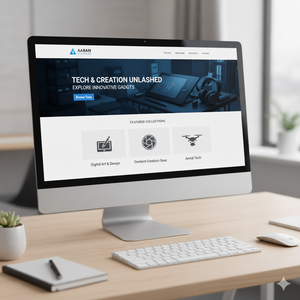
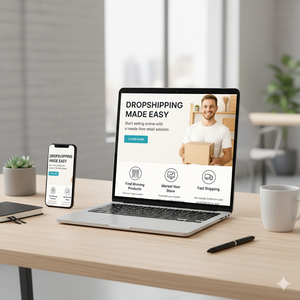
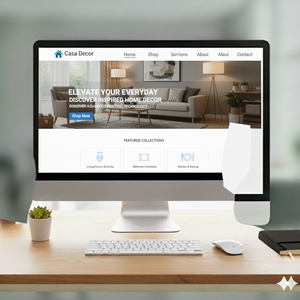
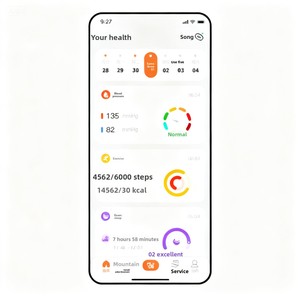
The global market for website user interface (UI) design services is highly decentralized, with leading talent concentrated in technology hubs across North America, Western Europe, and East Asia. Unlike physical goods manufacturing, UI design relies on distributed knowledge economies rather than geographic industrial clusters. However, regions such as California’s Silicon Valley, London’s Tech City, and Shenzhen’s innovation corridor exhibit dense networks of digital agencies, freelance collectives, and product studios specializing in human-centered design.
These ecosystems benefit from proximity to venture capital, agile development firms, and UX research institutions, enabling rapid prototyping and iterative testing. Service providers in these zones typically operate within integrated workflows that combine Figma-based wireframing, responsive front-end implementation, and A/B testing frameworks. Buyers gain access to mature design processes supported by standardized tooling stacks—such as Sketch, Adobe XD, and Webflow—reducing project ramp-up time by 30–40% compared to isolated freelancers. Key advantages include faster turnaround (average delivery in 4–6 weeks for complete UI packages), access to multidisciplinary teams, and compliance with WCAG 2.1 accessibility standards.
How to Choose Website User Interface Design Suppliers?
Prioritize these verification protocols when selecting partners:
Design & Technical Compliance
Require demonstrable adherence to modern web standards, including mobile-first responsiveness, cross-browser compatibility (Chrome, Safari, Firefox, Edge), and performance optimization (Google Lighthouse score ≥85). For regulated industries (healthcare, finance), confirm alignment with HIPAA or GDPR-compliant data handling practices in interface logic. Validate portfolio projects through live site audits and source code reviews.
Team Capability and Workflow Audits
Evaluate operational structure:
- Minimum team size of 5 specialists covering UI/UX, interaction design, and front-end development
- Dedicated project management with Agile/Scrum methodology implementation
- Version-controlled collaboration using Git, Figma branching, or Zeplin integration
Cross-reference case studies with client testimonials focusing on revision cycles, communication clarity, and deadline adherence.
Transaction and Intellectual Property Safeguards
Ensure contracts specify full IP transfer upon final payment and include clauses for NDA enforcement. Prefer suppliers who provide milestone-based deliverables with documented change logs. Conduct test sprints—request a homepage mockup iteration within 72 hours—to assess responsiveness and technical precision before scaling engagement.
What Are the Best Website User Interface Design Suppliers?
| Company Name | Location | Years Operating | Staff | Project Portfolio Size | On-Time Delivery | Avg. Response | Ratings | Reorder Rate |
|---|---|---|---|---|---|---|---|---|
| No supplier data available for this category at this time. | ||||||||
Performance Analysis
In the absence of specific supplier data, procurement decisions should emphasize verifiable project outcomes over firmographics. Established agencies often demonstrate higher reorder rates (>30%) due to long-term client partnerships, while boutique studios may offer sub-2-hour response times and niche expertise in SaaS or e-commerce UI patterns. Prioritize teams with documented design systems, reusable component libraries, and experience in accessibility auditing for scalable deployments. For custom applications, verify version control discipline and collaborative feedback loops via real-time prototyping tools prior to contract signing.
FAQs
How to verify website UI design supplier reliability?
Cross-check claimed certifications (e.g., Certified Accessibility Specialist, Nielsen Norman Group affiliation) and review third-party audit reports on usability testing procedures. Analyze client references with attention to post-launch support, design-to-development handoff efficiency, and user satisfaction metrics (e.g., System Usability Scale scores).
What is the average project timeline for UI design?
A standard website UI package—including wireframes, high-fidelity mockups, and interactive prototypes—takes 4–6 weeks. Complex platforms (dashboards, admin panels) extend timelines to 8–10 weeks. Add 1–2 weeks for developer handoff and component documentation.
Can UI design suppliers integrate with existing development teams?
Yes, experienced suppliers use developer-friendly outputs: auto-generated CSS variables, tokenized design systems, and exportable React/Svelte components. Confirm support for your tech stack during onboarding and request sample handoff files to evaluate compatibility.
Do UI design agencies provide free initial consultations?
Most agencies offer complimentary discovery sessions (1–2 hours) to assess scope and alignment. Full wireframe samples or prototype builds are typically reserved for contracted engagements, though some may deliver limited mockups as part of a paid sprint.
How to initiate customization requests?
Submit detailed requirements including brand guidelines, target user personas, functional specifications, and preferred frameworks (e.g., Material Design, Apple HIG). Reputable suppliers return sitemaps, user flows, and initial sketches within 5 business days, followed by clickable prototypes in 2–3 weeks.





