
For many people, switching to a menstrual cup is a game-changer—eco-friendly, cost-effective, and comfortable once you get the hang of it. But one of the most common frustrations new and even experienced users face is the cup failing to open fully once inserted. When this happens, the seal doesn’t form, leading to leaks, discomfort, and uncertainty about whether the cup is working properly. Understanding why your menstrual cup isn’t opening—and how to fix it quickly—can make all the difference in your experience.
Why Your Menstrual Cup Isn’t Opening Fully
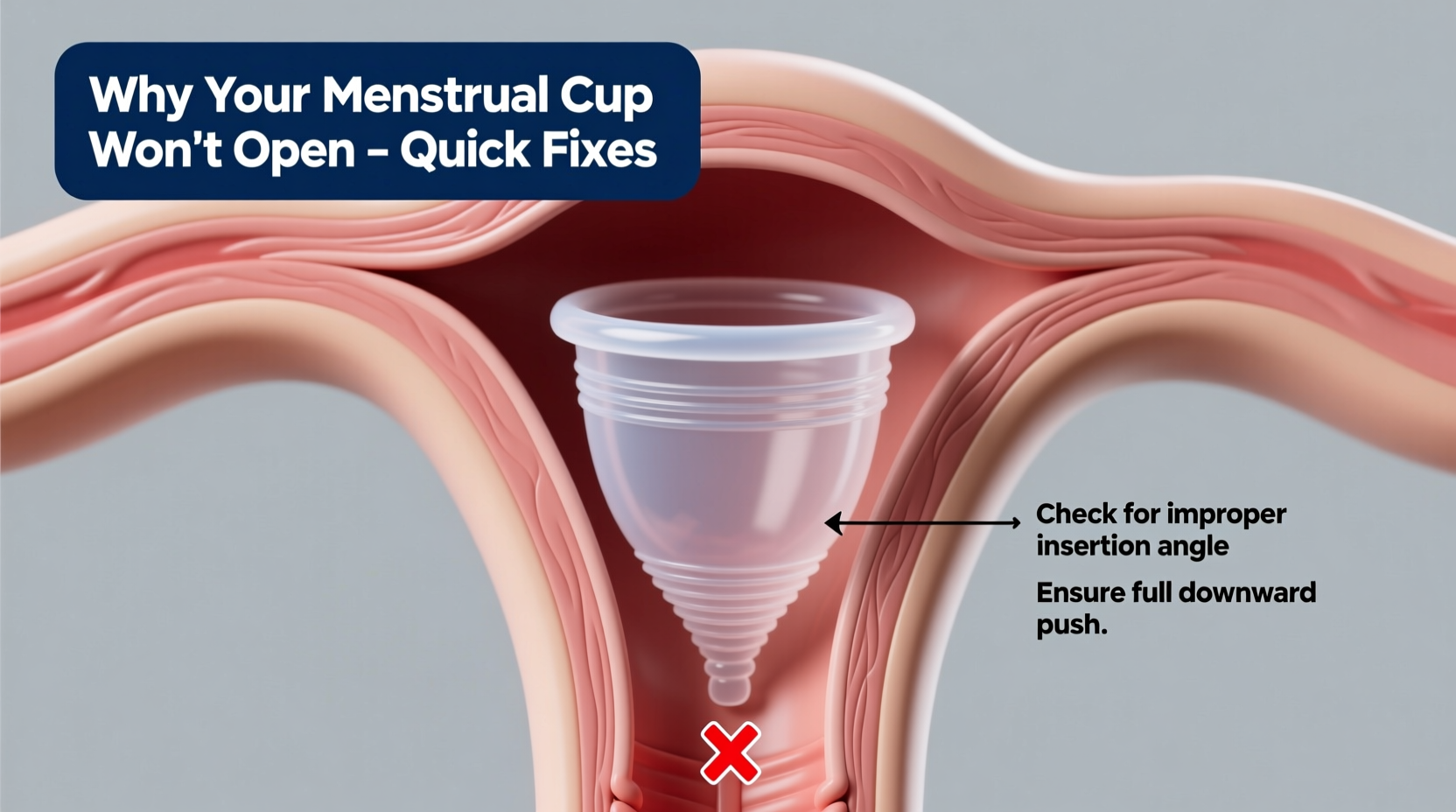
The effectiveness of a menstrual cup depends on its ability to create a gentle suction seal against the vaginal walls. This seal only forms when the cup springs open completely after insertion. If it remains folded or partially collapsed, it can’t collect fluid effectively. Several anatomical, mechanical, and behavioral factors contribute to this issue.
- Cervix position: The cervix naturally shifts throughout your cycle. During menstruation, it may sit lower or tilt toward the front or back of the vagina, making it harder for the cup to open above it.
- Incorrect fold technique: Some folds, like the punch-down or 7-fold, are more compact but may resist opening if too tight or not released properly.
- Cup size or firmness mismatch: A cup that’s too soft may struggle to pop open, especially with higher muscle tone. Conversely, a cup that’s too firm might be uncomfortable and difficult to control during insertion.
- Insufficient space: If inserted too high or angled incorrectly, the cup may hit the cervix or vaginal wall before it has room to expand.
- Tight pelvic floor muscles: Stress, nervousness, or lack of relaxation can cause the vaginal canal to constrict, preventing the cup from unfolding.
“Many users assume the problem is with the product, but more often it’s about technique, timing, and body awareness.” — Dr. Lena Patel, OB-GYN and menstrual health advocate
Quick Fixes to Help Your Menstrual Cup Open
When your cup doesn’t pop open, don’t panic. Try these immediate solutions before removing and reinserting.
1. Rotate the Cup Gently
Hold the base (not the stem) and twist the cup 360 degrees. Rotation helps release tension in the rim and encourages it to unfold. This works especially well if one side of the cup is still folded.
2. Use Your Fingers to Break the Seal and Re-Suction
If rotation doesn’t work, pinch the base to break the seal, then push the cup upward slightly while maintaining pressure. Release slowly—this movement gives the rim space to snap open.
3. Adjust Your Position
Squatting lower or lifting one leg can change the angle of your vaginal canal, giving the cup more room to open. Some users find success sitting on the toilet with knees apart or leaning forward slightly.
4. Run a Finger Around the Rim
Once inserted, slide a clean finger around the outer edge of the cup to feel for dents or folds. If you detect a crease, gently push the rim outward to help it expand. This tactile check confirms whether the cup is fully open.
5. Change Your Fold
Switch from a compact fold (like the 7-fold) to one that opens more easily, such as the C-fold or origami fold. The latter minimizes resistance and allows quicker deployment.
Step-by-Step Guide to Proper Insertion and Opening
Follow this sequence to maximize your chances of successful placement and full opening.
- Wash your hands thoroughly to prevent introducing bacteria.
- Moisten the cup with water or water-based lubricant for smoother insertion.
- Choose an effective fold—the C-fold is widely recommended for beginners.
- Relax your body—take deep breaths and consciously relax your pelvic muscles.
- Insert at a 45-degree angle toward your tailbone, not straight up.
- Push until the top rim is past your pubic bone, ensuring the entire cup is inside.
- Release the cup and let it unfold. You may hear a small “pop” or feel a subtle shift.
- Check for full opening by running a finger around the rim.
- Rotate or adjust if needed using the techniques above.
Choosing the Right Cup: Do’s and Don’ts
Selecting a cup that suits your anatomy reduces opening issues significantly. Use this guide to make an informed choice.
| Factor | Do | Don’t |
|---|---|---|
| Firmness | Choose firmer cups if you have strong pelvic muscles or a high cervix. | Avoid very soft cups if you’ve had repeated opening issues. |
| Length | Pick a longer cup if you have a high cervix; shorter if low. | Don’t assume one size fits all—even within brands. |
| Rim Design | Opt for cups with rounded, flexible rims that open easily. | Avoid rigid or thick rims if you’re sensitive or have a low tolerance. |
| Capacity | Larger capacity cups suit heavier flows but may be bulkier. | Don’t prioritize capacity over comfort and fit. |
Real-Life Example: Overcoming Persistent Opening Issues
Sophie, a 29-year-old teacher, switched to a menstrual cup after years of pads and tampons. Despite following tutorials, her cup consistently failed to open, causing leaks on day two of her period. Frustrated, she nearly gave up—until she consulted a pelvic floor therapist. The therapist observed that Sophie was tensing her muscles unconsciously during insertion. With guided breathing exercises and a switch to a slightly firmer cup, Sophie learned to relax her pelvic floor. She also started using the C-fold and inserting while squatting. Within one cycle, her cup opened reliably every time.
This case highlights how both physical and psychological factors play a role—and how small adjustments can lead to big improvements.
Checklist: Troubleshooting a Cup That Won’t Open
- ✅ Relax your body and breathe deeply before insertion
- ✅ Moisten the cup for smoother entry
- ✅ Use the C-fold or another reliable opening fold
- ✅ Insert at a 45-degree angle toward your tailbone
- ✅ Push high enough so the top rim clears the pubic bone
- ✅ Rotate the cup after insertion to help it open
- ✅ Run a finger around the rim to confirm full expansion
- ✅ Try different positions (squatting, one leg up)
- ✅ Consider switching to a firmer or differently shaped cup
- ✅ Practice insertion when not on your period to build confidence
Frequently Asked Questions
How do I know if my menstrual cup is open?
You can tell your cup is open by feeling around the rim with a clean finger. It should feel round and smooth, with no dents or folds. You might also notice a slight suction sensation when you pull lightly on the stem—if the seal holds, it’s likely open.
Can a menstrual cup get stuck if it doesn’t open?
No, it can’t get “stuck,” but a poor seal may make it harder to remove due to suction pockets. To remove, pinch the base to break the seal, then gently pull down. If you’re calm and patient, removal is always possible.
Should I trim the stem if my cup won’t open?
Stem length doesn’t affect opening. Trimming may improve comfort but won’t solve folding issues. Focus on insertion angle, fold type, and cup firmness instead.
Conclusion: Confidence Comes With Practice
Struggling with a menstrual cup that won’t open is common—but it’s rarely a reason to quit. Most issues stem from technique, not personal failure. By understanding your anatomy, experimenting with folds and positions, and choosing the right cup, you can overcome this hurdle. Every attempt builds familiarity, and soon, proper insertion will become second nature. Give yourself grace, stay curious, and keep trying. The benefits of a reliable, sustainable period product are worth the learning curve.




 浙公网安备
33010002000092号
浙公网安备
33010002000092号 浙B2-20120091-4
Comments
No comments yet. Why don't you start the discussion?