
Bleeding from the rectum is a symptom that many people experience at some point in their lives. While it can be frightening, not all cases indicate a serious condition. Bright red blood on toilet paper or in the bowl is often linked to benign issues like hemorrhoids or anal fissures. However, persistent or heavy bleeding may signal more serious gastrointestinal conditions such as colorectal cancer, inflammatory bowel disease, or infections. Understanding the possible causes, recognizing when to seek medical help, and knowing how to respond are crucial steps toward protecting your health.
Common Causes of Rectal Bleeding
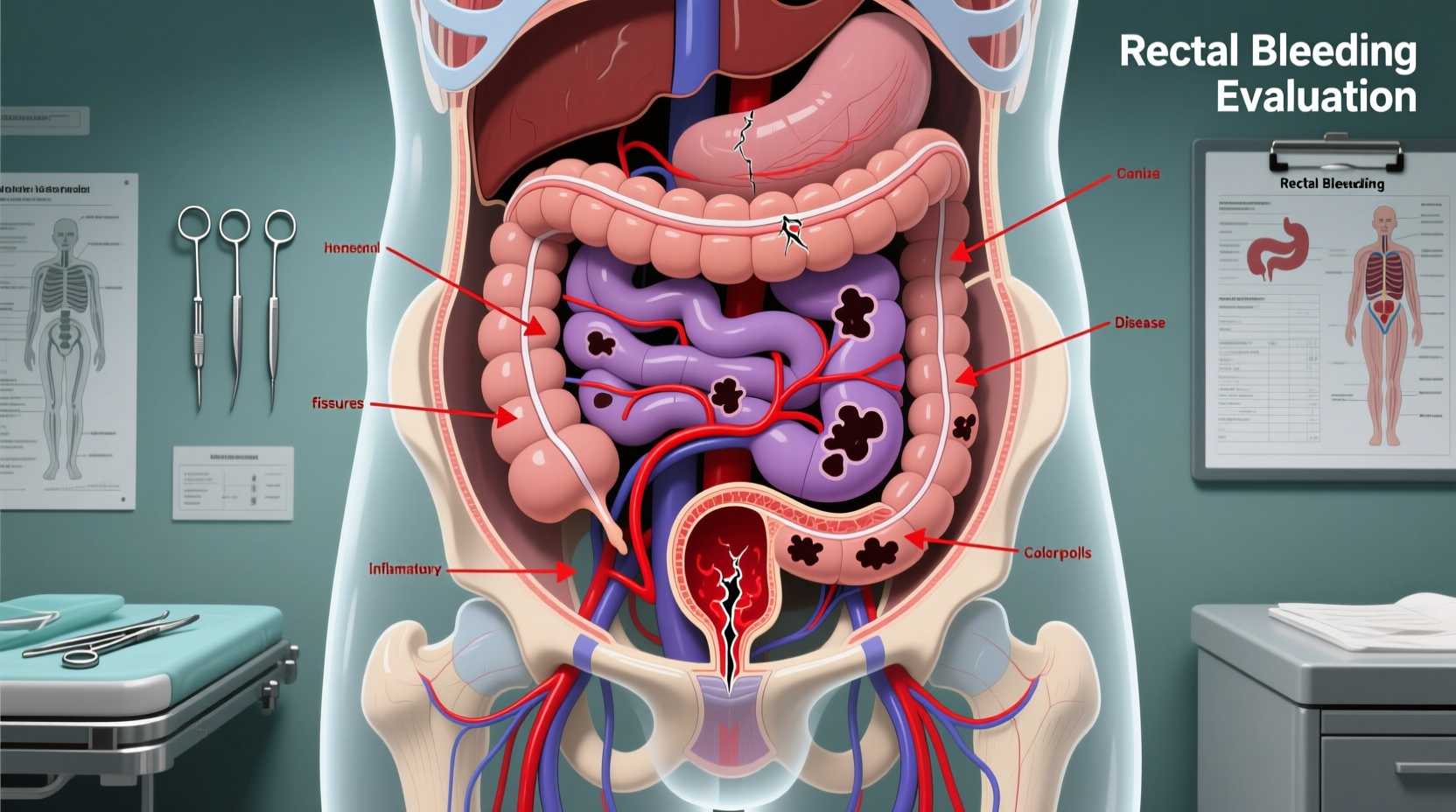
Rectal bleeding refers to the passage of blood through the anus, often noticed during or after a bowel movement. The color of the blood can offer clues about its origin: bright red usually indicates bleeding in the lower colon or rectum, while darker, tarry stools suggest bleeding higher up in the digestive tract.
- Hemorrhoids: Swollen veins in the rectum or around the anus. Common in people with chronic constipation, pregnancy, or prolonged sitting. Bleeding is typically painless and appears as bright red streaks on stool or toilet paper.
- Anal fissures: Small tears in the lining of the anus caused by passing hard stools. Often accompanied by sharp pain during bowel movements and minor bleeding.
- Colorectal polyps: Growths on the inner lining of the colon or rectum. Some can bleed and may become cancerous over time if not removed.
- Inflammatory bowel disease (IBD): Conditions like Crohn’s disease and ulcerative colitis cause chronic inflammation of the digestive tract, leading to bloody diarrhea, abdominal pain, and fatigue.
- Infections: Bacterial or parasitic infections (e.g., Salmonella, Shigella, or C. difficile) can inflame the colon and lead to bloody stools.
- Diverticulosis: Small pouches form in weak areas of the colon wall; if they become inflamed (diverticulitis), bleeding can occur suddenly and be significant.
- Colorectal cancer: A potentially life-threatening cause of rectal bleeding, especially in individuals over 50 or with a family history. Blood may be mixed with stool, and symptoms include weight loss, changes in bowel habits, and fatigue.
When to Seek Medical Attention
While occasional minor bleeding may resolve on its own, certain signs warrant prompt medical evaluation. Ignoring symptoms can delay diagnosis of serious conditions. Seek immediate care if you experience any of the following:
- Heavy or continuous rectal bleeding
- Dark red or maroon-colored stools (suggesting upper GI bleeding)
- Dizziness, lightheadedness, or fainting (signs of blood loss)
- Unexplained weight loss
- Persistent abdominal pain or cramping
- Change in bowel habits lasting more than a few days
- Fever accompanying bloody stools
“Any unexplained rectal bleeding should be evaluated by a healthcare provider. Even if symptoms seem mild, early detection of colorectal cancer significantly improves outcomes.” — Dr. Alan Reyes, Gastroenterologist
Diagnosis and Medical Evaluation
A doctor will begin with a thorough medical history and physical exam, including a digital rectal exam. Further testing may be recommended based on symptoms and risk factors.
| Diagnostic Test | Purpose | What to Expect |
|---|---|---|
| Colonoscopy | Visual inspection of the entire colon | Sedated procedure; allows biopsy and polyp removal |
| Sigmoidoscopy | Examines the lower third of the colon | Less invasive; usually no sedation needed |
| Fecal occult blood test (FOBT) | Detects hidden blood in stool | Non-invasive; used in screening programs |
| CT scan or MRI | Imaging to assess structural abnormalities | Used if cancer or abscess is suspected |
| Stool cultures | Identify bacterial or parasitic infections | Lab analysis of stool sample |
Your physician may also order blood tests to check for anemia or inflammation markers. Accurate diagnosis ensures appropriate treatment and peace of mind.
Step-by-Step Guide: What to Do If You Notice Rectal Bleeding
If you observe blood during or after a bowel movement, follow this structured approach to manage your response effectively:
- Stay Calm: Panic can worsen stress-related digestive issues. Remember, many causes are treatable.
- Observe Symptoms: Note the color, amount, and frequency of blood. Is it mixed with stool? Does it hurt? Are there other symptoms?
- Review Recent Habits: Have you had constipation, diarrhea, spicy foods, or recent travel? These may contribute to temporary irritation.
- Avoid Self-Diagnosis: Don’t assume it’s just hemorrhoids without professional assessment, especially if you’re over 40.
- Contact Your Doctor: Schedule an appointment promptly. Mention all symptoms clearly, even if they seem unrelated.
- Prepare for Evaluation: Be ready to discuss family history, diet, medications, and bowel patterns.
- Follow Through: Attend all recommended tests and adhere to treatment plans.
Prevention and Lifestyle Adjustments
Many causes of rectal bleeding are preventable with consistent healthy habits. Making small but impactful changes can reduce your risk significantly.
- Eat a high-fiber diet rich in fruits, vegetables, whole grains, and legumes to prevent constipation.
- Stay hydrated—drink at least 6–8 glasses of water daily.
- Avoid straining during bowel movements; use a small footstool to improve posture.
- Exercise regularly to support healthy digestion and circulation.
- Limit alcohol and avoid smoking, both of which can irritate the GI tract.
- Practice good anal hygiene—use soft, unscented toilet paper or moist wipes.
Mini Case Study: Recognizing a Silent Threat
Mark, a 52-year-old accountant, noticed small amounts of bright red blood on his toilet paper for several weeks. He assumed it was hemorrhoids, common in his family. He tried over-the-counter creams with little improvement. After two months, he developed fatigue and slight abdominal discomfort. His primary care doctor ordered a colonoscopy, which revealed a 3 cm adenomatous polyp in the descending colon—precancerous but not yet malignant. The polyp was removed during the procedure, preventing progression to cancer. Mark credits early intervention with saving his life. “I wish I hadn’t waited,” he said. “Even small symptoms deserve attention.”
FAQ: Frequently Asked Questions
Is rectal bleeding always a sign of something serious?
No, not always. Minor bleeding from hemorrhoids or fissures is common and often resolves with lifestyle changes. However, any new or persistent bleeding should be evaluated to rule out serious conditions.
Can young people get colorectal cancer?
Yes. While most cases occur in people over 50, rates of colorectal cancer in younger adults have been rising. Anyone with persistent symptoms, family history, or genetic syndromes should be screened earlier.
Do I need a colonoscopy if I have rectal bleeding?
It depends on your age, risk factors, and symptoms. Doctors often recommend a colonoscopy for individuals over 45 or those with concerning symptoms like weight loss, anemia, or a family history of colon cancer.
Conclusion: Take Action Before It’s Too Late
Rectal bleeding is not something to ignore or normalize. Whether it's a minor irritation or a warning sign of a deeper issue, your body is communicating that something needs attention. Early diagnosis transforms outcomes—especially when it comes to conditions like colorectal cancer, where survival rates exceed 90% when caught early. Listen to your body, document your symptoms, and consult a healthcare professional without delay. Your long-term health depends on the choices you make today.




 浙公网安备
33010002000092号
浙公网安备
33010002000092号 浙B2-20120091-4
Comments
No comments yet. Why don't you start the discussion?