
Chills are a familiar sensation—your body shivers uncontrollably, your skin prickles, and you feel cold even under layers of clothing. While often linked to infections like the flu, chills can stem from various sources, some more serious than others. Understanding why chills occur and how to respond appropriately is essential for timely recovery and avoiding complications.
Unlike simple cold sensations, chills typically indicate that your body is fighting something internally. They are part of the immune system’s response, often accompanying a fever as your internal thermostat resets to a higher temperature. But not all chills come with a high fever, and not all require urgent care. This article explores the most common causes, signs that warrant medical attention, and effective self-care strategies.
Understanding Chills: The Body’s Alarm System
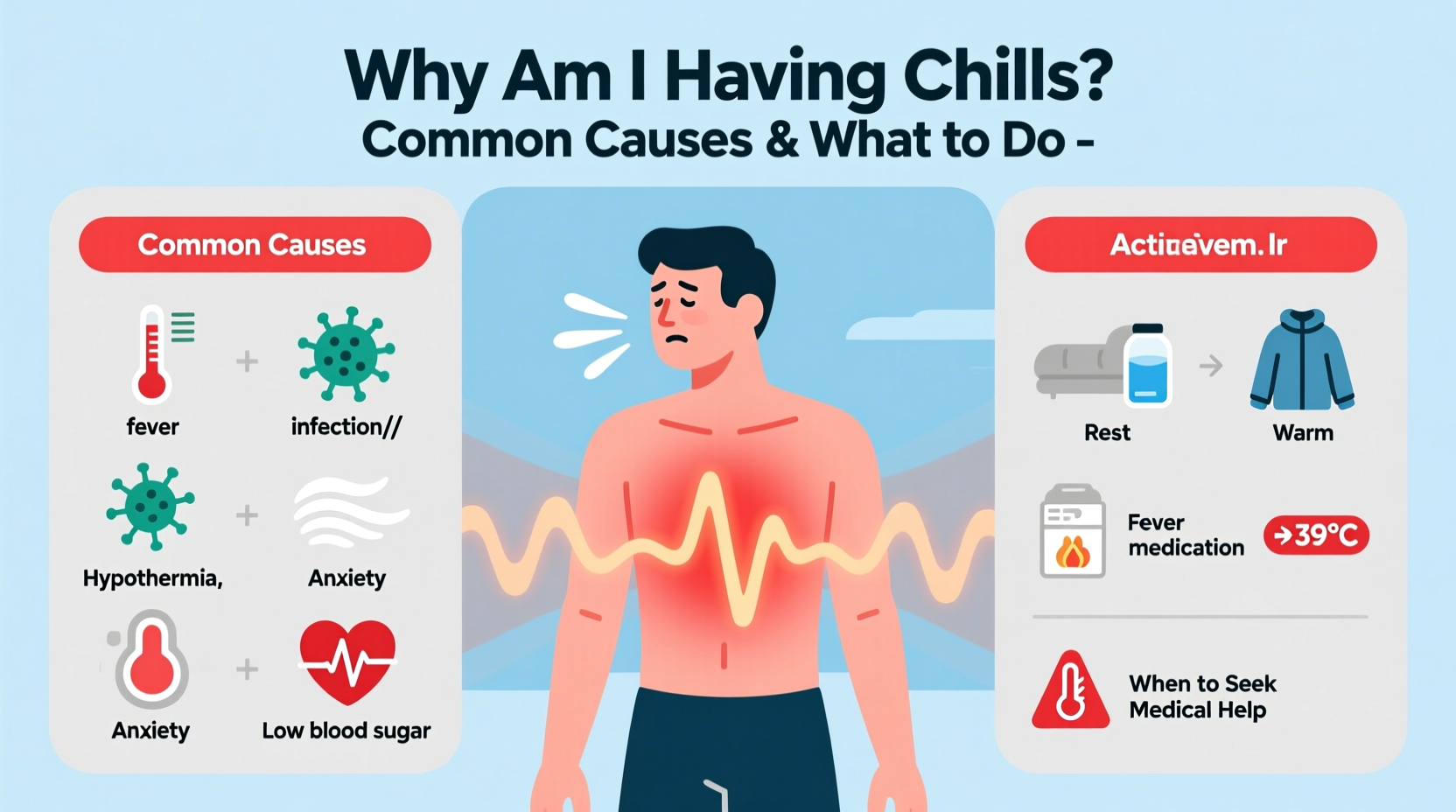
Chills occur when your muscles contract and relax rapidly in an effort to generate heat. This reflex is triggered by the hypothalamus—the brain’s temperature control center—when it detects a threat such as infection or inflammation. Even if the room is warm, your body may perceive itself as too cold and initiate shivering to raise core temperature.
This process often precedes or accompanies a fever. In fact, chills are one of the earliest signs that a fever is developing. However, they can also happen without a measurable rise in temperature, especially in older adults or those with compromised immune systems.
Common Causes of Chills
While illness is the most frequent trigger, several factors can lead to chills. Recognizing the underlying cause determines whether home care suffices or medical evaluation is needed.
Infections
Bacterial and viral infections are leading causes. When pathogens invade, the immune system releases chemicals called pyrogens that prompt the hypothalamus to increase body temperature. Common infections include:
- Influenza (flu)
- Common cold
- Urinary tract infections (UTIs)
- Pneumonia
- COVID-17
- Sinusitis
Chills in these cases usually subside as the infection resolves with rest and treatment.
Fever Without Infection
Some non-infectious conditions elevate body temperature and provoke chills:
- Autoimmune disorders: Lupus and rheumatoid arthritis can trigger fevers and chills during flare-ups.
- Cancer: Lymphoma and leukemia may present with night chills as a systemic symptom.
- Medication side effects: Certain antibiotics, antipsychotics, and drugs used in anesthesia can induce chills.
Environmental and Physiological Triggers
Not all chills are disease-related. Exposure to cold, intense physical exertion, or emotional stress can produce temporary shivering:
- Being outdoors in cold weather without adequate clothing
- Post-exercise shivering due to rapid cooling
- Anxiety or panic attacks that activate the sympathetic nervous system
“Chills are a nonspecific symptom, but their context tells the story. A chill after hiking in rain is different from recurring night chills with weight loss.” — Dr. Lena Torres, Internal Medicine Specialist
When to Seek Medical Attention
Most chills resolve within hours to a few days. However, certain red flags suggest a more serious condition requiring prompt evaluation:
| Symptom | Potential Concern | Action Recommended |
|---|---|---|
| High fever (above 103°F / 39.4°C) | Severe infection or sepsis | Seek immediate care |
| Chills lasting over 48 hours | Persistent infection or systemic illness | Consult a healthcare provider |
| Confusion or difficulty waking | Neurological involvement or dehydration | Emergency evaluation |
| Chest pain or shortness of breath | Pneumonia, heart issue, or pulmonary embolism | Go to ER |
| Dark urine or reduced urination | Dehydration or kidney involvement | Urgent hydration and assessment |
Individuals over 65, infants, pregnant women, and those with chronic illnesses should seek earlier medical input, as their bodies may respond differently to infections.
Step-by-Step Guide to Managing Chills at Home
If your chills are mild and associated with a known cause like a cold, follow this practical approach to support recovery:
- Monitor your temperature: Check every 2–4 hours using a digital thermometer. Note patterns.
- Stay hydrated: Drink water, herbal teas, or oral rehydration solutions. Fever increases fluid loss.
- Dress in layers: Use lightweight fabrics that can be added or removed as body temperature fluctuates.
- Rest: Avoid strenuous activity. Your body needs energy to fight off illness.
- Use fever reducers if needed: Acetaminophen (Tylenol) or ibuprofen (Advil) can reduce fever and discomfort. Follow dosage instructions.
- Keep the room comfortably warm: Avoid overheating with excessive blankets, which can trap heat and worsen fever.
- Eat light, nourishing foods: Broth, toast, bananas, and rice are gentle on the stomach and provide energy.
Mini Case Study: Recurring Night Chills
Sarah, a 34-year-old teacher, began experiencing chills every evening for three consecutive nights. She didn’t have a cough or sore throat but felt fatigued and noticed unexplained weight loss over the past month. Initially dismissing it as stress, she eventually consulted her doctor after developing a low-grade fever.
Blood tests revealed elevated inflammatory markers and an abnormal white blood cell count. Further imaging led to a diagnosis of Hodgkin’s lymphoma. Her chills were a systemic response to the cancer, not an infection. Early recognition of persistent chills prompted timely intervention and successful treatment.
Sarah’s case highlights that while most chills are benign, recurring or unexplained episodes deserve medical investigation, especially when paired with other subtle symptoms.
Prevention and Self-Care Checklist
Reduce your risk of chills caused by preventable conditions with this actionable checklist:
- ✔️ Wash hands frequently, especially during cold and flu season
- ✔️ Stay up to date on vaccinations (flu, pneumonia, COVID-19)
- ✔️ Dress appropriately for cold environments
- ✔️ Manage stress through mindfulness or exercise to reduce anxiety-induced chills
- ✔️ Hydrate daily, even when not ill
- ✔️ Monitor chronic conditions like diabetes or autoimmune diseases with regular checkups
- ✔️ Avoid sharing personal items like towels or utensils during outbreaks
FAQ
Can chills occur without a fever?
Yes. Some people, particularly older adults or those on certain medications, may experience chills without a measurable fever. This doesn’t rule out infection—clinical evaluation may still be necessary.
Are night chills always serious?
Not always. Occasional night chills during a cold are normal. However, recurrent night chills—especially with sweating, weight loss, or fatigue—should be evaluated by a doctor.
Can anxiety cause chills?
Absolutely. During a panic attack, the body’s fight-or-flight response can trigger shivering, cold flashes, and a sensation of chills despite normal body temperature.
Conclusion: Listen to Your Body
Chills are more than just a physical reaction—they’re signals. Whether your body is battling a virus, reacting to stress, or indicating a deeper health issue, paying attention to context, duration, and accompanying symptoms is crucial. Most episodes resolve with rest and hydration, but knowing when to seek help can make a significant difference in outcomes.




 浙公网安备
33010002000092号
浙公网安备
33010002000092号 浙B2-20120091-4
Comments
No comments yet. Why don't you start the discussion?