
Jade plants (Crassula ovata) are among the most beloved houseplants for their glossy, succulent leaves and low-maintenance nature. Often symbolizing good luck and prosperity, they’re a staple in homes and offices worldwide. But when those plump green leaves start falling off, even seasoned plant owners can feel uneasy. Leaf drop in jade plants isn’t normal under healthy conditions—it’s a signal that something in the plant’s environment or care routine needs attention.
The causes range from overwatering and poor light to pests and sudden environmental shifts. The good news? Jade plants are resilient. With prompt diagnosis and corrective action, most can recover fully. This guide walks you through the common reasons behind leaf drop, how to assess your plant’s condition, and what steps to take to bring it back to health.
Common Causes of Leaf Drop in Jade Plants
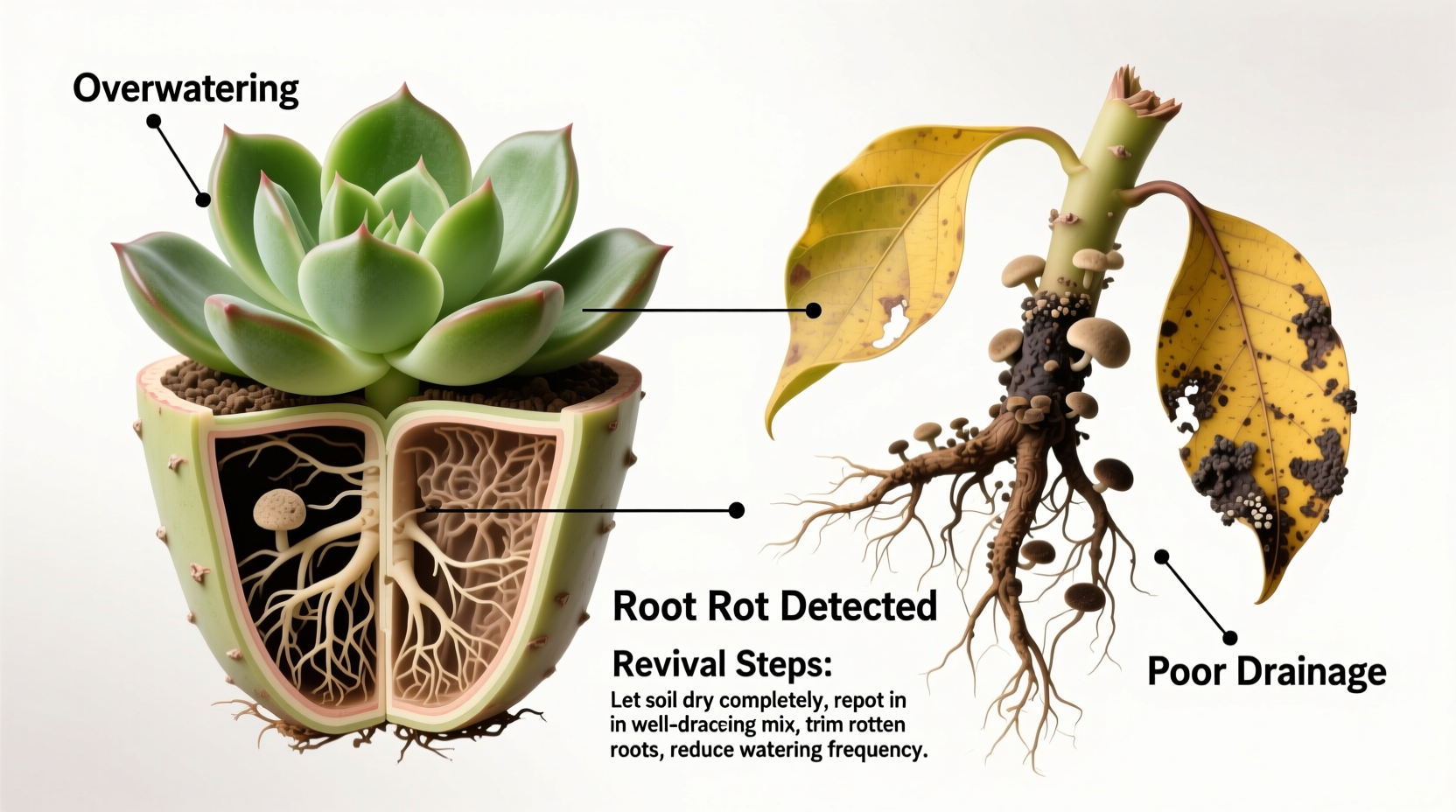
Jade plants are native to arid regions of South Africa, where they thrive in bright light and well-draining soil with infrequent watering. When grown indoors, deviations from these natural conditions often lead to stress—manifested primarily through leaf loss. Understanding the root cause is essential before attempting any fix.
- Overwatering: The leading cause of leaf drop. Excess moisture leads to root rot, which impairs nutrient uptake and causes leaves to turn yellow, become mushy, and fall.
- Underwatering: Though drought-tolerant, prolonged dryness causes leaves to shrivel and drop as the plant conserves resources.
- Poor Drainage: Pots without drainage holes or heavy soils retain water, mimicking overwatering even with moderate irrigation.
- Inadequate Light: Low light weakens the plant, causing leggy growth and leaf shedding as energy reserves deplete.
- Sudden Temperature Changes: Exposure to cold drafts, heaters, or abrupt moves stresses the plant, triggering leaf drop.
- Pests: Mealybugs, spider mites, and scale insects feed on sap, weakening the plant and promoting leaf loss.
- Nutrient Imbalance: Over-fertilizing burns roots; under-fertilizing in depleted soil limits growth and resilience.
How to Diagnose the Problem
Before reviving your jade plant, determine what’s wrong. Observe the pattern of leaf drop, texture of fallen leaves, and overall plant appearance.
- Check Leaf Texture:
- Soft, yellow, translucent leaves? Likely overwatering or root rot.
- Dry, wrinkled, shriveled leaves? Underwatering or excessive heat.
- Inspect the Soil: Is it soggy weeks after watering? Does it smell sour or moldy? These are signs of poor drainage or overwatering.
- Examine the Stem and Roots: Gently remove the plant from its pot. Healthy roots are firm and white. Brown, mushy roots indicate rot.
- Look for Pests: Check under leaves, along stems, and in crevices for cotton-like clusters (mealybugs), webbing (spider mites), or brown bumps (scale).
- Assess Light Conditions: Is the plant more than 5 feet from a window? In a dark corner? Jade needs at least 4–6 hours of bright, indirect sunlight daily.
Real Example: A Case of Misguided Care
Sarah, a plant enthusiast in Chicago, noticed her jade plant losing leaves every few days. She assumed it was thirsty and watered it twice a week. After a month, the stem began softening near the base. Upon inspection, she found black, mushy roots. Her mistake? Watering on a schedule instead of checking soil moisture. By repotting in dry, gritty mix and cutting away rotted roots, she revived the plant within six weeks. The lesson: trust the plant’s signals, not the calendar.
“Jade plants suffer more from kindness than neglect. Overwatering is the silent killer.” — Dr. Linda Chen, Horticulturist and Succulent Specialist
Step-by-Step Guide to Reviving a Drooping Jade Plant
Revival depends on the severity of damage. Follow this timeline to give your plant the best chance of recovery.
Week 1: Assessment and Stabilization
- Stop watering immediately if the soil is wet.
- Remove the plant from its pot and gently shake off excess soil.
- Trim all black or mushy roots with sterilized scissors.
- Let the plant air-dry for 24–48 hours to allow wounds to callous.
- Repurpose a clean pot with drainage holes. Use a cactus or succulent mix.
Week 2–3: Repotting and Recovery
- Plant the jade in fresh, well-draining soil. Do not water yet.
- Place in bright, indirect light—avoid direct midday sun during recovery.
- Wait 7–10 days before the first light watering. Use a spray bottle to lightly moisten the soil surface.
- Monitor for new growth or further leaf drop. No change is okay—roots need time to regenerate.
Week 4 and Beyond: Gradual Reintroduction to Normal Care
- Begin a proper watering cycle: only when the top 1–2 inches of soil are completely dry.
- Introduce gentle fertilization every 2–3 months with a balanced, diluted succulent fertilizer.
- Rotate the plant weekly for even growth.
- Watch for pests and treat early with neem oil or insecticidal soap.
Preventive Care Checklist
Once your jade plant stabilizes, follow this checklist to prevent future leaf drop:
- ✅ Use a pot with drainage holes
- ✅ Choose fast-draining succulent or cactus soil
- ✅ Water only when soil is dry 1–2 inches down
- ✅ Provide 4–6 hours of bright, indirect sunlight daily
- ✅ Keep temperatures between 65°F and 75°F (18°C–24°C)
- ✅ Avoid cold drafts and heating vents
- ✅ Fertilize lightly in spring and summer, never in winter
- ✅ Inspect monthly for pests
- ✅ Rotate the plant every 7–10 days
- ✅ Prune leggy stems to encourage bushiness
Do’s and Don’ts: Jade Plant Care Table
| Do’s | Don’ts |
|---|---|
| Water deeply but infrequently | Water on a fixed schedule regardless of soil moisture |
| Use terracotta pots for better airflow | Use decorative pots without drainage |
| Place near a south or east-facing window | Keep in dimly lit corners or bathrooms |
| Clean leaves occasionally with a damp cloth | Leave dust buildup, which blocks light absorption |
| Treat pests early with neem oil | Ignore early signs like sticky residue or tiny webs |
| Allow soil to dry completely between waterings | Mist the plant—succulents don’t benefit from humidity |
Frequently Asked Questions
Can a jade plant survive without leaves?
Yes, if the stem and roots are still alive. A bare stem with firm, green tissue can regenerate leaves once conditions improve. Continue providing light and occasional moisture, and be patient—it may take weeks.
Why are my jade plant’s leaves turning yellow and falling off?
Yellowing leaves typically point to overwatering or poor drainage. Confirm by checking soil moisture and root health. Adjust your watering habits and ensure the pot allows excess water to escape.
How long does it take for a jade plant to recover from leaf drop?
Recovery time varies. Mild cases resolve in 2–4 weeks with corrected care. Severe root rot may take 2–3 months. New growth is the best sign of recovery.
Conclusion: Act Now, Nurture Long-Term Health
A jade plant dropping leaves is not a lost cause—it’s a cry for help. Whether due to too much love (overwatering) or lack of attention (low light), the solution lies in understanding the plant’s natural needs and adjusting accordingly. By diagnosing the issue, taking deliberate revival steps, and committing to preventive care, you can restore your jade to its lush, vibrant state.
Remember, resilience is built into this plant’s DNA. With patience and informed care, it will not only survive but thrive—potentially for decades. Start today: check your plant’s soil, adjust its light, and make one small change that honors its desert heritage.




 浙公网安备
33010002000092号
浙公网安备
33010002000092号 浙B2-20120091-4
Comments
No comments yet. Why don't you start the discussion?