Auto Code Reader Producer












 1/41
1/41


 1/1
1/1




 1/3
1/3



 1/3
1/3



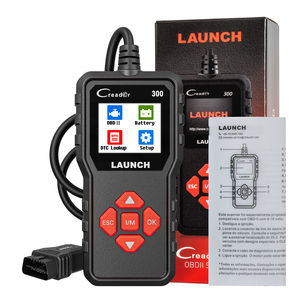 1/26
1/26

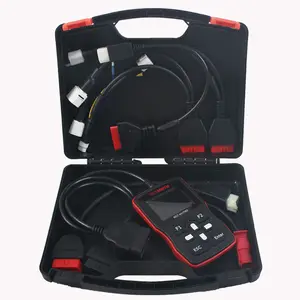
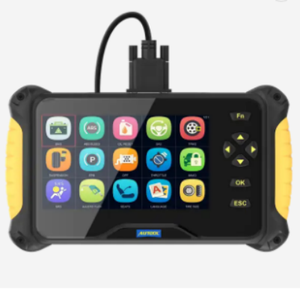

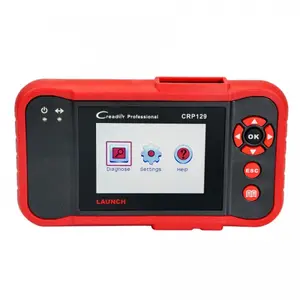
 1/3
1/3


 1/3
1/3


 1/3
1/3



 1/3
1/3



 1/3
1/3


 1/2
1/2


 1/3
1/3

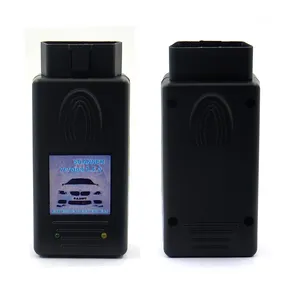


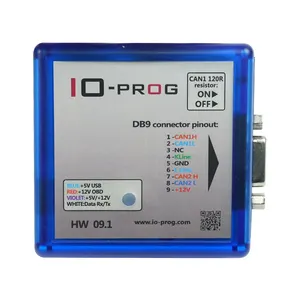
 1/3
1/3


 0
0


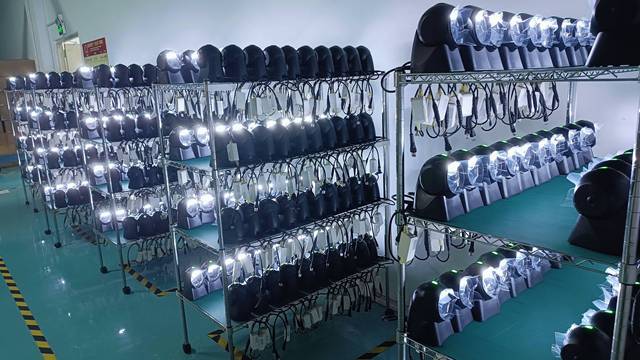 1/3
1/3



 1/3
1/3


 1/39
1/39


 1/1
1/1



 1/1
1/1
About auto code reader producer
Where to Find Auto Code Reader Producers?
China leads global production of auto code readers, with manufacturing hubs concentrated in Guangdong and Zhejiang provinces. Guangdong, particularly the Pearl River Delta region, hosts over 70% of China’s automotive diagnostic equipment manufacturers, supported by Shenzhen’s advanced electronics supply chain and rapid prototyping infrastructure. Zhejiang’s Ningbo and Wenzhou clusters specialize in cost-efficient mass production, leveraging localized access to injection molding, PCB assembly, and surface-mount technology (SMT) lines that reduce component procurement lead times by 25–35% compared to non-specialized regions.
These industrial ecosystems enable vertically integrated production—from circuit design and firmware development to final calibration—within compact geographic zones. Suppliers benefit from co-located testing laboratories, electronic component distributors, and logistics networks, allowing standard order fulfillment in 20–35 days. Buyers gain access to scalable manufacturing with 15–25% lower unit costs due to reduced material handling and overhead, alongside strong flexibility for OEM branding and functional customization on orders exceeding 500 units.
How to Choose Auto Code Reader Producers?
Implement structured evaluation criteria to ensure technical reliability and supply chain integrity:
Quality & Compliance Verification
Require ISO 9001 certification as a minimum standard for quality management systems. For export to regulated markets, confirm CE, FCC, and RoHS compliance to meet electromagnetic compatibility (EMC), safety, and environmental regulations. Request test reports validating OBD-II protocol coverage (SAE J1979 compliance) and ECU communication stability across vehicle makes.
Technical Production Assessment
Evaluate core manufacturing capabilities:
- Minimum 2,000m² production area with dedicated SMT and testing zones
- In-house firmware development team comprising ≥8% of technical staff
- Automated aging tests and CAN bus simulation rigs for pre-shipment validation
Correlate factory size and R&D staffing with product update frequency—leading suppliers release firmware upgrades quarterly.
Procurement Risk Mitigation
Utilize secure transaction mechanisms such as third-party inspection services or escrow arrangements tied to AQL 2.5 acceptance criteria. Review supplier performance history for consistent on-time delivery (>95%) and low return rates (<3%). Pre-production sampling is critical—test sample units across multiple vehicle models (domestic, European, Asian) to verify diagnostic accuracy and connection reliability before bulk ordering.
What Are the Best Auto Code Reader Producers?
No supplier data available for analysis.
Performance Considerations
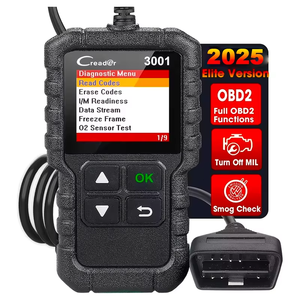
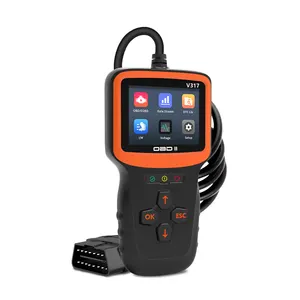
In the absence of specific supplier profiles, buyers should prioritize producers with documented experience in automotive diagnostics, verifiable export records to North America and the EU, and evidence of ongoing product development. Established manufacturers typically support multi-language interfaces, real-time data streaming, and expanded mode diagnostics beyond basic DTC reading. Confirm compatibility with 12V/24V systems and OBD-II standards (including CAN, ISO 15765-4) during technical vetting.
FAQs
How to verify auto code reader producer credibility?
Validate certifications through official databases and request audit trails for raw material sourcing, particularly microcontrollers and OBD-II interface chips. Assess software authenticity by checking for unique firmware versioning and update mechanisms. Prioritize suppliers providing full traceability from PCB batch numbers to final assembly dates.
What is the typical sampling timeline?
Standard sample production takes 7–14 days, including programming and functional testing. Custom firmware or housing modifications extend timelines to 20–25 days. Air shipping adds 5–8 days for international delivery.
Can auto code reader producers ship globally?
Yes, experienced exporters manage worldwide distribution via air or sea freight. Confirm Incoterms (e.g., FOB Shenzhen, CIF Rotterdam) and ensure packaging meets drop-test and moisture-resistance standards for long-haul transit. Most suppliers support container consolidation for multi-product shipments.
Do manufacturers offer free samples?
Sample policies vary: established producers may provide one paid sample per model, refundable against orders exceeding 300 units. Startups or smaller workshops often require full sample payment, recoverable at higher volumes. Budget for $50–$120 per unit for mid-range diagnostic tools.
How to initiate customization requests?
Submit detailed specifications including target vehicle coverage (e.g., gasoline/diesel, EV compatibility), language requirements, display type (LCD/OLED), and desired diagnostic functions (live data, actuation tests, adaptation). Leading producers deliver UI mockups within 5 business days and functional prototypes in 3–4 weeks.





