Database Browser








 1/3
1/3

 CN
CN



 0
0


 0
0




 1/2
1/2


 0
0


 1/3
CN
1/3
CN




 1/6
1/6



 1/2
1/2



 1/3
1/3


 1/3
1/3


 1/3
1/3



 0
0




 0
0



 1/3
1/3

 1/3
1/3
 CN
CN
 1/3
1/3



 0
0


 0
0



 0
0
About database browser
Where to Find Database Browser Suppliers?
No verified suppliers for database browser software or related tools are currently available in the dataset. Unlike physical machinery with established manufacturing clusters, database browser solutions are typically developed by distributed software firms or IT service providers without centralized geographic production hubs. As a result, sourcing decisions must focus on technical expertise, development frameworks, and compliance with data security standards rather than industrial infrastructure.
In absence of hardware-based supply chains, procurement strategies should emphasize digital due diligence—evaluating code quality, integration capabilities, and adherence to cybersecurity protocols such as GDPR, SOC 2, or ISO/IEC 27001. Buyers should prioritize vendors with documented development lifecycles, version control practices, and transparent update policies to ensure long-term maintainability and system compatibility.
How to Choose Database Browser Suppliers?
Given the lack of supplier data, selection criteria must be grounded in verifiable technical and operational benchmarks:
Technical Compliance
Require evidence of conformance with recognized data protection regulations, particularly if operating in regulated sectors (e.g., healthcare, finance). Validate support for encryption at rest and in transit, role-based access controls, and audit logging. Open-source solutions should provide publicly accessible repositories with active contribution histories and vulnerability disclosure records.
Development Capability Assessment
Evaluate the vendor’s software engineering maturity through:
- Use of standardized development environments (e.g., .NET, Python, Electron)
- Provision of API documentation and SDKs for customization
- Release frequency and patch management timelines
Request demonstration builds or sandbox access to assess UI/UX performance across database types (SQL, NoSQL, cloud-hosted instances).
Transaction Safeguards
For proprietary software, require licensing agreements that specify usage rights, update entitlements, and source code escrow provisions where applicable. Conduct third-party security reviews before deployment. When engaging custom developers, use milestone-based payment structures secured through contractual SLAs covering delivery timelines and post-launch support.
What Are the Best Database Browser Suppliers?
No supplier profiles are available in the current dataset. Without concrete information on company size, development capacity, response times, or customer satisfaction metrics, comparative analysis cannot be performed. Buyers are advised to compile candidate lists through industry forums, software review platforms, and peer recommendations, focusing on entities with proven track records in delivering secure, scalable database interface tools.
Performance Analysis
In the absence of quantifiable supplier data, risk mitigation becomes paramount. Prioritize vendors offering free trial versions, detailed technical documentation, and responsive developer support. Open-source projects with strong community engagement—measured by GitHub stars, issue resolution rates, and contributor diversity—may present lower dependency risks compared to single-vendor proprietary solutions.
FAQs
How to verify database browser supplier reliability?
Review public code repositories, security audits, and user testimonials from similar organizational environments. Confirm whether the tool supports multi-factor authentication, connection via SSH tunneling, and compliance with your organization’s data governance framework. Engage independent cybersecurity consultants to perform penetration testing on evaluation builds.
What is the average sampling timeline?
Most database browser applications offer instant access to trial or community editions. Full-featured demos are typically provisioned within 24–48 hours. Custom development projects require 2–6 weeks for prototype delivery, depending on complexity and integration requirements.
Can suppliers ship database browser software worldwide?
Yes, software distribution is inherently global via digital download or cloud deployment. Licensing models may vary by region due to data sovereignty laws. Ensure the supplier complies with export control regulations if deploying across international jurisdictions.
Do manufacturers provide free samples?
Free versions are standard across both open-source and commercial offerings. These often include core functionality with limitations on advanced features, concurrent connections, or technical support. Enterprise-grade capabilities usually require paid licenses or subscription plans.
How to initiate customization requests?
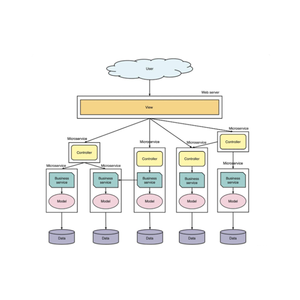
Submit detailed functional specifications including supported database engines (e.g., PostgreSQL, MongoDB, MySQL), required query execution features, schema visualization needs, and branding or UI localization requirements. Reputable developers will respond with implementation timelines, cost estimates, and architectural diagrams within 5–10 business days.





