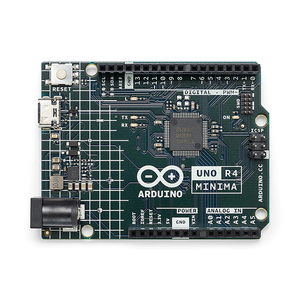
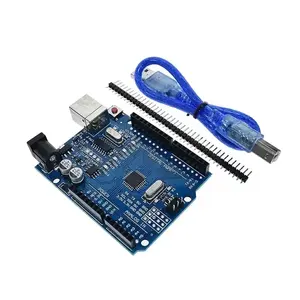
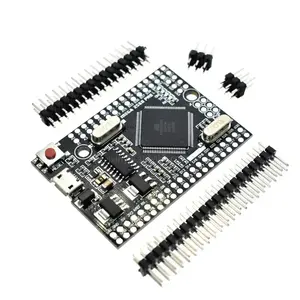
Placas Arduino


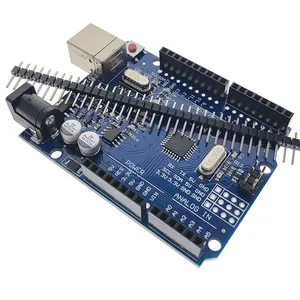


 1/3
1/3


 1/3
1/3




 1/8
1/8



 0
0


 1/3
1/3


 1/2
1/2




 1/3
1/3



 1/3
1/3




 1/2
1/2


 1/15
1/15


 1/1
1/1




 1/3
1/3

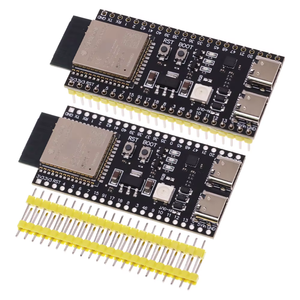


 1/2
1/2

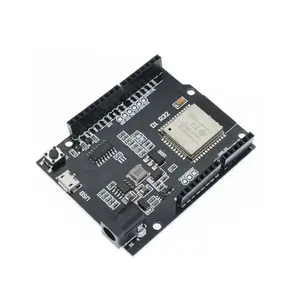

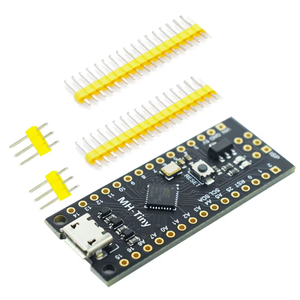


 1/3
1/3


 1/2
1/2



 1/3
1/3








 1/20
1/20



 1/3
1/3


 1/3
1/3



 1/3
1/3
About placas arduino
Where to Find Arduino Board Suppliers?
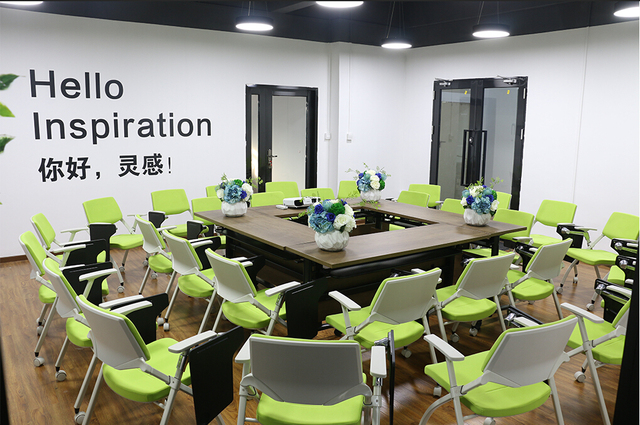
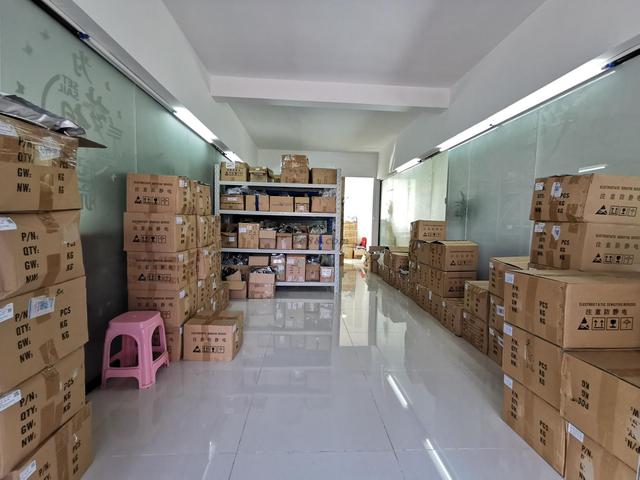
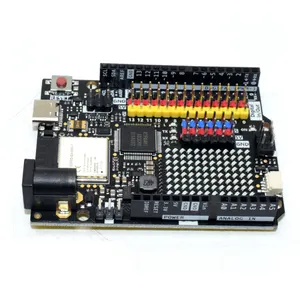
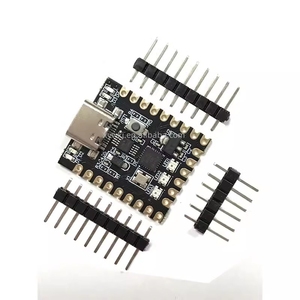
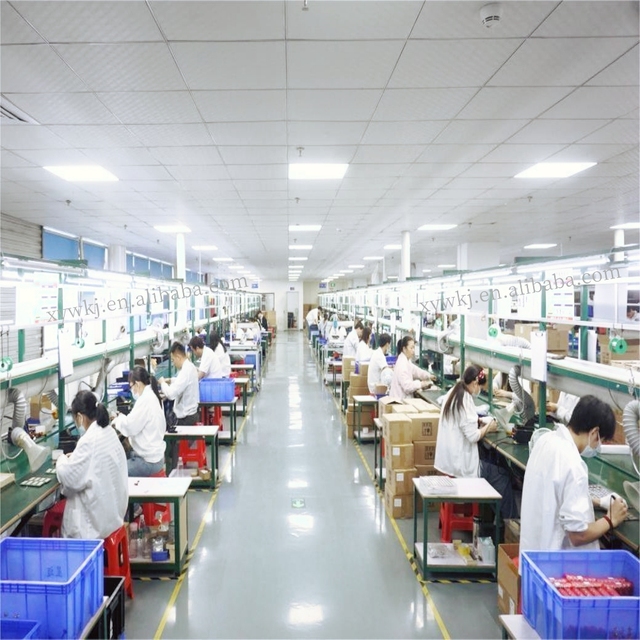
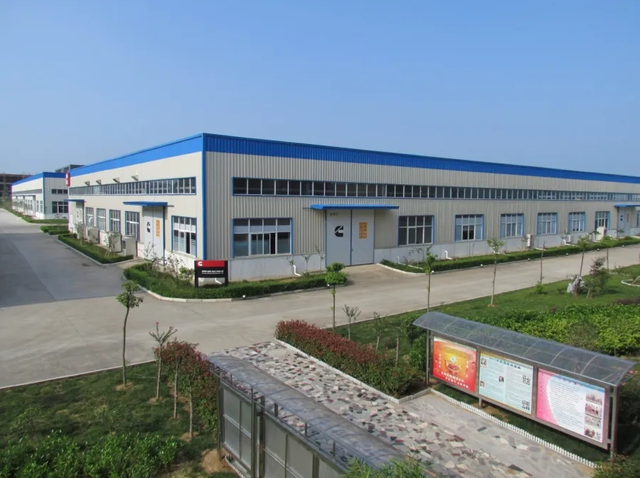
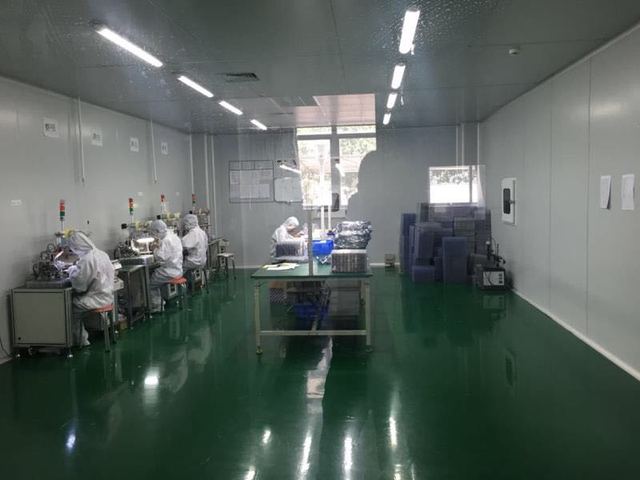
China remains the central hub for electronic component manufacturing, with specialized production clusters in Guangdong and Jiangsu provinces leading in microcontroller and development board output. Shenzhen, located in Guangdong, hosts over 70% of China’s electronics OEMs and ODMs, supported by a dense network of PCB fabricators, IC distributors, and surface-mount technology (SMT) assembly lines. This ecosystem enables rapid prototyping and scalable production, with average lead times for standard placas Arduino ranging from 15 to 25 days.
Jiangsu’s Suzhou and Wuxi zones focus on high-precision electronics manufacturing, leveraging automation to achieve tighter tolerances in soldering and component placement. These regions benefit from proximity to semiconductor packaging facilities, reducing material procurement cycles by 20–30% compared to non-integrated supply chains. The industrial infrastructure supports batch production efficiencies, allowing suppliers to offer competitive pricing—typically 25–40% below Western-assembled equivalents—while maintaining compliance with international electronics standards.
How to Choose Arduino Board Suppliers?
Procurement decisions should be guided by structured evaluation criteria to ensure technical reliability and supply chain integrity:
Quality & Compliance Verification
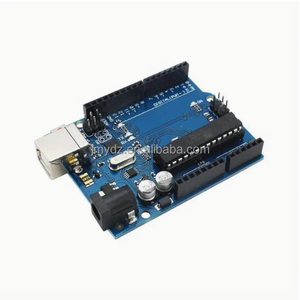
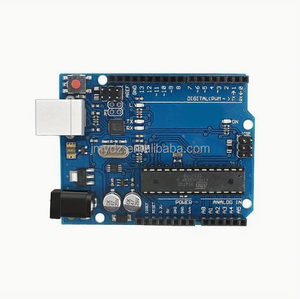
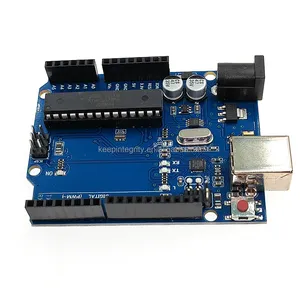
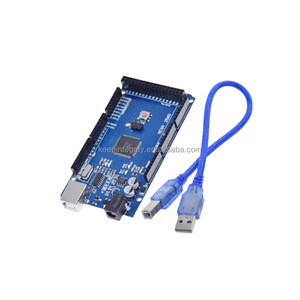
Confirm adherence to ISO 9001 for quality management and IEC 62368-1 for electrical safety. For markets requiring environmental compliance, validate RoHS and REACH declarations through test reports. Genuine or compatible placas Arduino must use standardized ATmega328P or ESP32 microcontrollers with documented firmware compatibility.
Production Capability Assessment
Evaluate key operational indicators:
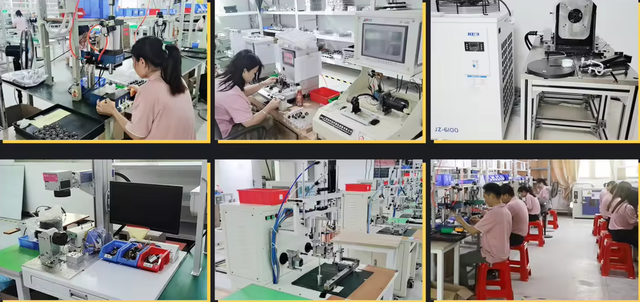
- Minimum 3,000m² SMT and DIP production area for mixed-technology assembly
- In-house PCB testing (ICT/FCT) and automated optical inspection (AOI) systems
- Dedicated R&D or engineering support team for custom variants
Cross-reference production capacity with order volume requirements, ensuring scalability without compromising defect rates (target: <0.3% PPM).
Transaction & Risk Mitigation
Utilize secure payment methods such as letter of credit or third-party escrow for initial orders. Prioritize suppliers with verifiable export experience to your target market, particularly those familiar with FCC or CE marking procedures. Pre-shipment inspections should include functional testing of USB-to-serial communication, PWM output stability, and analog reference voltage accuracy.
What Are the Best Arduino Board Suppliers?
| Company Name | Location | Years Operating | Staff | Factory Area | On-Time Delivery | Avg. Response | Ratings | Reorder Rate |
|---|---|---|---|---|---|---|---|---|
| Supplier data not available for this product category at this time. | ||||||||
Performance Analysis
While specific supplier metrics are currently unavailable, historical trends indicate that manufacturers in Shenzhen typically demonstrate higher responsiveness and faster turnaround due to mature electronics ecosystems. Buyers should prioritize partners with documented experience in open-source hardware production, clear labeling of compatible vs. original designs, and transparent BOM disclosure. Reorder rates above 30% often correlate with consistent quality control and effective technical support—key indicators when evaluating new suppliers.
FAQs
How to verify Arduino board supplier reliability?
Request evidence of factory audits, ISO certification records, and sample batch test results. Validate component traceability by reviewing BOMs and supplier lists for critical ICs. Assess responsiveness and technical knowledge during pre-order communications.
What is the average sampling timeline?
Standard Arduino-compatible board samples are typically produced within 7–14 days. Custom configurations involving modified pinouts, additional peripherals, or unique form factors may require 20–30 days, including programming and functional validation.
Can suppliers ship placas Arduino worldwide?
Yes, most established electronics manufacturers support global shipping via air or sea freight under FOB, CIF, or DDP terms. Ensure compliance with destination regulations regarding electronic imports, especially for battery-powered or wireless-enabled variants.
Do manufacturers provide free samples?
Sample policies vary. Many suppliers offer one paid sample to cover material and labor costs, refundable against future bulk orders. Free samples are occasionally provided for high-volume prospects (e.g., MOQ ≥ 500 units).
How to initiate customization requests?
Submit detailed specifications including MCU type, operating voltage, added modules (e.g., Wi-Fi, motor drivers), and mechanical drawings. Reputable suppliers will provide gerber files, component placement layouts, and prototype units within 3–5 weeks for approval.





