




What Is A Qr Code









 1/25
1/25




 1/26
1/26


 1/47
1/47






 1/3
1/3


 1/3
1/3


 1/3
1/3




 1/3
1/3




 1/2
1/2




 1/3
1/3




 1/3
1/3


 1/3
1/3




 1/3
1/3



 1/2
1/2






 1/9
1/9




 1/3
1/3


 1/3
1/3


 1/3
1/3


 1/2
1/2
About what is a qr code
What Is a QR Code?
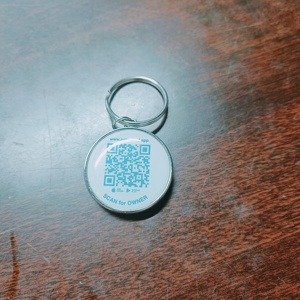
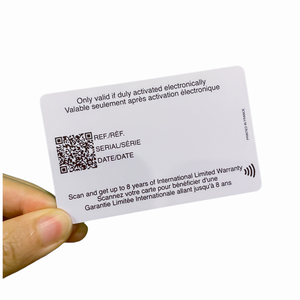
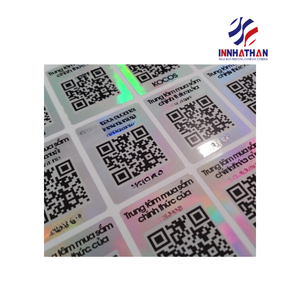
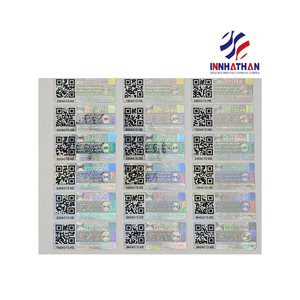
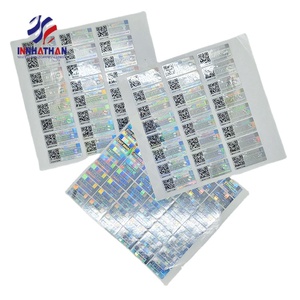
A QR (Quick Response) code is a two-dimensional barcode composed of black squares arranged on a white background in a square grid, capable of storing large amounts of data compared to traditional barcodes. Invented in 1994 by Denso Wave, a subsidiary of Toyota, QR codes were initially developed for tracking automotive parts during manufacturing. Today, they are widely used across industries for applications including contactless payments, product authentication, marketing campaigns, inventory management, and document sharing.
QR codes can encode various data types—numeric, alphanumeric, binary, and Kanji—with standard versions ranging from Version 1 (21×21 modules) to Version 40 (177×177 modules), supporting error correction levels (L, M, Q, H) that allow up to 30% damage recovery. Their fast readability and high storage capacity make them ideal for supply chain traceability, where real-time access to production logs, certifications, and shipping details enhances transparency and compliance.
How Are QR Codes Generated and Used in Industrial Applications?
Industrial-grade QR code systems integrate with enterprise resource planning (ERP) and manufacturing execution systems (MES) to automate data capture throughout the production lifecycle. Dynamic QR codes enable remote content updates without altering the physical code, while static codes store fixed information such as serial numbers or batch IDs. Key generation parameters include error correction level, mask pattern optimization, and module size, which affect scannability under variable lighting and surface conditions.
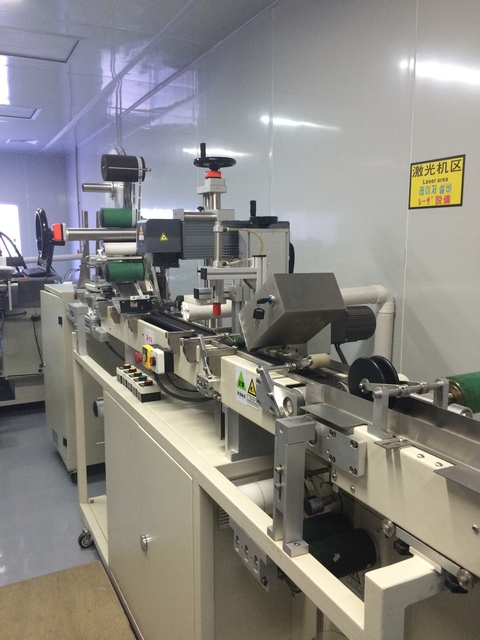
In manufacturing environments, QR codes are printed or etched using laser marking, thermal transfer, direct part marking (DPM), or inkjet printing, depending on substrate durability requirements. Materials such as metal, plastic, glass, and composite panels require tailored contrast ratios and surface finishes to ensure reliable scanning. ISO/IEC 18006 and ISO/IEC 15415 provide grading standards for print quality, assessing parameters like modulation, contrast, and cell placement accuracy.
What Are the Technical Requirements for Reliable QR Code Implementation?
Ensure compliance with industry-specific performance benchmarks:
Data Integrity & Encoding Standards
Use UTF-8 encoding for multilingual support and GS1 standards for global trade item identification. Implement Reed-Solomon error correction algorithms to maintain readability in harsh environments. For regulated sectors (e.g., medical devices, aerospace), validate data structure against ISO/IEC 15459 for unique identifier permanence.
Material and Environmental Resilience
Evaluate substrate compatibility based on operational exposure:
- Minimum contrast ratio of 60% between modules and background
- Surface roughness (Ra) below 3.2 µm for DPM-marked metal components
- UV-resistant inks or protective laminates for outdoor deployment
Test legibility using ISO-compliant verifiers (e.g., Axicon or Cognex systems) to achieve Grade B or higher across multiple scan angles.
System Integration & Traceability
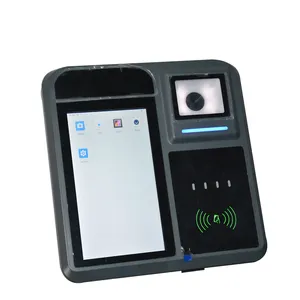
Integrate QR code readers with PLCs or SCADA systems for automated process control. Ensure bidirectional data flow between field scans and cloud-based databases to support full-lifecycle tracking. Encryption protocols (AES-256) should protect sensitive data stored within dynamic codes, particularly in anti-counterfeiting applications.
Where Are QR Code Solutions Deployed Across Supply Chains?
| Application Sector | Use Case | Compliance Standard | Typical Data Stored | Reader Type | Lifespan Requirement |
|---|---|---|---|---|---|
| Automotive | Component traceability | AIAG, IATF 16949 | Serial number, production date, plant ID | Fixed-mount industrial imagers | 10+ years |
| Electronics | PCB tracking | IPC-1788 UDI | Batch ID, firmware version, test results | High-resolution area scanners | 5–15 years |
| Pharmaceuticals | Anti-diversion, serialization | DSCSA, EU Falsified Medicines Directive | GTIN, expiration date, random unique code | Handheld verifiers with validation reports | Until expiry + 1 year |
| Logistics | Pallet and container labeling | GS1-128, SSCC-18 | Destination, weight, handling instructions | Ruggedized mobile computers | Single-use to 3 years |
| Consumer Goods | Marketing, warranty registration | None (brand-specific) | URL, promo code, product manual link | Smartphones, POS scanners | Indefinite (dynamic) |
Performance Analysis
High-reliability sectors like automotive and pharmaceuticals demand permanent marking methods (laser engraving, dot peening) and full audit trails compliant with regulatory frameworks. Consumer-facing deployments prioritize ease of access via smartphone scanning, often using dynamic URLs with analytics integration. The electronics industry leverages micro QR codes (up to 35×35 modules) for small component tagging, requiring high-precision imaging systems for decoding. As digital twin adoption grows, QR codes serve as entry points to real-time machine health data, maintenance logs, and calibration records, increasing demand for secure, scalable encoding infrastructure.
FAQs
Can QR codes be scanned reliably in low-light industrial settings?
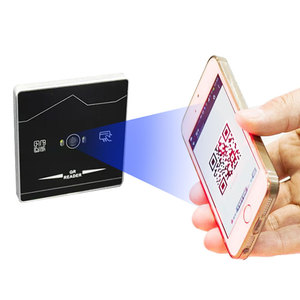
Yes, provided sufficient module-to-background contrast is maintained. Infrared-readable inks and retroreflective substrates improve detection in dark environments. Fixed-position readers with built-in illumination (red LED or white light) enhance decode success rates in enclosed machinery or underground facilities.
What is the minimum recommended QR code size?
The minimum printable size depends on module pitch and reader resolution. For standard industrial scanners, a 2 mm × 2 mm code (Version 2, 25×25 modules) is viable when printed at 600 dpi. Smaller codes (e.g., Micro QR) down to 1 mm² require specialized optics and are typically used in semiconductor or medical device manufacturing.
Do QR codes support encryption?
While QR codes themselves do not encrypt data, the encoded payload can be pre-encrypted before generation. Secure implementations use tokenization or AES encryption for sensitive fields, with decryption handled server-side upon scan. Public-facing codes should avoid exposing personally identifiable information (PII).
How long does it take to implement an enterprise QR system?
Deployment timelines vary: pilot projects with predefined templates take 2–4 weeks; full ERP-integrated rollouts across multiple sites require 8–16 weeks. Critical path items include database schema alignment, printer/reader procurement, staff training, and verification protocol establishment.
Are there cost differences between static and dynamic QR codes?
Static codes have no recurring costs and are suitable for mass printing. Dynamic codes involve subscription-based platforms for URL management, scan analytics, and access controls. Per-code generation costs range from $0.001 (static) to $0.02–$0.05 (dynamic) at scale, excluding infrastructure investment.





