
Root celery, often mistaken for its leafy cousin, is a distinct vegetable with a concentrated, earthy flavor that elevates stocks, stews, and braises. While stalk celery is prized for its crisp texture and fresh bite, root celery—also known as celeriac—is cultivated for its dense, knobby bulb. This underground storage organ packs an intense celery essence, making it a secret weapon in professional kitchens and traditional European cuisine. Despite its growing popularity, many home cooks remain unfamiliar with how to select, prepare, and utilize it effectively. Clarifying its identity, uses, and culinary advantages unlocks new dimensions in savory cooking.
Definition & Overview
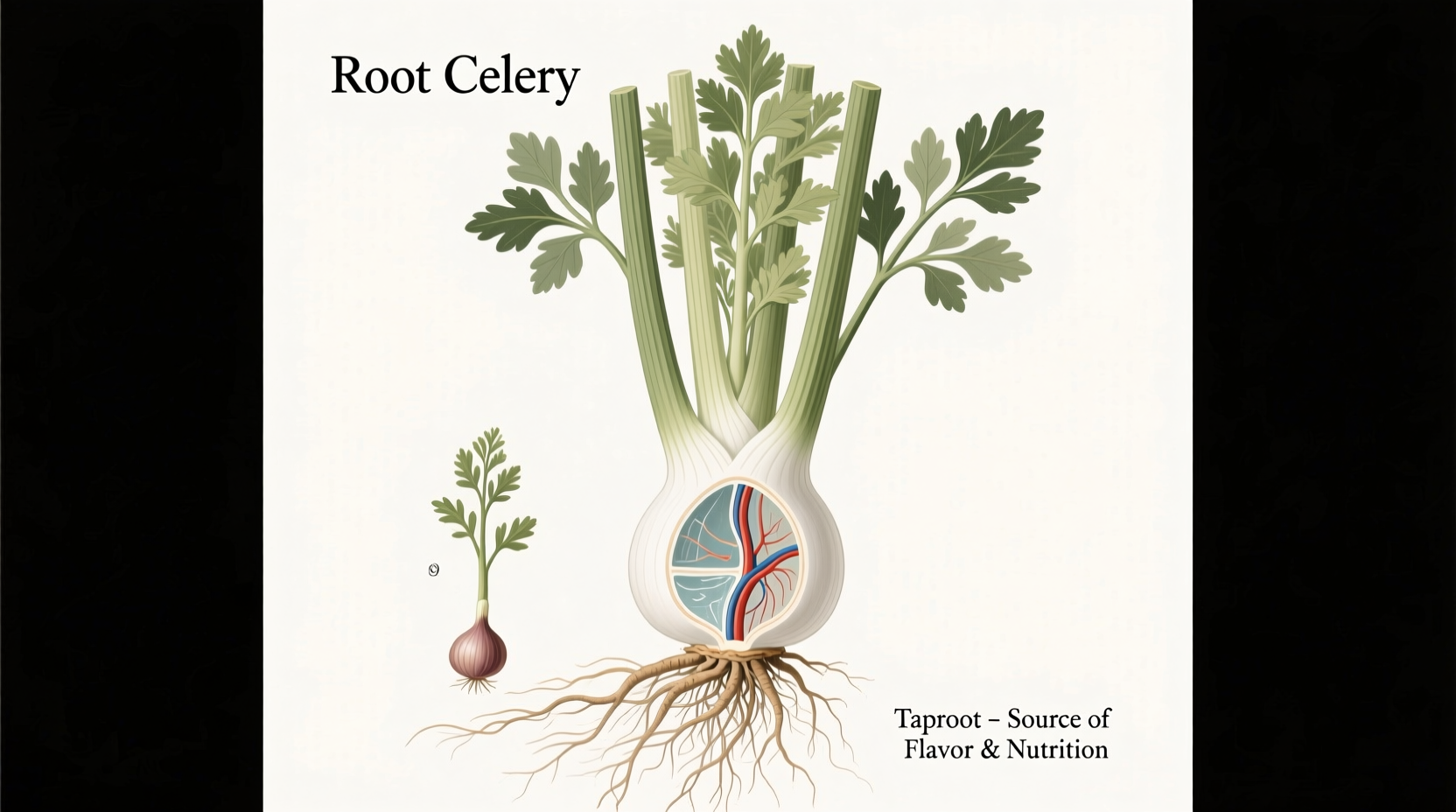
Root celery (Apium graveolens var. rapaceum) is a cultivar of wild celery selectively bred for its enlarged, edible hypocotyl—the swollen stem base just above the roots. Unlike common celery, which develops elongated petioles (stalks), root celery channels energy into forming a globular, brownish bulb typically ranging from 3 to 6 inches in diameter. Native to the Mediterranean region, it has been cultivated since antiquity but gained prominence in Central and Eastern Europe, where it features prominently in soups, purees, and cold salads.
The exterior is tough, irregular, and covered in fine root hairs, requiring thorough peeling before use. Beneath the coarse skin lies firm, ivory-colored flesh with a faintly sweet, herbal aroma reminiscent of celery seed but more nuanced—earthy, slightly nutty, and mildly peppery. When raw, the texture is crisp; when cooked, it softens to a creamy consistency similar to parsnip or potato, though with far less starch.
Though sometimes labeled “celery root” in grocery stores, this term can cause confusion. Root celery is not the root of stalk celery—it is a different variety altogether, developed specifically for subterranean development rather than upright growth.
Key Characteristics
| Attribute | Description |
|---|---|
| Flavor Profile | Earthy, herbal, distinctly celery-like with subtle nuttiness and mild bitterness. More concentrated than stalk celery. |
| Aroma | Pronounced celery fragrance, especially when cut or grated. Slight anise or parsley notes detectable upon close inspection. |
| Color & Form | Brown, knobby outer skin; pale white to cream interior. Irregular globe shape, often with protruding root stubs. |
| Texture (Raw) | Firm, crunchy, fibrous—similar to jicama or turnip. |
| Texture (Cooked) | Creamy, smooth, and tender. Breaks down easily under prolonged heat. |
| Culinary Function | Aromatic base ingredient, thickener in purees, flavor enhancer in stocks, textural component in salads. |
| Shelf Life | Up to 3–4 weeks refrigerated in a crisper drawer if unwashed and uncut. Deteriorates rapidly once peeled. |
Practical Usage: How to Use Root Celery in Cooking
Root celery’s versatility spans raw and cooked applications, from foundational aromatics to standalone dishes. Its potent flavor means small amounts can significantly influence a dish’s profile, particularly in liquid-based preparations.
As an Aromatic Base (Mirepoix Alternative)
In French and Central European cuisines, root celery frequently replaces or complements traditional mirepoix (onion, carrot, celery stalk). Finely diced root celery sautéed in butter or oil forms the backbone of rich soups, sauces, and braising liquids. Because it contains less water than stalk celery, it contributes deeper flavor without diluting the dish.
Example application: In a classic beef bourguignon, replace half the stalk celery with equal parts diced root celery. The result is a more robust, layered aroma with enhanced savoriness.
In Stocks and Broths
One of root celery’s most powerful uses is in stock-making. Simmered for hours, the bulb releases volatile oils and glutamates that amplify umami. Chefs prize it for adding complexity without clouding the broth—a common issue with overused stalk celery.
Ratio guideline: For every gallon of stock, use one medium root celery (about 8 oz), peeled and coarsely chopped. Combine with onions, carrots, leeks, bay leaves, and peppercorns. Avoid boiling vigorously; maintain a gentle simmer to preserve clarity and extract maximum flavor.
Pro tip: Save trimmed peels and outer layers (free of dirt) to freeze for future stock. These contain concentrated aromatic compounds and can be added directly to bone or vegetable stock without pre-washing.
In Purees and Mashed Dishes
Blended root celery creates silky, aromatic purees ideal as side dishes or sauce bases. Combined with potatoes, it produces a lighter, more flavorful mash. Alone, it makes an elegant, low-starch alternative for those managing carbohydrate intake.
Recipe technique: Boil 1 lb peeled and cubed root celery in salted water until fork-tender (15–20 minutes). Drain thoroughly, then blend with warm cream, unsalted butter, white pepper, and a pinch of nutmeg. Adjust consistency with additional warm liquid. Serve garnished with chives or crispy pancetta.
In Raw Preparations
Grated or thinly shaved root celery shines in fresh salads. Its crispness holds up well to acidic dressings, while its flavor cuts through richness.
Classic preparation: céleri rémoulade, a French bistro staple. Julienne or grate 1 medium root celery, toss with mayonnaise, Dijon mustard, lemon juice, capers, cornichons, and parsley. Chill for at least one hour before serving alongside roasted meats or fish.
In Modern and Fusion Cuisine
Chefs increasingly use root celery in innovative ways: dehydrated into crisps, infused into oils, or emulsified into foams. Its natural pectin content aids in stabilization, making it suitable for modernist techniques.
Restaurant example: A Michelin-starred kitchen might serve seared scallops atop a foam made from reduced root celery stock and lecithin, enhancing sweetness through contrast.
Variants & Types
While all root celery belongs to the same botanical variety, several cultivars exist with slight differences in size, yield, and disease resistance. These are rarely distinguished at retail but matter in cultivation and large-scale cooking.
- 'Diamant' – A popular European heirloom known for smooth skin and early maturity. Ideal for home gardeners seeking uniform bulbs.
- 'Prinz' – Larger, higher-yielding type with excellent storage qualities. Common in commercial farming.
- 'Monarch' – U.S.-developed hybrid resistant to bolting and leaf blight. Preferred in warmer climates.
- Hydroponic/Greenhouse-Grown – Increasingly available in urban markets. Tends to be smaller, cleaner, and more expensive, with slightly milder flavor due to controlled conditions.
Additionally, root celery appears in various processed forms:
| Form | Best Uses | Notes |
|---|---|---|
| Whole Fresh Bulb | All-purpose: roasting, boiling, grating, stock-making | Highest flavor intensity; requires peeling and trimming |
| Peeled & Pre-Cubed (Fresh-Pack) | Quick soups, last-minute purees, time-sensitive prep | Convenient but oxidizes faster; use within 3 days |
| Frozen Chunks | Stocks, stews, long-simmered dishes | Loses texture; unsuitable for raw use or fine purees |
| Dried Powder | Seasoning blends, rubs, instant soups | Intensely concentrated; use sparingly (¼ tsp ≈ 1 tbsp fresh) |
Comparison with Similar Ingredients
Root celery is frequently confused with other vegetables due to its appearance and name. Understanding distinctions ensures proper substitution and usage.
| Ingredient | Similarities | Differences |
|---|---|---|
| Stalk Celery | Same species; similar aromatic profile | Stalk celery is watery, crisp, and milder. Root celery is denser, earthier, and more potent. Not interchangeable volume-for-volume. |
| Parsnip | Similar size, shape, and cooking behavior | Parsnip is sweeter, starchier, and lacks herbal notes. Can substitute in mash but alters flavor profile significantly. |
| Turnip | Knobby exterior, often used in stews | Turnip has sharp, peppery bite when raw and sulfurous notes when overcooked. Root celery remains aromatic and clean-tasting. |
| Jicama | Crisp raw texture, used in salads | Jicama is sweet, neutral, and tropical. Lacks any celery character. Texture similar but flavor unrelated. |
“Root celery is the silent amplifier in my kitchen. I add it to almost every stock, even chicken. It doesn’t shout, but you feel its presence—a depth that plain celery can’t deliver.”
— Chef Lena Moreau, Executive Chef, Le Jardin Moderne
Practical Tips & FAQs
How do I choose a good root celery?
Select bulbs that feel heavy for their size with no soft spots or cracks. Smaller to medium specimens (3–4 inches) tend to be more tender and less fibrous. Avoid those with green tinges on the flesh, which indicate exposure to light and potential bitterness.
How should I store it?
Keep unpeeled root celery in a cool, dark place or refrigerated crisper drawer in a perforated plastic bag. Do not wash until ready to use. Once cut, store submerged in acidulated water (water + lemon juice) for up to 24 hours to prevent browning.
Can I eat the leaves and stems?
Yes. The leafy tops, though often discarded, are edible and taste like concentrated celery. Use them as herbs—chopped into salads, steeped in broths, or dried for seasoning. They contain high levels of apiol, so use moderately.
What are common substitutions?
If root celery is unavailable:
- For flavor: Use a combination of stalk celery (double the amount) and a pinch of celery seed.
- For texture in mash: Parsnip or rutabaga, though sweeter, can mimic mouthfeel.
- For stocks: Celery seed (⅛ tsp per bulb) or dried root celery powder.
Is root celery low FODMAP?
No. Root celery contains mannitol, a polyol classified as a FODMAP. Those with IBS or sensitive digestion should consume it in limited quantities (under ½ cup cooked, according to Monash University guidelines).
Does it need to be peeled?
Yes. The outer skin is tough, fibrous, and often dirty. Use a sharp knife or sturdy vegetable peeler to remove all brown layers until only pale flesh remains. Trim away any remaining root nubs or green sprouts.
Why does my root celery taste bitter?
Bitterness arises from age, improper storage, or overcooking. Older bulbs develop lignin and off-flavors. Overboiling breaks down compounds into harsh notes. To minimize bitterness, cook gently and avoid prolonged simmering beyond tenderness.
Storage checklist:
- Inspect for mold or soft spots before storing.
- Wrap in a dry paper towel and place in a breathable produce bag.
- Store away from ethylene-producing fruits (apples, bananas) to delay spoilage.
- Use within 3 weeks for peak quality.
Summary & Key Takeaways
Root celery is not merely an odd-looking relative of stalk celery—it is a distinct culinary asset with concentrated flavor and versatile applications. Its earthy, herbal profile enhances stocks, soups, purees, and salads, offering depth that few vegetables can match. Properly selected and stored, it lasts for weeks, making it a practical addition to any pantry.
Key points to remember:
- Root celery is a cultivated variety grown for its edible bulb, not the root of regular celery.
- It delivers a stronger, more complex celery flavor than stalks, especially in cooked dishes.
- Essential in traditional European cuisine and valuable in modern stocks and purees.
- Must be peeled thoroughly before use due to its tough, fibrous skin.
- Available fresh, frozen, or dried—choose form based on intended use.
- Not interchangeable with parsnips or turnips despite visual similarities.
- Leaves and stems are edible and aromatic; consider using them to reduce waste.
Challenge for readers: Next time you make a soup or stew, replace half the aromatic celery with diced root celery. Taste the difference after simmering—many notice a richer, more rounded savoriness that transforms the dish. Share your results with fellow cooks and explore its potential beyond the basics.




 浙公网安备
33010002000092号
浙公网安备
33010002000092号 浙B2-20120091-4
Comments
No comments yet. Why don't you start the discussion?