Stock Management Open Source





















































 CN
CN














About stock management open source
Where to Source Open Source Stock Management Systems?
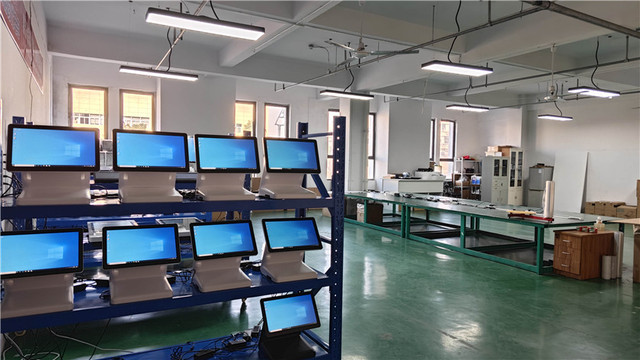
The global market for open source stock management systems is increasingly concentrated among specialized software development firms in Asia, particularly in China and Vietnam. These regions host a growing number of tech-driven suppliers offering scalable inventory and POS solutions tailored for retail, restaurant, and e-commerce operations. Key clusters in Nanjing, Guangzhou, and Hanoi benefit from deep pools of software engineering talent and proximity to hardware manufacturing ecosystems, enabling integrated software-hardware deployments.
Suppliers in these hubs leverage agile development frameworks to deliver customizable, cloud-based inventory platforms with modular features such as real-time synchronization, barcode integration, and multi-channel sales reporting. The co-location of software developers and peripheral device manufacturers (e.g., scanners, cash drawers) allows for rapid prototyping and end-to-end system validation. Buyers gain access to cost-efficient development cycles, with average monthly output ranging from 10 to 250+ software licenses per supplier, depending on scale. Lead times for deployment typically range from 7 to 30 days post-customization, with many providers supporting API integrations and SaaS delivery models.
How to Evaluate Open Source Stock Management System Suppliers?
Procurement decisions should be guided by structured assessment criteria focused on technical capability, service reliability, and transaction security:
Development & Customization Capacity
Verify the supplier’s ability to modify source code, integrate third-party tools (e.g., payment gateways, accounting software), and support cross-platform deployment (Windows, mobile, web). Prioritize vendors advertising customization options for UI branding, report generation, and hardware compatibility. Suppliers listing over 200 software products—such as STEPMEDIA SOFTWARE VIET NAM COMPANY LIMITED and HINDUSTANSOFT CORPORATION—demonstrate established development pipelines and domain specialization.
Operational Performance Metrics
Assess responsiveness and fulfillment consistency using verifiable data points:
- On-time delivery rate ≥94% indicates reliable project management
- Average response time ≤2 hours reflects strong client support infrastructure
- Reorder rates above 30% suggest high customer satisfaction and product stability
Cross-reference these metrics with online revenue indicators where available to gauge commercial traction.
Transaction and Quality Assurance
Require clear documentation of testing protocols, version control practices, and post-deployment support. While formal certifications like ISO 9001 are not universally listed, evaluate process maturity through direct inquiry into QA workflows. Use secure payment mechanisms and milestone-based releases for custom projects. Conduct functional testing on demo environments before final acceptance, validating core operations such as stock reconciliation, user role permissions, and offline mode resilience.
What Are the Leading Open Source Stock Management System Suppliers?
| Company Name | Location | Main Products (Listings) | Price Range (Min Order) | On-Time Delivery | Avg. Response | Online Revenue | Reorder Rate |
|---|---|---|---|---|---|---|---|
| Nanjing Shangchao Shidai Electronics Co., Ltd. | China | Cash Drawer POS, Cloud Sync, Restaurant Management | $16–$80 (1–15 units) | 99% | ≤2h | US $630,000+ | 19% |
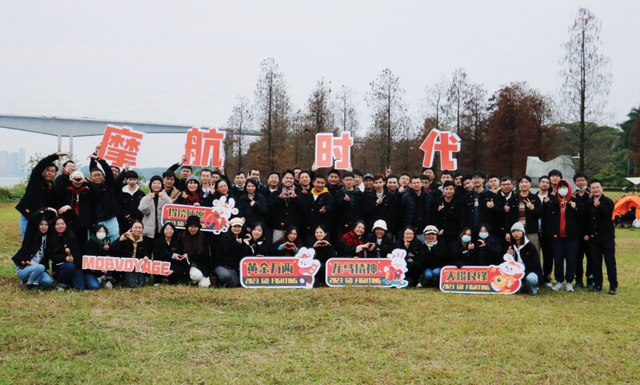
| Guangzhou Mohang Times Info Tech Limited | China | Mobile POS (50), Cash Register POS (39) | $25–$65 (2 sets) | 94% | ≤10h | US $10,000+ | 37% |
| STEPMEDIA SOFTWARE VIET NAM COMPANY LIMITED | Vietnam | Software (250) | $5,000–$50,000 (1 unit) | - | ≤2h | - | - |
| HINDUSTANSOFT CORPORATION | India | Software (893) | $500–$1,800 (1 unit) | - | ≤1h | - | - |
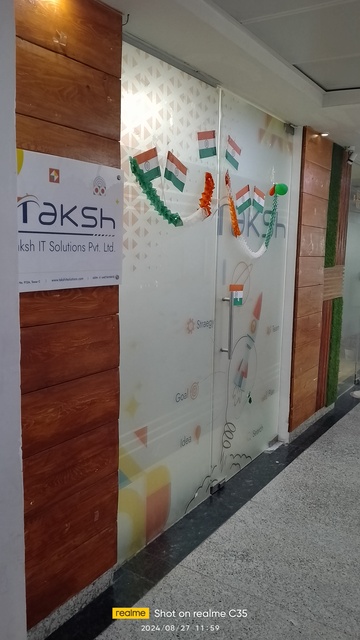
| TAKSH IT SOLUTIONS PRIVATE LIMITED | India | AI Apps, Web & Desktop Applications | $4,500–$6,000 (1 unit) | 75% | ≤1h | US $2,000+ | - |
Performance Analysis
Chinese suppliers like Nanjing Shangchao Shidai and Guangzhou Mohang offer competitive pricing and strong operational metrics, with on-time delivery exceeding 94% and reorder rates indicating repeat business. Nanjing-based Nanjing Shangchao stands out with a 99% delivery rate and high online revenue, suggesting robust fulfillment infrastructure. Vietnamese and Indian firms target enterprise clients with higher-priced, fully customized solutions—STEPMEDIA and HINDUSTANSOFT list minimum orders from $5,000 and $500 respectively, reflecting focus on tailored deployments. TAKSH IT SOLUTIONS, while showing lower on-time performance (75%), offers AI and API integration capabilities relevant for advanced automation needs. Buyers seeking rapid deployment at low MOQs should prioritize sub-$100 offerings with cloud functionality; those requiring deep customization should engage suppliers with proven software portfolios and dedicated R&D capacity.
FAQs
How to verify open source stock management system reliability?
Request access to live demos or trial versions to test usability, reporting accuracy, and sync performance. Validate claims of "open source" by confirming whether source code is modifiable and whether licensing permits redistribution. Review customer testimonials focusing on uptime, update frequency, and support responsiveness.
What is the typical lead time for customized software?
Standard configurations deploy within 7–14 days. Fully customized systems with unique workflows, integrations, or UI branding require 3–6 weeks, depending on complexity. Suppliers with documented development sprints may provide beta builds within 10 business days.
Can these systems integrate with existing hardware?
Yes, most suppliers support integration with common POS peripherals including barcode scanners, thermal printers, and cash drawers. Confirm compatibility with specific models during pre-sales consultation, especially for legacy or region-specific devices.
Do suppliers offer post-deployment support?
Support policies vary. Some include 3–12 months of free updates and troubleshooting, while others charge separately for maintenance packages. Clarify SLAs for bug fixes, server hosting, and version upgrades prior to contract signing.
What are common customization options?
Available modifications include logo and brand color embedding, custom report templates, user permission tiers, multi-warehouse tracking, and language localization. High-end vendors also support ERP integration, IoT-enabled inventory sensors, and AI-driven demand forecasting modules.





